Last updated November 22, 2026
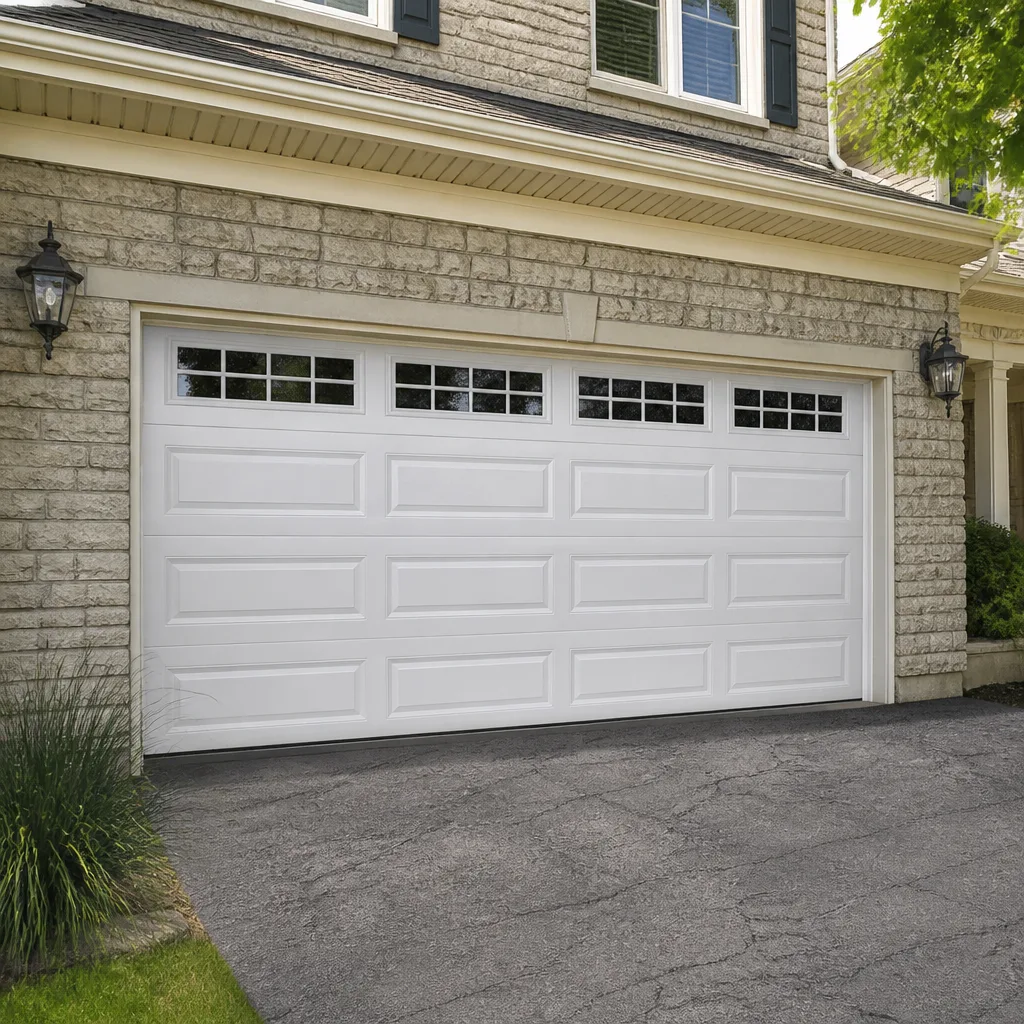 Raised-panel steel
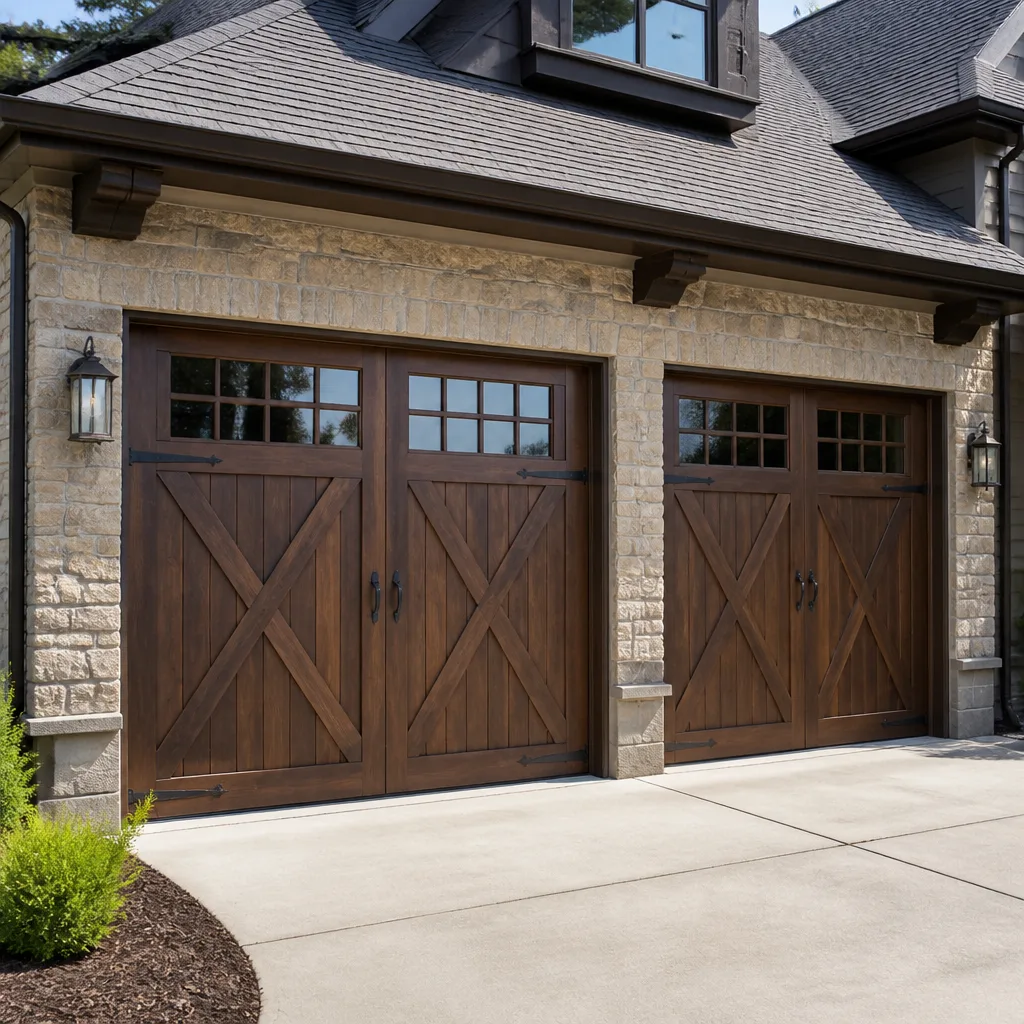 Carriage house
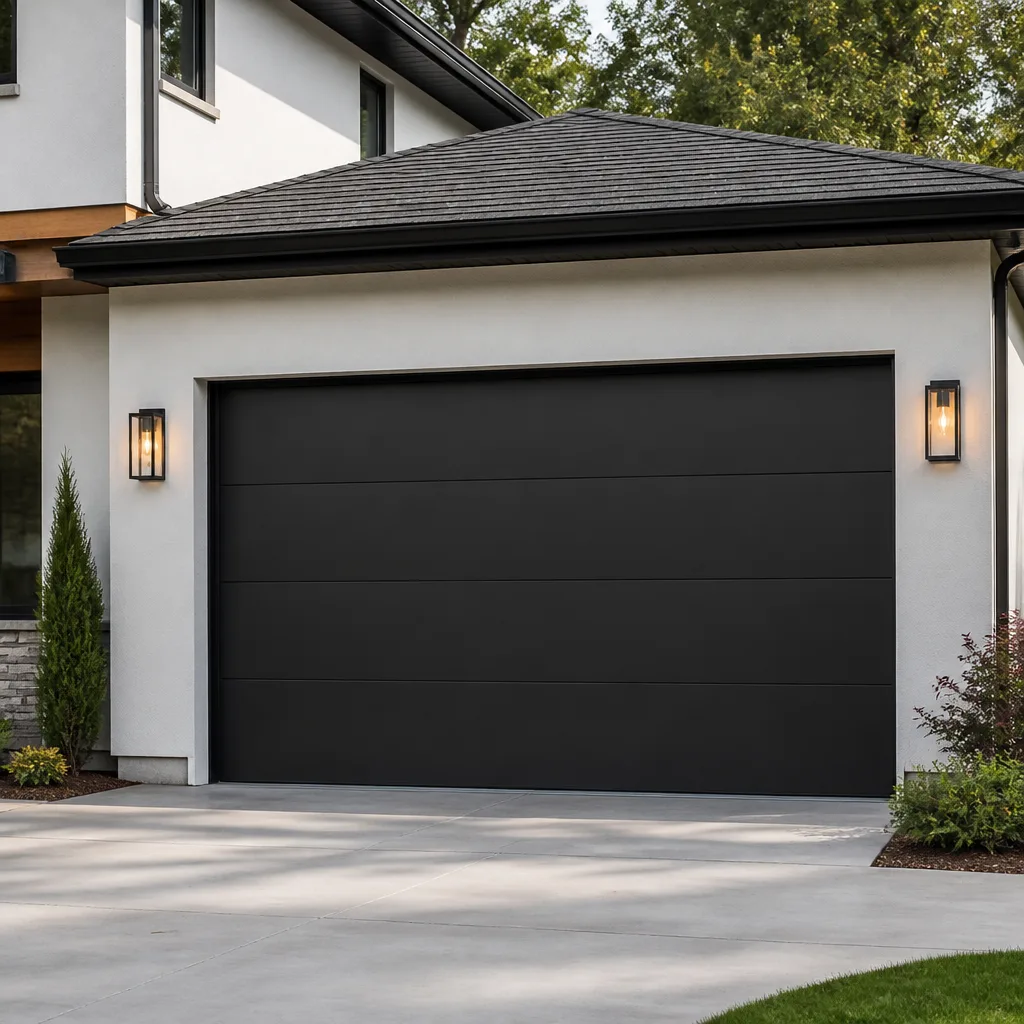 Modern flush
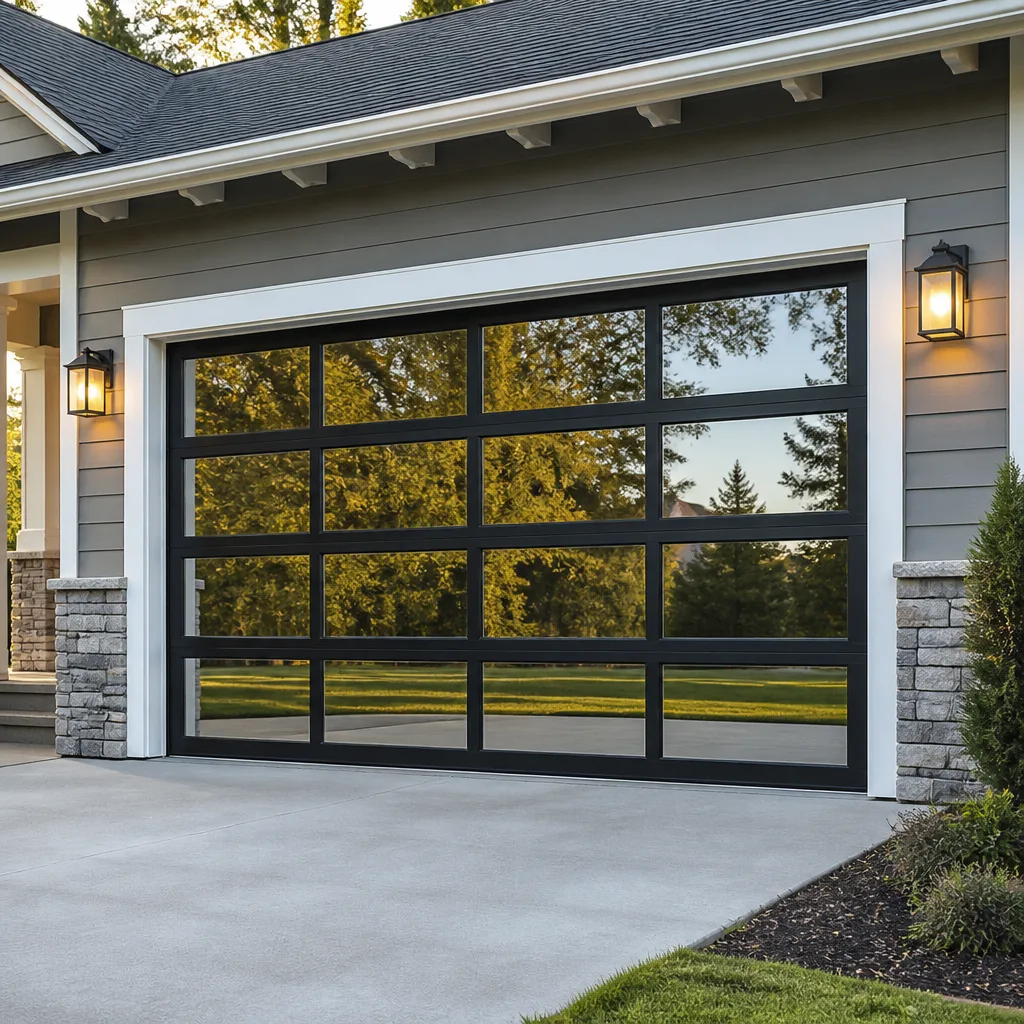 Full-view glass
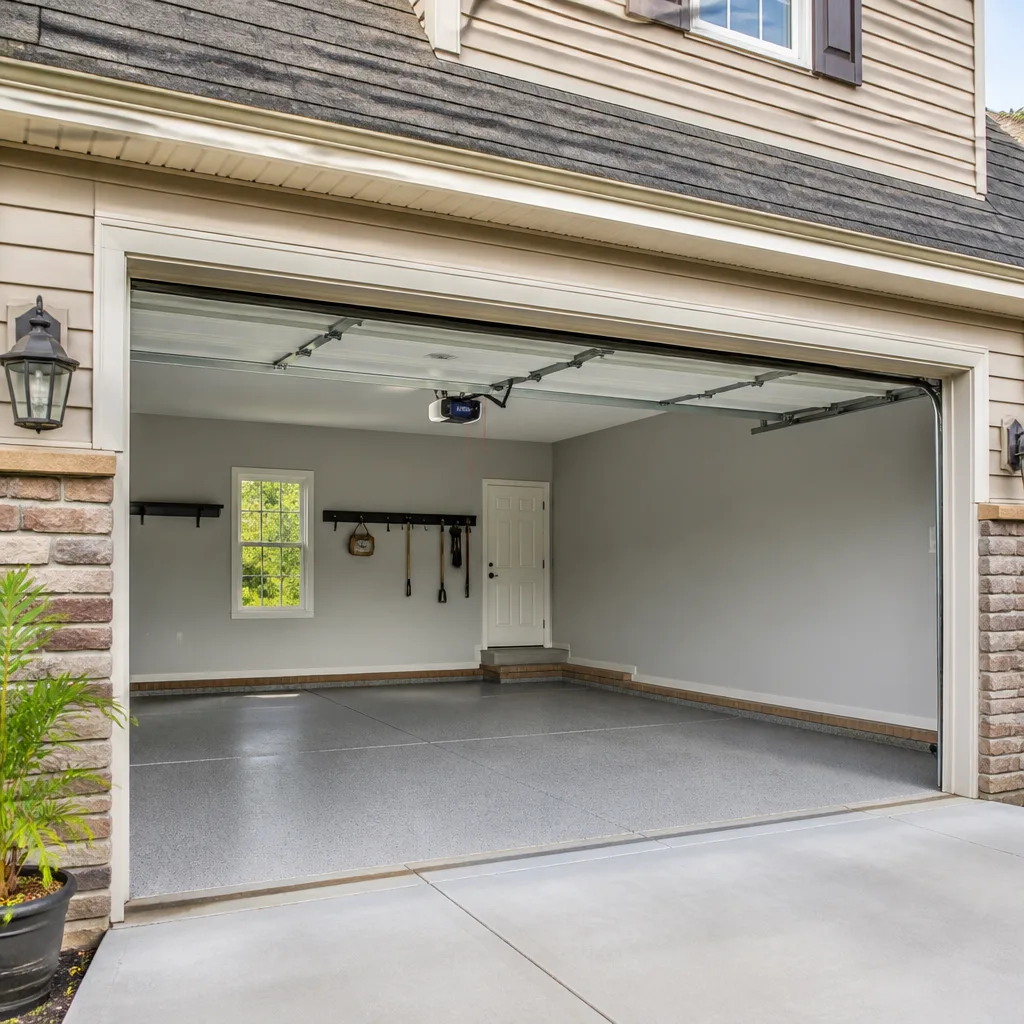 LiftMaster openers
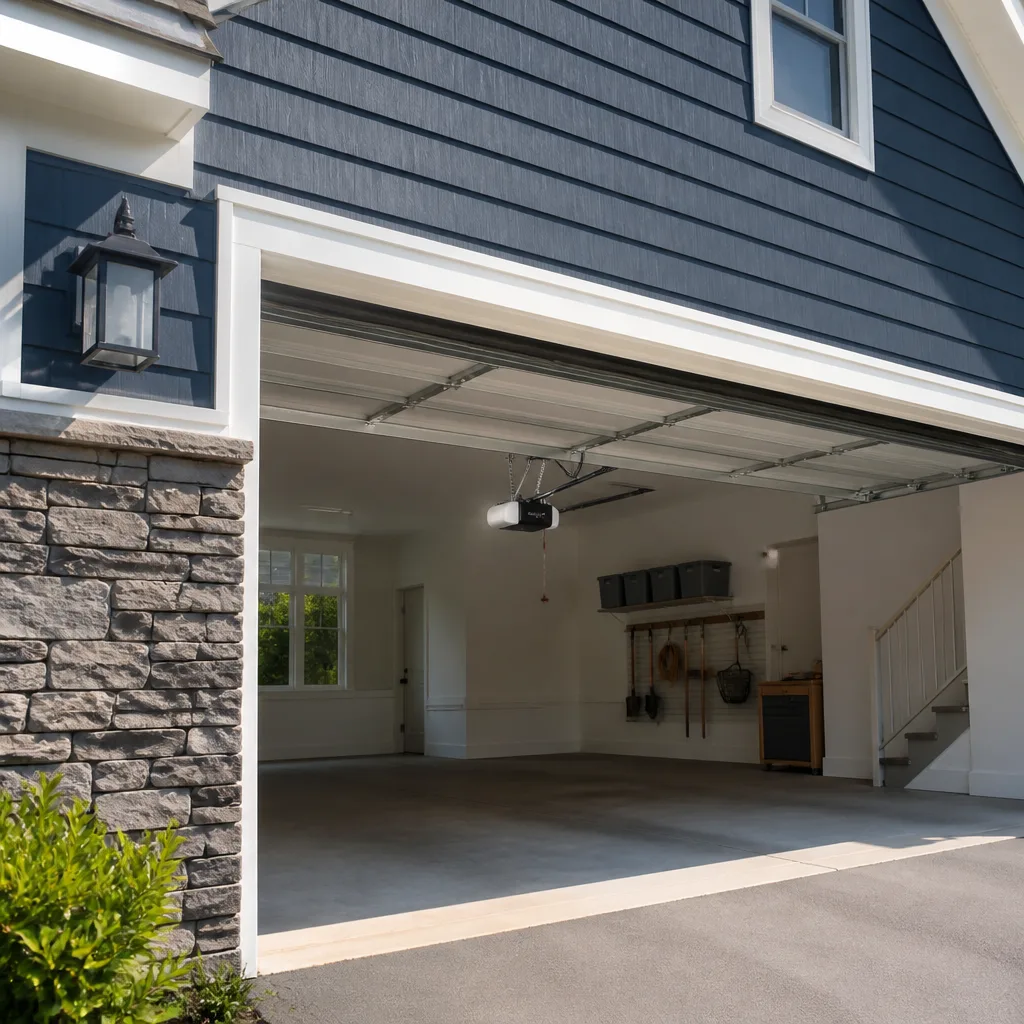 Chamberlain openers
Full 25-point door and opener safety check with every visit - springs, cables, rollers, tracks, and your LiftMaster or Chamberlain opener included
You get a price before we start. It does not change when the pro arrives.
Get your free estimateThe Complete Guide to Garage Doors in Middletown
Your garage door moves more times per day than your front door, back door, and all your windows combined. It’s also the one piece of equipment on your house that most people never think about until it stops working. That’s the strange contradiction of garage doors: the hardest-working component gets the least attention, and the repair bill always seems to arrive at the worst moment. This guide changes that. We’re going to walk through how Middletown’s climate, housing stock, and daily driving habits shape the life of a garage door, what to check before something fails, and how to read your current door like a technician would. You’ll finish knowing what matters, what’s marketing noise, and when to call in help.
Quick Answer
A garage door in Middletown typically lasts 15 to 30 years depending on material, and the two things that shorten its life fastest are neglected lubrication and worn springs, not the panels themselves. If your door is noisy, slow, or uneven, the problem is usually in the hardware (rollers, hinges, springs, opener) rather than the door body, and that’s often fixable well before replacement makes sense. Regular inspection twice a year, plus knowing your door’s actual age and brand, will save you from most emergency calls.
Styles & brands we work with
- Raised-panel steel
- Carriage house
- Modern flush
- Full-view glass
- LiftMaster openers
- Chamberlain openers
Table of Contents
- How Middletown’s Climate Zones Affect Your Garage Door
- Choosing a Material: Steel, Wood Composite, or Fiberglass
- The Real Lifecycle Cost of a Garage Door in Connecticut
- What Older Middletown Housing Stock Gets Wrong
- A Door That Works vs. a Door That’s Safe
- How to Read Your Door’s Age and Condition
- A Sensible Maintenance Schedule for Middletown Homes
- Repair or Replace? A Decision Framework
- Common Mistakes to Avoid
- When to Call a Professional
How Middletown’s Climate Zones Affect Your Garage Door
Middletown sits in a spot where two very different microclimates meet, and your door feels the difference. The Connecticut River corridor running through the center of town carries more humidity and holds damp air longer than the higher ground out toward the western hills. If your garage sits low, near the river or on a shaded lot, you’re living with a different set of stressors than a neighbor up on a hillside in Millbrook or Westfield.
Here’s what that means in practice. Along the river valley, humidity is the long-term enemy. Steel panels are protected by their finish, but the bottom section and the hardware closest to the floor get the most moisture exposure, and that’s where you’ll see surface rust or paint blistering first. Wood composite doors can absorb moisture into their edges if the factory seal fails. Fiberglass handles damp well but can chalk or fade on a sunny, south-facing wall.
Up the hills, particularly on sloped driveways, freeze-thaw is the bigger story. Water runs down a graded driveway, finds the lowest point at the door’s threshold, and freezes overnight. That ice stresses the bottom seal, works under the weatherstripping, and can bind the door as it tries to close. The slope itself also loads the track differently, especially on a driveway that pitches hard. Doors on steep grades need their tracks, rollers, and opener force settings looked at more carefully than a flat-driveway door ever does.
A quick reality check on the two zones in Middletown:
- River corridor and low lots: moisture and humidity dominate. Watch the bottom panel, hinges, and any bare metal hardware. Lubrication matters more here than anywhere else in town.
- Inland hillside and elevated lots (Millbrook, Westfield, the western ridge roads): freeze-thaw and slope dominate. Watch the bottom seal, the weatherstripping, and the opener’s force and travel settings.
- Sun-exposed south and west-facing garages: fade and heat stress on the finish, plus expansion at the panel seams.
- Deeply shaded or tree-covered lots: more moss and moisture near the base, slower drying after rain.
None of this requires a special door. It requires matching the door and the maintenance to the specific spot the garage sits on in Middletown, which is exactly what a generic “best door for Connecticut” article will never tell you.
Choosing a Material: Steel, Wood Composite, or Fiberglass
Most homeowner guides compare materials on price and looks. That’s the wrong comparison, because a door that fits your climate and daily use will outlast and outperform a cheaper door that doesn’t. Here’s how the three common residential materials actually behave in Middletown.
Steel
Steel is the most common choice for good reason. It’s the most forgiving across both Middletown climate zones. A properly finished steel door resists moisture on the river side, handles freeze-thaw on the hills, and reflects sunlight in summer. The weak point is the finish. Once a scratch breaks through to bare steel, it needs touching up or rust starts. Steel doors also come in insulated and non-insulated versions, and for an attached garage under living space, insulation matters more than the material itself.
Wood Composite
Wood composite gives you the look of real wood with more weather resistance. In Middletown’s river-valley humidity, it can still take on moisture at the edges if the factory seal fails, so the bottom and side edges deserve a look every year. On a hillside lot with heavy freeze-thaw, an ice dam at the threshold is the thing to watch. Wood composite suits homeowners prioritizing curb appeal, and it holds up well when the edges stay sealed.
Fiberglass
Fiberglass handles moisture beautifully and won’t rust. It can chalk or fade over years on a hot, sun-facing wall. Fiberglass works well on shaded or north-facing garages where UV exposure is lower, and on low, damp garages near the river where rust is the main threat. Its panels can crack under impact, so a driveway where kids ride bikes or a lawnmower gets close is worth a second thought.
What to weigh beyond the label
- Insulation: for an attached garage under bedrooms, insulated panels reduce heat loss and noise. Detached garages may not need it.
- Bottom seal and weatherstripping: these matter more than material in a freeze-thaw zone. A cheap door with a great seal outperforms an expensive door with a bad one.
- Finish quality: river-side homes need the best factory finish available, because moisture finds every weak spot.
- Wind rating: not a Middletown-specific worry, but worth knowing your door will survive a strong gust on an exposed ridge lot.
The honest answer is that all three materials work in Middletown when matched to the site. A steel door with a strong bottom seal on a River Road-adjacent lot will beat a fiberglass door with a cheap seal every single time.
The Real Lifecycle Cost of a Garage Door in Connecticut
Purchase price tells you almost nothing about what an insulated or non-insulated garage door actually costs you. The honest number is purchase plus maintenance plus repairs plus replacement, spread over the door’s life. When we walk a homeowner through that math, the ranking of materials shifts.
Steel tends to win on net lifecycle cost for most Middletown homes. Lower purchase price, simple repairs, and good weather resistance add up. Wood composite runs higher on purchase and needs a bit more edge maintenance, but holds up well and looks better to most people. Fiberglass sits in the middle on price and has the fewest rust concerns, though UV fade on sun-facing garages can mean refinishing or replaced panels down the line.
Where homeowners overspend is on the small stuff. Here’s a typical cost picture for common garage door work in the Middletown market, and every number below is an estimate. Your written quote is the price that applies:
| Item | Typical estimated range |
|---|---|
| Single garage door spring replacement | $180 – $340 |
| Matched spring pair (replaced together) | About twice the single-spring range |
| Opener repair (repair of an existing unit) | $120 – $300 |
| New door installation (standard single door, uninsulated) | $900 – $1,800 |
| New insulated door installation | $1,500 – $3,000+ |
Two things to internalize. First, a spring price covers one spring. Springs are usually replaced in matched pairs because they wear at the same rate, so a pair costs roughly double the single-spring range, not the same as it. Second, every number on this page is an estimate, not a promise. We put the exact number in a written quote before any work begins, and that quote is what you pay.
Now the part competitors skip: the ongoing cost. A door that gets lubricated twice a year and inspected will typically avoid the emergency repairs that drive the bigger bills. A door that gets nothing will need its springs, rollers, and opener sooner than a maintained one. The purchase price is the visible cost. The maintenance habit is what determines whether Middletown’s freeze-thaw and humidity turn a cheap door into an expensive one.
What Older Middletown Housing Stock Gets Wrong
Middletown has a lot of homes from the 1960s through the 1980s, and many of them have attached garages built to dimensions that don’t match what’s sold off the shelf today. That matters the moment you need a new door, a new opener, or new tracks.
The most common surprise: non-standard rough openings. A garage built in that era might measure a few inches differently than the standard widths and heights of today. That’s not a crisis, but it does mean a door that fits perfectly in a new build won’t drop into an older Middletown garage without checking first. A free measure before you buy is what catches this, and skipping the measure is how homeowners end up with a door that doesn’t quite fit and a price that moves after the fact.
The second surprise is aging hardware that’s reached the end of its life without being replaced. Rollers, hinges, and cables on a 1970s garage may have never been serviced. The door still opens and closes, so nobody thinks about it, but the hardware is one step from failing. We’ve seen plenty of Middletown garages where the original hardware is doing all the work and the homeowner has no idea.
The third surprise is the opener. Many older attached garages have an opener from the same decade as the house, and while some of those older units are reliable, others have force settings and safety sensors that were calibrated for a different era. A Craftsman or Genie unit from that period can be perfectly serviceable, but it needs a real look rather than a guess.
Finally, older Middletown homes often have garages that were finished or insulated years after they were built. That insulation can hide damage behind it, and the door, tracks, and opener may have been sized for an original, uninsulated door. If you’re upgrading, the door weight matters, and the opener’s force setting has to match. This is where a specialist who works on the actual hardware in front of them, rather than a generalist guessing, makes the difference.
A Door That Works vs. a Door That’s Safe
This is the section we wish every Middletown homeowner would read. A garage door can open and close perfectly for years and still be one failure away from a serious problem. “It works” and “it’s safe” are not the same thing, and the gap between them is where accidents live.
The most dangerous components are the springs and cables. A torsion or extension spring under tension stores a lot of energy. When it lets go, it lets go violently, and a frayed cable can whip. That’s why spring work isn’t a homeowner job, even for a confident DIYer. The energy involved is not something to test with a wrench. We treat spring and cable inspection as a safety check, not a repair convenience, and we recommend a trained professional handle anything involving them.
Here are the specific failure modes homeowners overlook:
- A spring that looks fine but is losing tension. It hasn’t snapped yet, but it’s carrying less load, which pushes the opener to compensate. That stress reappears as a failing opener.
- A frayed or slack cable. Easy to miss, and dangerous when it fails. Cables belong to a trained professional.
- Untested safety reverse. The door should reverse when it meets an obstruction at the bottom. If you’ve never tested it, you don’t know it works.
- Worn rollers. A noisy or grinding roller can be a sign of a bent track or a heavy door, not just age.
- Uneven travel. A door that closes unevenly or stops halfway is telling you something in the system is out of balance.
- A loose or worn bottom seal. Not dangerous, but it lets moisture and cold into an attached garage and stresses the bottom section.
Our advice is simple. If your door is noisy, uneven, or slow, get it looked at before you assume it’s fine. And never stand under a door with a suspect spring or a damaged cable. That’s the one rule we repeat to every Middletown homeowner we talk to.
How to Read Your Door’s Age and Condition
Homeowners judge a garage door by appearance. Technicians read it by hardware. You can learn to read yours too, and it’s the fastest way to know what’s coming.
Start with the hardware, not the paint
Open the door and look at the hinges, rollers, and the spring above the door. Original hardware often has a manufacturer’s mark, a serial number, or a date stamp. The style of the hinge and the roller tells a story too. Old steady roller and hinge designs from a certain era give you a rough sense of age. LiftMaster and Chamberlain opener labels often carry a manufacture date, which is a reliable age signal for the whole system.
Read the spring
The spring’s condition is the most important age indicator on the door. Torsion springs with a visible paint code tell a technician the load they were rated for. Spring color codes help identify them. If a spring has the same cycle rating as the day it was installed, it’s doing its job. If it’s cycling a door that’s heavier than it can handle, it’s on borrowed time.
Read the finish
Rust at the bottom section, paint blistering along the panel seams, and chalked finish are signs the door has been exposed to a lot of moisture or UV. On the river side of Middletown, that’s the normal pattern. On a hill-side garage, the pattern shows up as ice damage at the bottom seal and wear at the threshold instead.
Read the tracks
Look down the track from one end to the other. A healthy track is straight. Bent or misaligned tracks usually trace back to a door that was struck, or to hardware that’s been working against an out-of-balance door for a long time. If you can see a bend, the track needs professional attention, not a homeowner tweak.
Read the opener
Check the model label on the opener unit itself. Craftsman and Raynor units have model numbers that reveal the era and drive type. A belt-drive unit from a quiet era is different from a chain-drive unit, and the force settings and safety sensors should match the door’s weight. If the opener is straining or resetting on its own, the opener may be telling you the door’s problem before the door does.
A quick inspection with a flashlight, twice a year, will tell you most of what a technician sees in the first five minutes. It’s the cheapest upkeep there is.
A Sensible Maintenance Schedule for Middletown Homes
You don’t need to remember a long list. You need two habits and a few checks a season. Here’s a maintenance routine that fits a Middletown home and its two climate zones.
- Twice a year, lubricate. A dry or silicone-based lubricant on rollers, hinges, and spring (not cables) quiets the door and eases the load. Fall and spring are ideal, before freeze and before the humid months.
- Test safety reverse every few months. Place a small object under the door as it closes. The door should reverse. If it doesn’t, the opener needs attention. Never test the reverse with a person or pet near the door.
- Look at the bottom seal before winter. Check for cracks, gaps, or ice damage. On a hillside driveway, a worn seal is the first thing freeze-thaw goes after.
- Run a hand along the tracks. Both tracks should feel straight. Any bend is a call to a professional.
- Listen once a month. A door that’s getting noisier, or a clunk on the way up, is telling you a roller, hinge, or spring is wearing. Note it and get it looked at before it becomes a failure.
- Look at the springs and cables. From a safe distance, on the floor, look for rust lines, fraying, or a slack cable. Do not touch them. If anything looks off, call.
- Clear the threshold. Level the ice and snow at the base of a sloped driveway door. That’s what protects the bottom section.
None of this takes more than a few minutes. The point isn’t perfection. It’s pattern recognition: you get to know your door’s normal, so that abnormal stands out.
Repair or Replace? A Decision Framework
Most homeowners ask “should I repair or replace” in the same breath, but the two questions are different. Repair addresses what’s broken now. Replace answers whether the door is at the end of its life. Here’s how we think through it.
Repair first when the door body is sound, the springs and opener are serviceable, and the problem is isolated: a broken spring, a bad roller, a failing opener, a bent track. That’s most of what we see in Middletown, and a well-timed repair keeps a good door working for years.
Consider replacement when several of these are true at once:
- The panels are structurally damaged, not just scuffed.
- The door is on its second or third set of springs and the opener is straining.
- You’re paying for repeated repairs in a short window.
- The door is significantly older than its expected lifespan and the finish has failed.
- You want insulation for an attached garage that’s never had it.
- You’re remodeling and want the look to match the house.
One warning on replacement: measure before you buy. An older Middletown garage may have a non-standard opening, and a door bought without a measure can be a headache. Installation is measured and scheduled, not a same-day emergency. A free measure and a written price is the right first step, and if it turns out the door just needs repair, we’ll tell you that too.
If you’re weighing a new door against a repair, our garage door repair service can often resolve the immediate problem and give you a roadmap for the replacement. There’s no pressure either way.
Common Mistakes to Avoid
- Skipping the annual look. A door that gets no inspection for years is the door that fails when you least want it. A few minutes twice a year is the single best habit.
- Treating a noisy door as normal. Noise means friction, and friction wears hardware. Quiet doors are quieter because they’re lubricated and in balance, not because the noise “went away.”
- Buying a new door without a measure. Older Middletown garages often have non-standard openings. A free measure before purchase prevents a fit problem and an unhappy surprise.
- Assuming a cheap spring is fine. Spring cycle ratings differ, and a cheaper spring can mean more frequent replacements. On a door you use every day, a spring’s rating is worth knowing.
- Ignoring the bottom seal. In a freeze-thaw zone, the seal at the base is what protects against ice and moisture. A small seal repair now is cheaper than a bottom panel repair later.
- Calling a general handyman for spring work. Springs are dangerous. Use a specialist who handles the actual hardware in front of them and knows the safety side of the job. Garage doors are all we do.
- Testing the reverse function incorrectly. Never use a person or a pet to test the safety reverse. Use an object. A door that fails the reverse test needs opener attention before anything else.
When to Call a Professional
Some repairs are homeowner-friendly and some aren’t. You should call a professional when the problem involves springs, cables, tracks, or the opener’s safety reverse. You should call when the door is uneven, grinding, or stops halfway. You should call if the door has been struck and the track looks bent. And you should call if the door has been sitting for years without a look, because a door that hasn’t been serviced can be functional and unsafe at the same time.
For anything involving springs or cables, do not attempt to diagnose or adjust them yourself. The stored energy is real and the risk is not worth it. If you’re in Middletown and you suspect a spring or cable issue, call us and we’ll talk through what we’re seeing and what it takes to make it right.
Bramley Garage Door Repair offers free estimates in Middletown. We work on the eight major brands of residential doors and openers, so the hardware in your garage is the hardware we already know. Call (877) 492-2037 and we’ll get you a written price.
See the difference
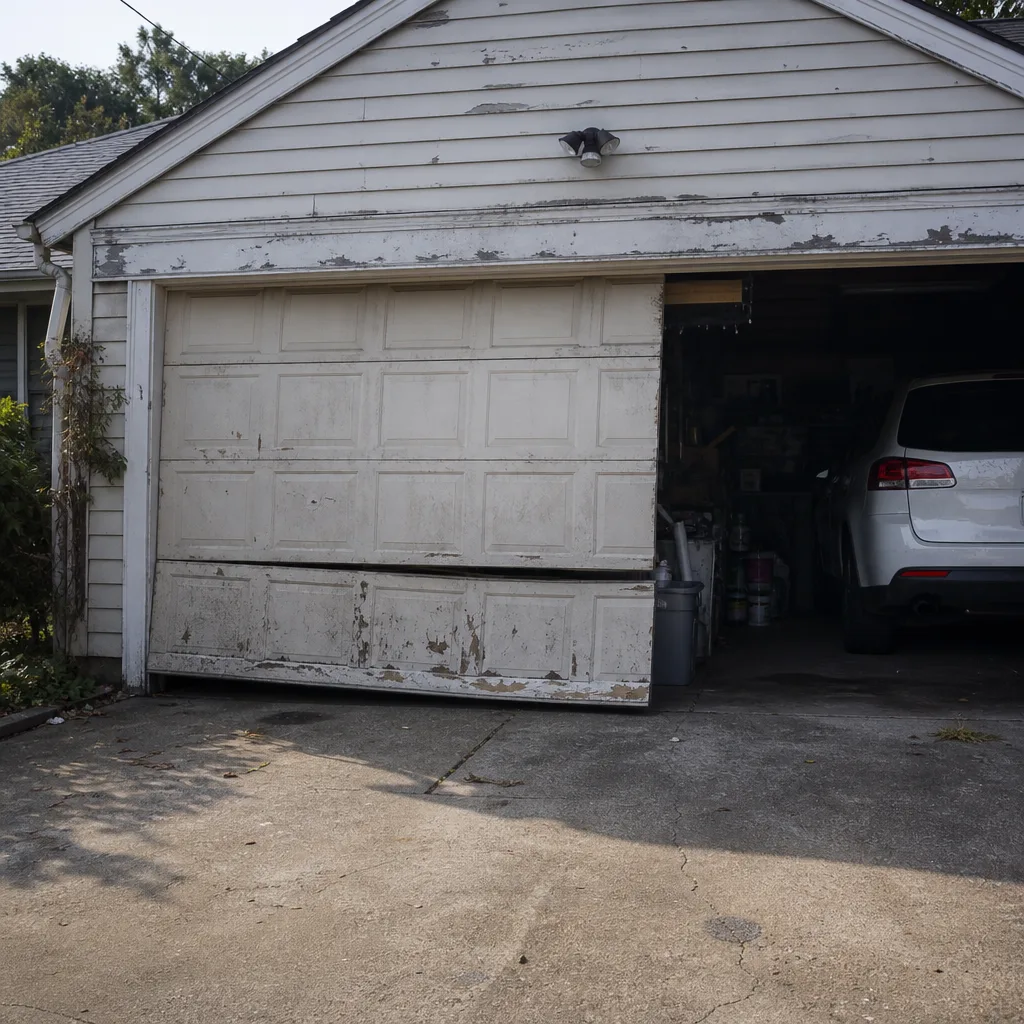 Before
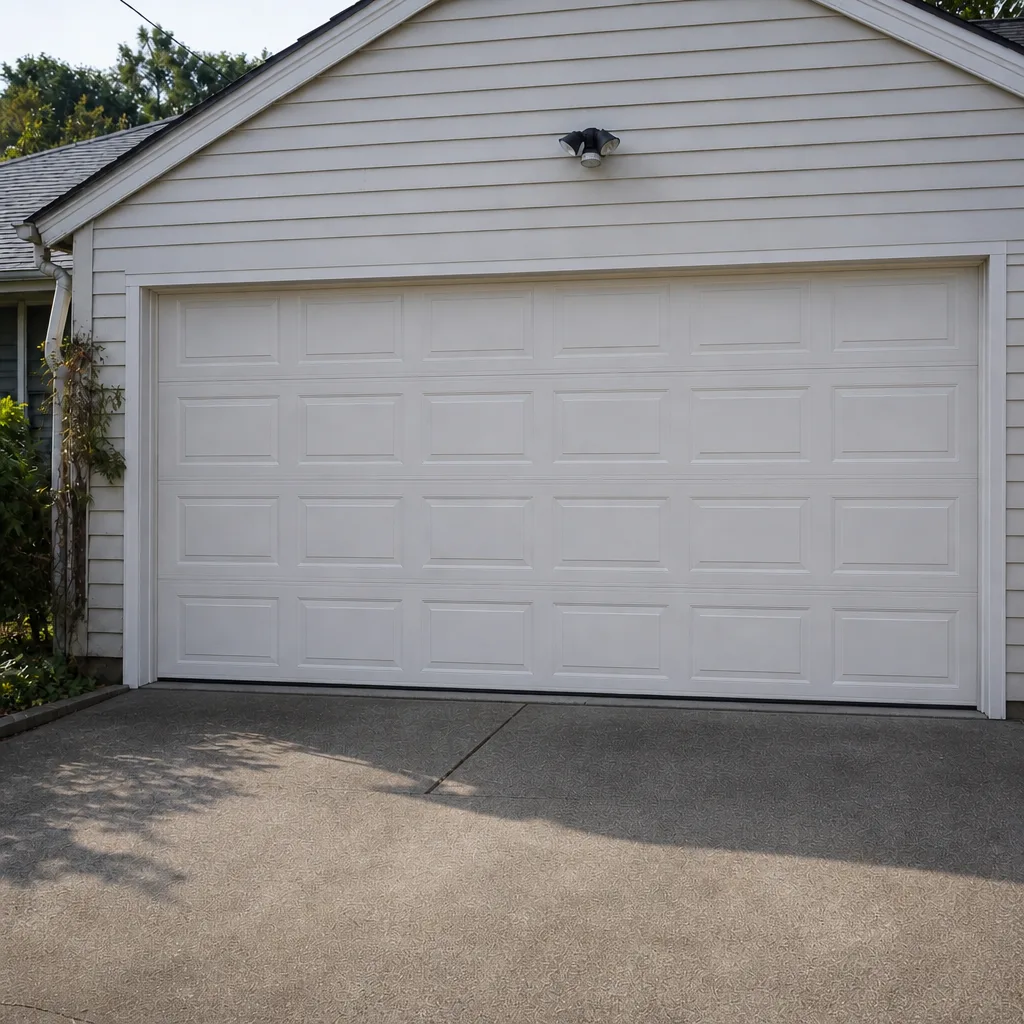 After
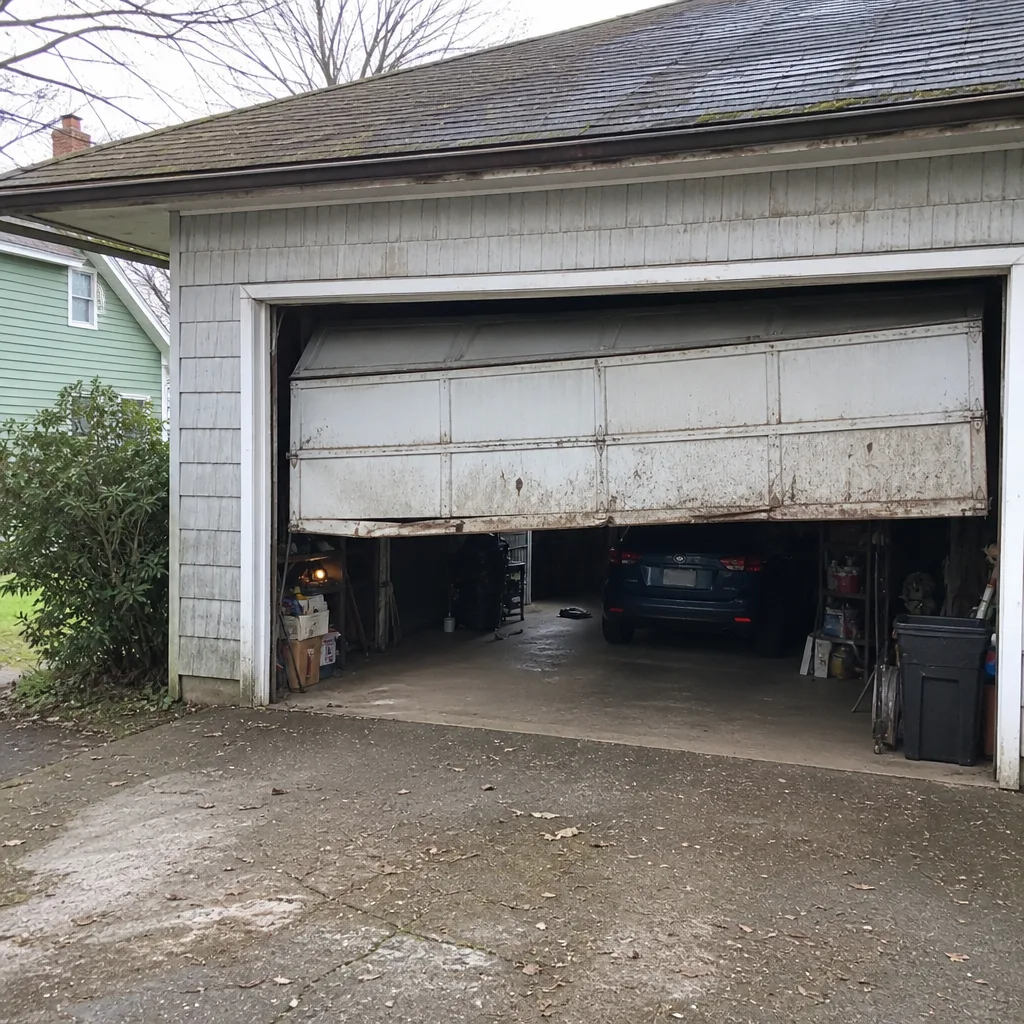 Before
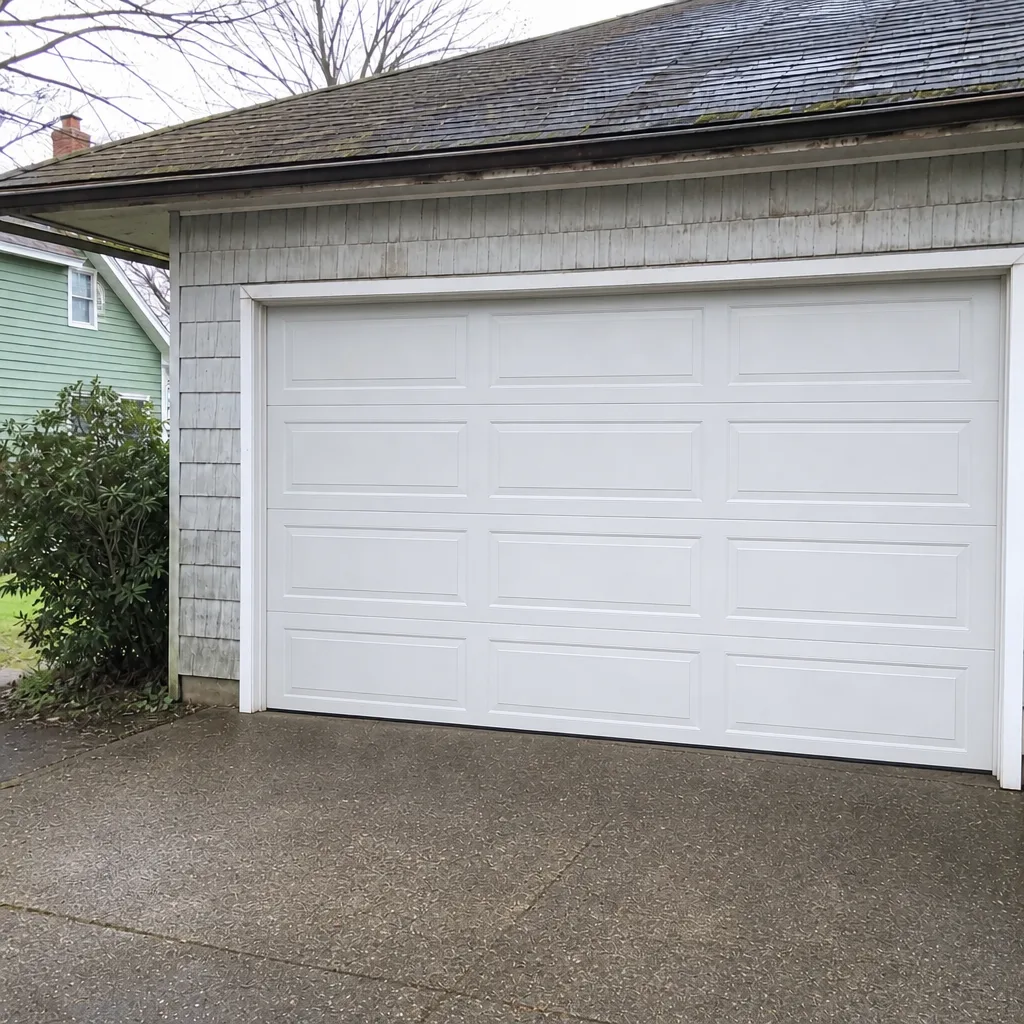 After
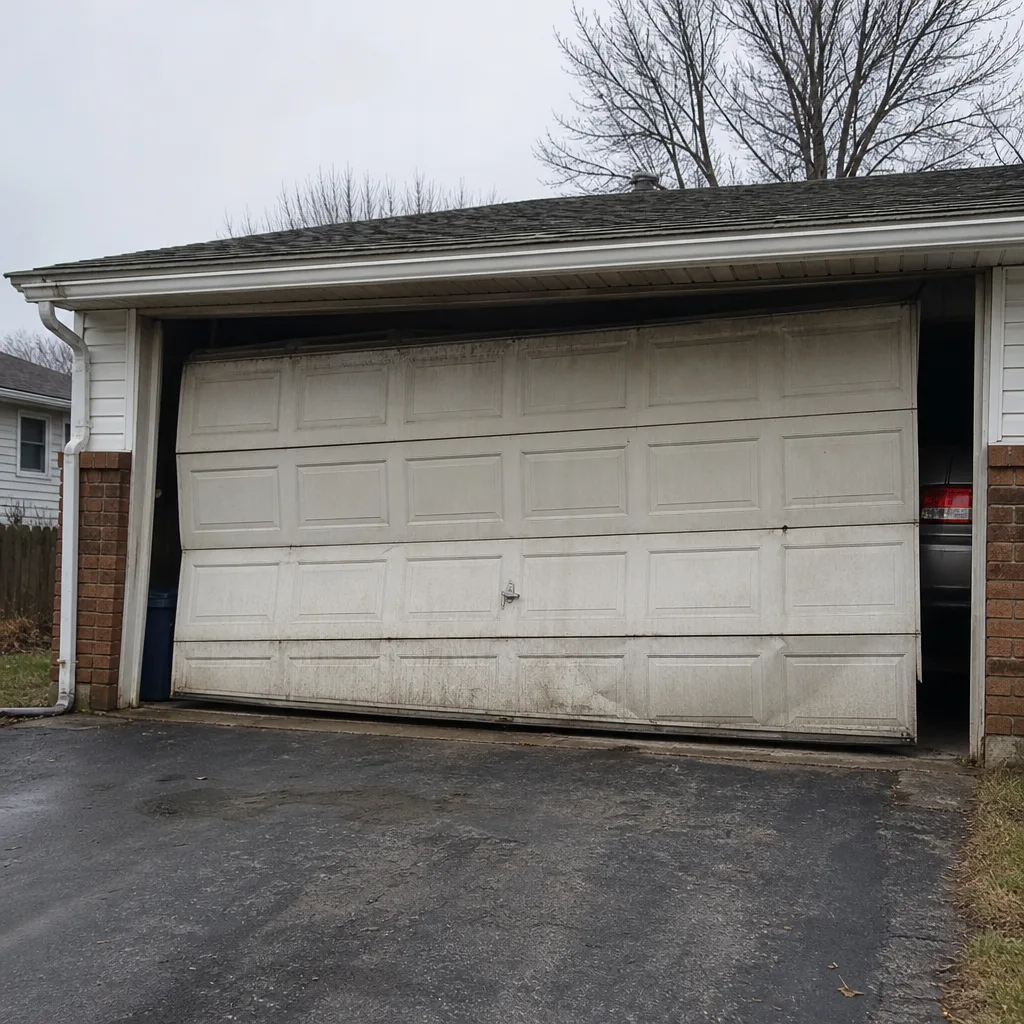 Before
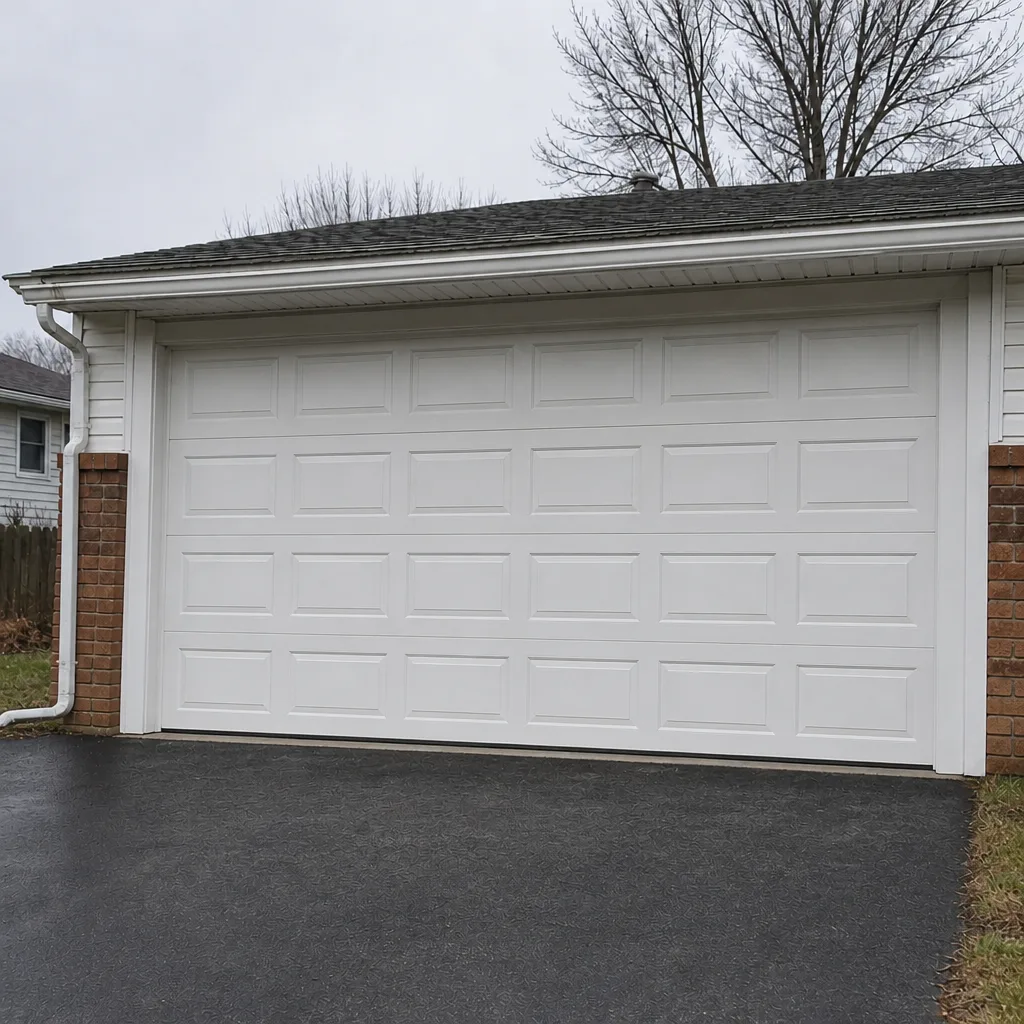 After
Frequently Asked Questions
A garage door in Middletown typically lasts 15 to 30 years with proper maintenance, and the range depends mostly on material and upkeep. Steel doors that get lubricated twice a year regularly land at the top of that range. Doors near the river corridor, which see more humidity, tend to need bottom-seal and hardware attention sooner than hillside doors. Lifespan is less about a single number and more about whether the door gets looked at.
Torsion springs sit above the door and wind along a bar, while extension springs run alongside the tracks. Both store enough energy to be dangerous when they fail, which is why spring work should always go to a trained professional. The key difference for homeowners is that torsion springs are typically matched pairs and are replaced together, while extension springs also carry safety concerns. Our garage door spring repair service handles both types and treats the safety check as part of the job. If your spring looks fine but the door feels heavier than usual, that’s a reason to call, not to wait.
The clearest signs are a door that reverses on its own, an opener that strains, or a click but no movement. A Craftsman or LiftMaster unit that resets itself or trips the safety sensor is telling you to check the door’s balance before replacing the opener. Our garage door opener repair service covers the major drive types and smart-home-compatible units across brands. Call (877) 492-2037 and we’ll tell you whether the opener is the problem or something else is.
Many repairs can be handled same day, especially spring and opener issues and doors that have come off their track. Installation and replacement are measured and scheduled, so those are planned visits rather than same-day calls. If your door is blocking you in or leaving your garage exposed, call (877) 492-2037 and we’ll talk through the fastest path. Estimates are free, and the price is agreed before we start.
The written quote is the price. We inspect, we tell you what the job involves, and you get a number in writing before any work starts. If we find something extra during the job that changes the scope, we stop and talk to you before doing it. There’s no invoice surprise on our end. Call (877) 492-2037 for a free estimate and a straight answer.
The local professional who arrives is state-licensed and insured as Connecticut requires for this work. Our technicians have up to 11 years of experience, and they work across the eight major brands of residential garage doors and openers, so the actual hardware in your garage is familiar ground. Call (877) 492-2037 with any questions about the job or the people coming to your home.
The Bottom Line
A garage door is a machine, not a fixture, and it rewards the same things every machine does: regular attention, the right material for its spot, and the right person when something major goes wrong. Middletown’s two climate zones shape what a door needs. The river side wants moisture and humidity management; the hillside wants freeze-thaw and slope attention. Steel, wood composite, and fiberglass each work when matched to the site. Lifecycle cost beats purchase price every time, and reading your door’s hardware tells you more than its paint. Above all, treat the springs and cables as the safety-critical parts they are, and call a specialist when they come into question. Bramley Garage Door Repair is here when you need us, and we’ll always give you the straight answer before the invoice.
Call (877) 492-2037 for a free estimate on your Middletown garage door, or to talk through your Bramley Garage Door Repair options.
Written by the team at Bramley Garage Door Repair.