Last updated November 22, 2026
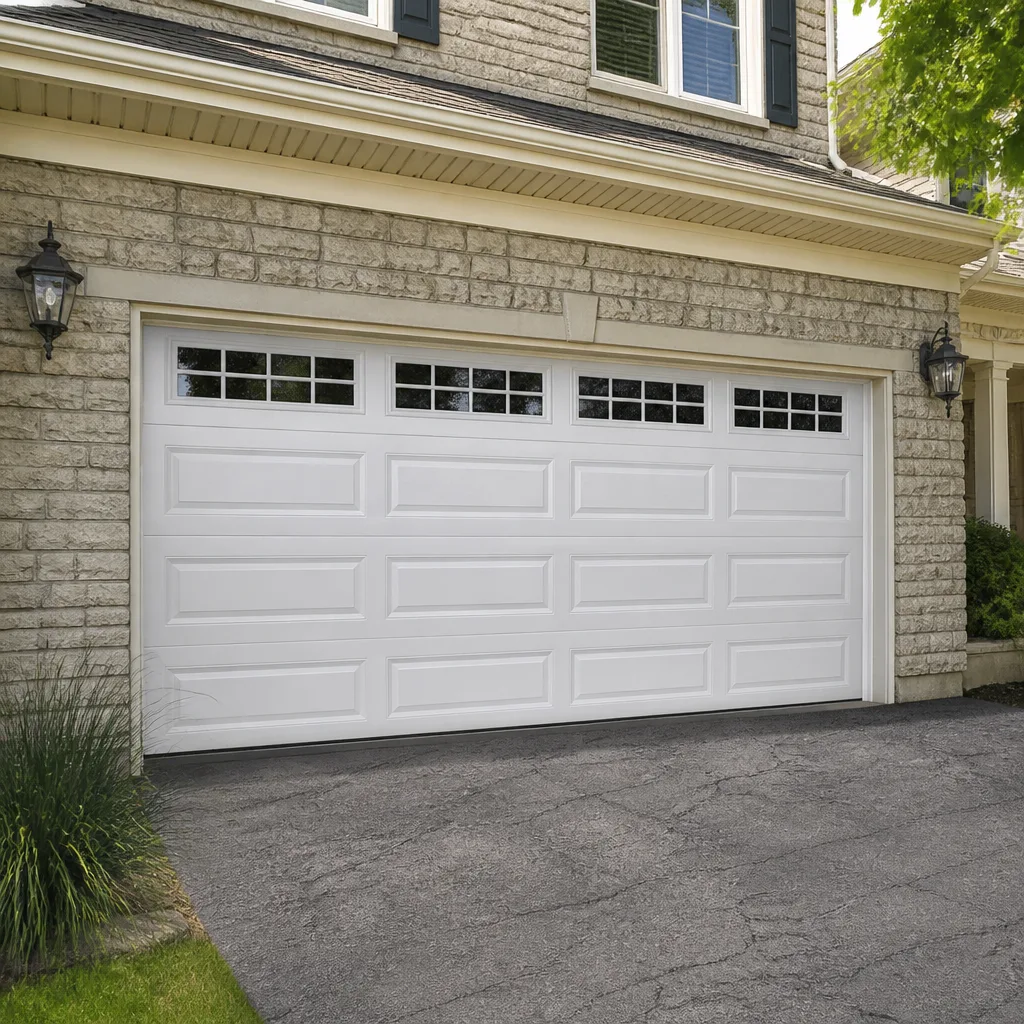 Raised-panel steel
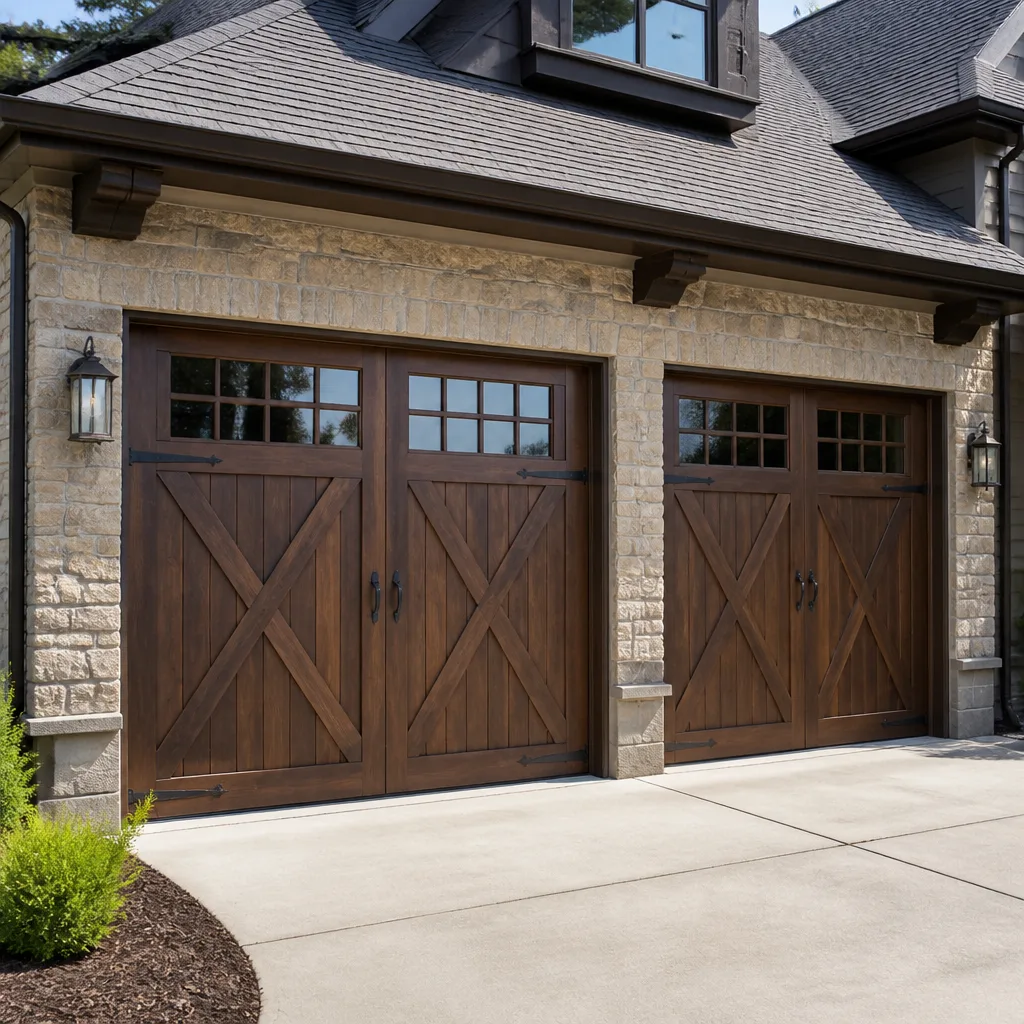 Carriage house
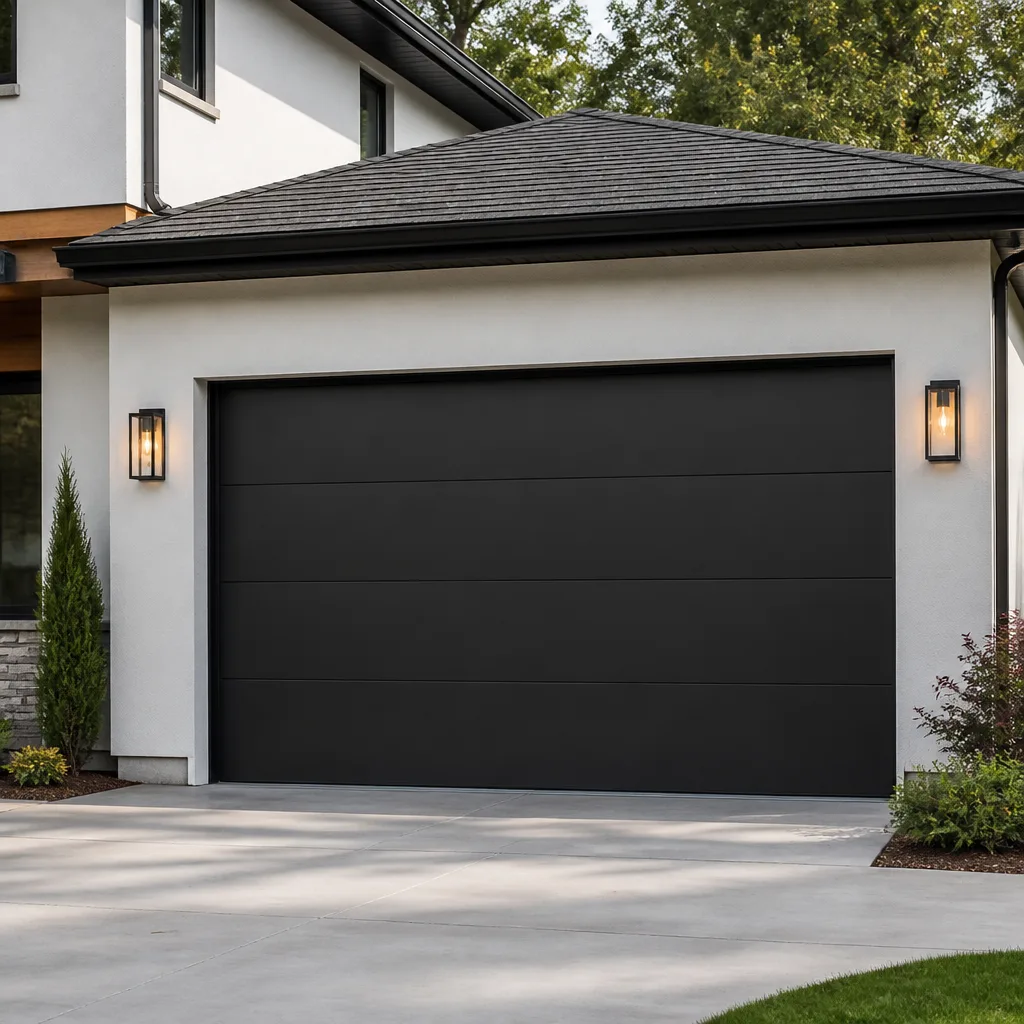 Modern flush
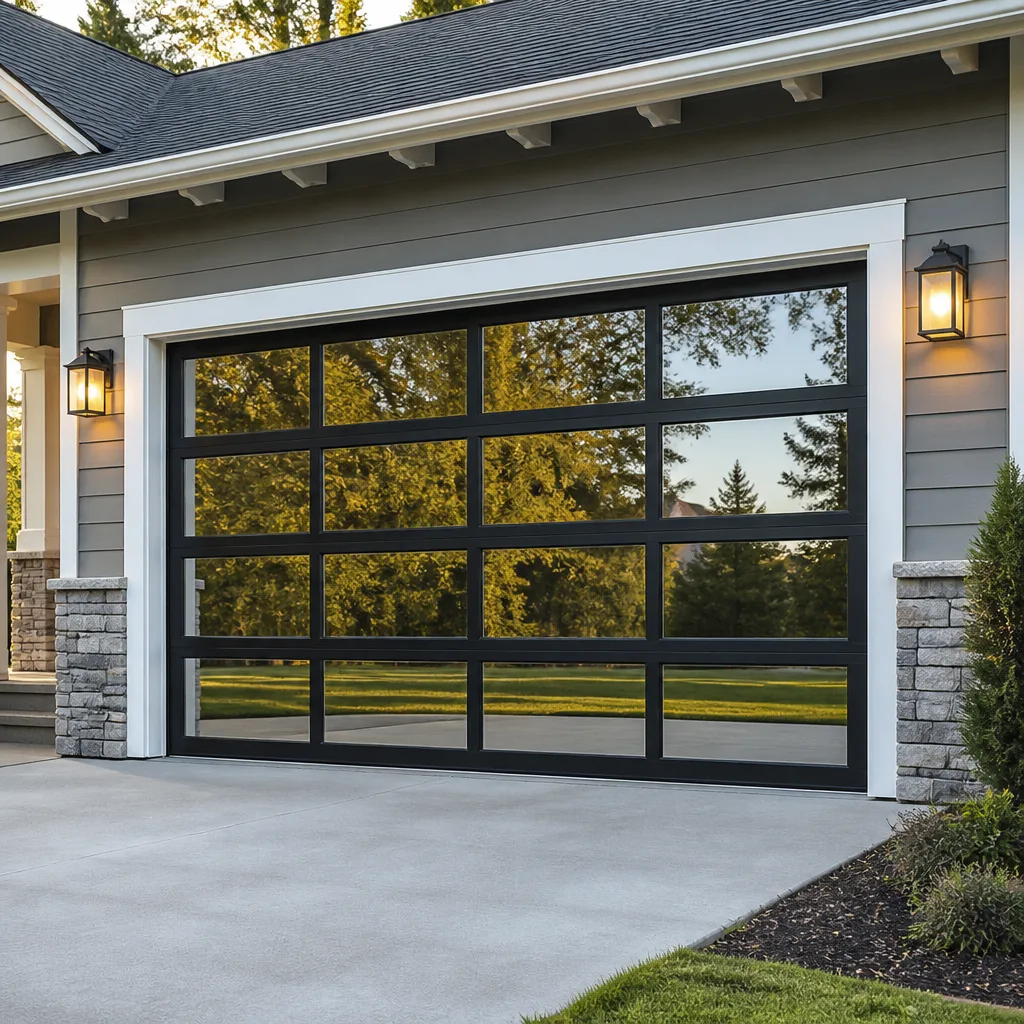 Full-view glass
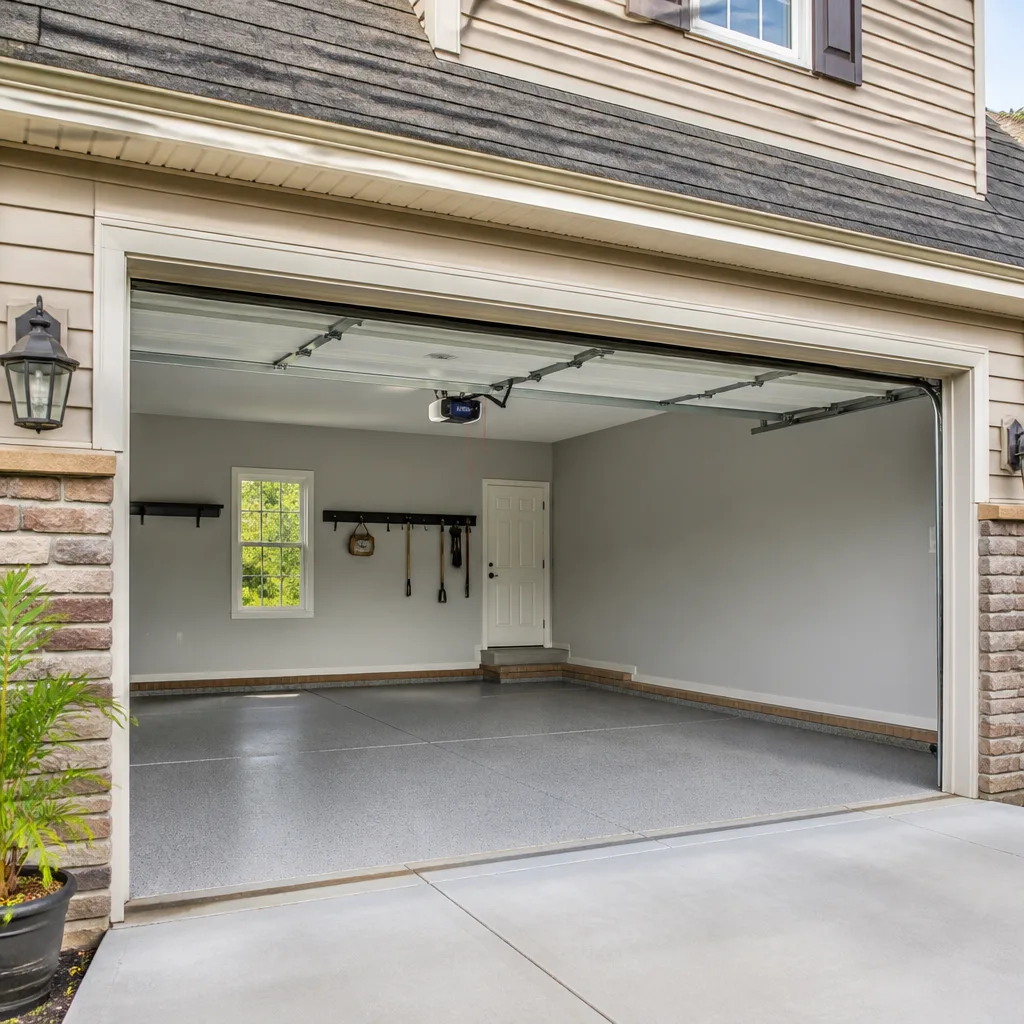 LiftMaster openers
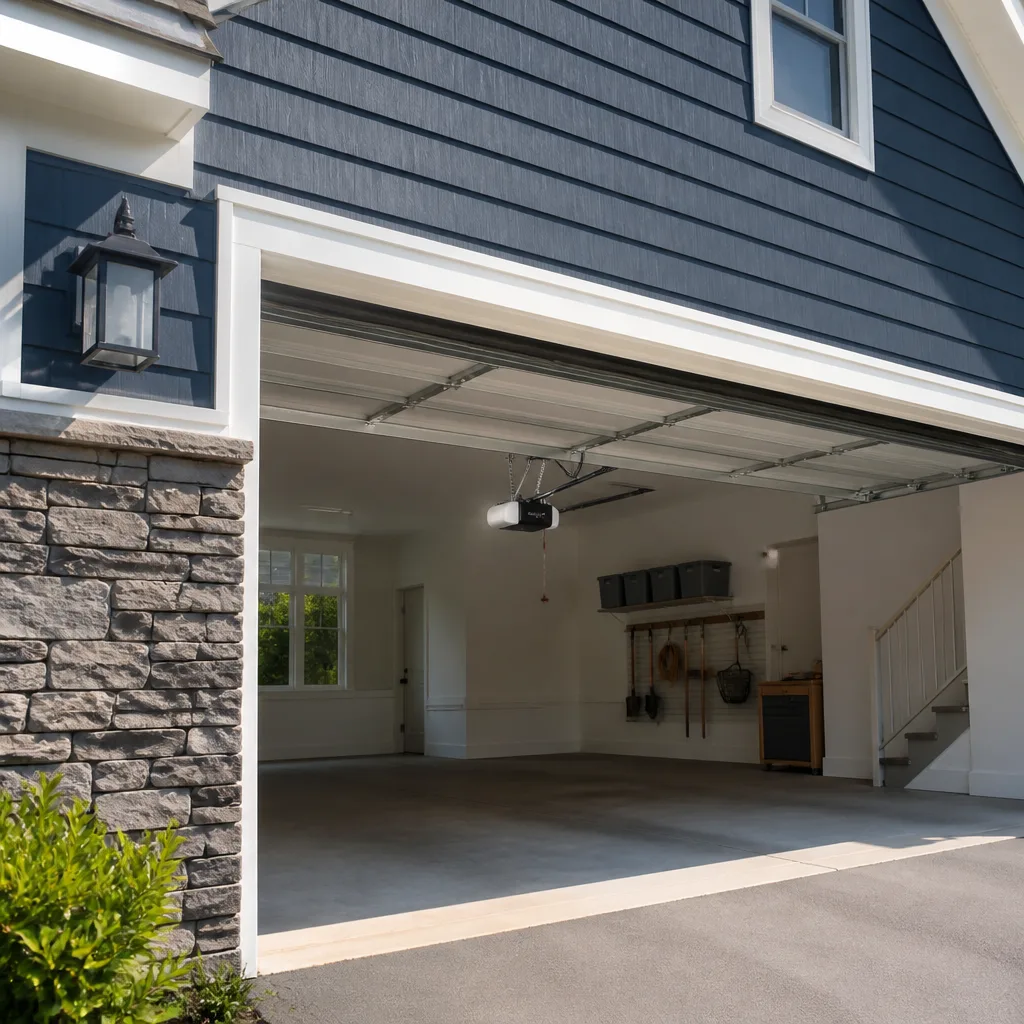 Chamberlain openers
Full 25-point door and opener safety check with every visit - springs, cables, rollers, tracks, and your LiftMaster or Chamberlain opener included
You get a price before we start. It does not change when the pro arrives.
Get your free estimateDIY vs Professional Garage Door: The Middletown Homeowner’s Decision Guide
Most homeowners who get hurt or lose money on a garage door repair don’t lack confidence. They lack a way to measure how confident they should be. Here’s the part the tutorials leave out: a torsion spring under load stores enough energy to break bones or worse in a fraction of a second, and no video shows you the moment a winding bar slips. The real question isn’t whether you’re handy. It’s which jobs have a risk profile where being wrong once costs more than hiring a professional every time. In this Middletown guide, we’ll walk you through a task-by-task verdict, what DIY actually costs when it goes sideways, how to judge your own mechanical baseline honestly, and where a pro belongs. Read the whole comparison first, then decide.
Styles & brands we work with
- Raised-panel steel
- Carriage house
- Modern flush
- Full-view glass
- LiftMaster openers
- Chamberlain openers
Quick Answer
For a Middletown homeowner, the safe DIY garage door jobs are limited to weatherstripping, photo-eye sensor alignment, lubrication, and visual inspections. Anything involving springs, cables, or track alignment under tension is a professional job, full stop. The mechanics of a door may look simple, but the stored energy in a torsion spring or a stretched cable is unforgiving, and the cost of one serious mistake – to your body, your car, or the door itself – dwarfs any labor savings.
Table of Contents
- The Asymmetry Problem: Why Garage Doors Break the Usual DIY Rules
- Task-by-Task Verdict: What’s Actually Safe to Do Yourself
- The Real Cost of a DIY Repair Gone Wrong
- How to Assess Your Own Mechanical Baseline Honestly
- What Watching a Tutorial First Actually Prepares You For
- Connecticut Homeowner Liability After a DIY Repair
- Middletown Conditions That Affect Your Door and Your Decision
- Common Mistakes to Avoid
- When to Call a Professional
- Frequently Asked Questions
- The Bottom Line
The Asymmetry Problem: Why Garage Doors Break the Usual DIY Rules
Most home repairs follow a predictable pattern: the job is either tedious or dangerous, and you sort it accordingly. A dripping faucet is tedious. Cleaning a gutter is mildly dangerous. Replacing a light switch is somewhere in between, and a lot of confident homeowners tackle it. Garage doors break that model because the dangerous components and the tedious components are stacked in the same machine, often within a few inches of each other.
We call it asymmetric risk. A task like straightening a bent track sounds like the same category of work as adjusting a bifold closet door, and in theory it is. In practice, that track is under tension from the springs via the cables. Push it the wrong direction, or loosen the wrong bolt, and the energy that lifts a several-hundred-pound door is suddenly released in the wrong place. If you get it right, you save a service call. If you get it wrong once, you may be looking at a bent panel, a snapped cable, or a trip to the emergency room.
This is not an argument against ever touching your door. It’s an argument for a task-by-task filter. Some jobs genuinely belong in your hands: resealing the bottom, cleaning the tracks, getting the sensors aligned, and keeping the moving parts lubricated. Those tasks save real money and don’t carry meaningful risk.
Where Middletown homeowners hit the line
In Middletown, we see this tension constantly. Homeowners in the North End or down around Wesleyan are often comfortable with basic tools and don’t want to pay for something they can do themselves. That instinct is usually right. The problem shows up when the same instinct gets applied to springs or cables, which look equally approachable from the outside and are not.
Here’s a simple way to hold it together for the rest of this guide: if a component exists to counterbalance the weight of the door, treat it as professional territory. If it exists to seal, guide, sense, or lubricate, you can usually handle it yourself.
Task-by-Task Verdict: What’s Actually Safe to Do Yourself
Let’s get specific. The list below is the one we wish every homeowner had before picking up a wrench. This isn’t about your ability – it’s about which tasks can hurt you or your door badly with one wrong move. For the safe category, we’re talking about maintenance and adjustment. For the unsafe category, we’re talking about stored energy.
Genuinely DIY-safe tasks
- Replacing bottom weatherstripping: The rubber seal along the bottom of the door is the most common wear item. The job requires a screwdriver or a pair of pliers, no pressure, and no tension anywhere in the system. If the door itself is balanced, this is a reasonable Saturday project.
- Aligning the safety photo-eye sensors: If your opener refuses to close the door, or the door reverses at the last inch, the sensors near the floor are usually the cause. Look for a small LED on each unit, clean the lenses, and make sure they face each other squarely. No tools required beyond a rag.
- Lubricating hinges, rollers, and the opener rail: A few drops of garage door lubricant on the hinge pivot points and each roller bearing will quiet a noisy door significantly. Use a lubricant made for garage doors, not WD-40, and avoid the springs and cables.
- Cleaning the tracks: Wipe the inside channels of the vertical and horizontal tracks with a cloth, and pick up any debris. Don’t try to bend the track to fix a dent – more on that below.
- Visual inspection: Set a reminder to look the door over every few months. Loose hinge bolts, worn weatherstripping, and frayed cables all reveal themselves visually long before they fail.
- Electrical safety basics on the opener: If you’re installing a smart-home opener module or programming a new remote, that’s user-level setup. We work with LiftMaster, Chamberlain, Genie, and Raynor on a regular basis, and the manuals and pairing steps for all four are genuinely written for homeowners.
Not DIY territory
- Torsion spring replacement: The torsion spring above the door holds the door’s weight through a winding system under extreme tension. Loosening a winding bar in the wrong sequence can destroy the door or a hand in a fraction of a second. There is no safe way to learn this on your own door.
- Extension spring replacement: The older extension springs run along the sides of the door and, if they break or get released incorrectly, the door slams down. The hardware involved can also break free with enough force to cause serious injury.
- Cable replacement or adjustment: Cables carry spring tension from one end of the door to the other. Even a door that looks fully open with the opener disconnected may still have tension in the cables. This is specialist work.
- Track realignment under tension: Straightening a bent track is not a matter of a rubber mallet and a good eye. Cables run through those tracks and spring tension holds them against the door. A pro will safely release the tension before touching the track.
- Resetting the opener’s drive gear or internal limit switches: Manufacturers make these systems for service technicians. If your opener’s limit switches are out of alignment, the fix is quick for a specialist and easy to get wrong for most homeowners.
- Re-hanging a door that has come off track: When a roller jumps the track, one wrong move can put the door panel or the car below it at risk. Professional responders know the safe sequence.
We break the spring side of this out in more depth on our garage door spring repair page if you want the mechanics behind why that component is treated differently from everything else on the door.
The Real Cost of a DIY Repair Gone Wrong
The cost of a failed DIY repair is not the cost of the original repair. It’s the cost of the original failed attempt, plus the emergency call to fix what the attempt broke, plus any damage done to the parts around it. Here’s the rough math on the parts of that bill homeowners don’t usually think about.
1. The emergency-call premium
When a door breaks, most homeowners want it fixed that day. When a broken door is the result of an interrupted DIY job, the call usually lands in the emergency category. Emergency service is priced differently from a scheduled repair, and there’s no getting around that. A door that was going to be a maintenance call on your schedule becomes a same-day problem on someone else’s.
2. The parts markup on someone else’s work
If you bought a spring from a hardware store and installed it yourself, and it’s the wrong size or tension for your door, the pro who comes out can’t reuse what you bought. The right spring is a specific match for the door’s weight and height. The wrong part adds to the bill rather than subtracting from it.
3. Damage to adjacent components
This is where the math really shifts. A spring on the wrong winding schedule can overload the cables, or a misaligned track can chew through the rollers, or a badly hung door can bend the panels. Every one of those components is separately priced, and each one is a repair the door didn’t need before the DIY attempt started.
4. Vehicle damage
When a door comes down unexpectedly – whether from a broken spring, a snapped cable, or an opener that lost its limits – the car parked beneath it is usually the first thing in the line of fire. That damage is your responsibility, not the door’s. It’s rare, but it happens, and we’ve seen garage doors come down during an interrupted repair.
5. Time and re-do cost
Even when nothing breaks, an unsuccessful DIY attempt ends with a service call anyway. The door is exactly where you started, plus a partial disassembly a pro has to undo before making things right. That’s the outcome where you don’t lose anything except the time and the tools you bought for the job.
The pro side of the equation is fair and predictable. For a Middletown homeowner who wants to understand what that side actually costs, our garage door repair page walks through typical ranges and what drives them up or down. Whatever the number is, the price is quoted and agreed before any work starts. Nobody gets a bill larger than the quote.
How to Assess Your Own Mechanical Baseline Honestly
This is the section most DIY guides avoid because it requires honesty. The question isn’t “am I handy?” It’s “have I done jobs that look like this one?” Garage doors sit in a strange category: they look like carpentry, they behave like mechanical systems under load, and they require the habits of someone who works with tension and has seen failures before.
A short self-assessment
- Have you worked with anything under tension before? Bicycle brakes, chain drives, load straps, vehicle suspension, or a tow strap. If that’s familiar territory and you’ve released and re-set tension dozens of times, you understand the feel of the work. If it’s not, spring work is not the place to learn.
- Do you have the right tools, or the patience to get them? Winding bars, proper springs sized to the door, and a set of safety glasses are on the minimum list for spring work. A set of pliers and a socket set is not enough, and “I’ll make it work” is where injuries live.
- Are you prepared to stop if the job looks different than the video? This is the honest one. Most injuries come from continuing past the point where a homeowner realized something was off but pressed on anyway. If the door doesn’t look or feel the way the tutorial said it would, the correct next step is stopping, not “one more try.”
- Do you know what to do if it fails? If you disconnect the opener, unbalance the door, and can’t get it back, the door is now your problem. Do you know who to call and how fast they can be there? Middletown homeowners who keep our number on hand have a much better outcome in this scenario than ones who start Googling in the moment.
- How much is your time worth this month? A DIY job on a door that’s needed in the morning is not the same project as a weekend job on a spare door. Be honest about the calendar before you decide.
The Tuesday morning test
Here’s a simple way to check your baseline. Imagine the job is finished, the door is down, and it’s Tuesday morning. The car is in the garage and work starts at 8. If the door is broken and you can’t get the car out, what’s the plan? If the answer is “call someone,” then the DIY job is not really the lower-risk path. The honest baseline question isn’t whether you can do the work – it’s whether you can handle the work being wrong when it’s not convenient.
What Watching a Tutorial First Actually Prepares You For
Tutorials are real, and some are genuinely good. We’ve watched enough of them to respect the ones that get it right. But they all suffer from the same structural issue: they show you what a task looks like when it’s going well, and mostly skip what it looks like when it’s going wrong. Here’s the honest breakdown by task type.
What tutorials prepare you for well
- Sensor alignment: The tutorials show exactly what to look for – an LED pattern, a lens to clean, a bracket to adjust. They’re accurate and useful for this task.
- Weatherstripping replacement: There are a dozen good videos on this and they cover the whole job, including the parts that go wrong (a torn seal, a stubborn screw).
- Lubrication: The tutorials get the right points and the wrong lubricants, but it’s an easy fix with a written guide.
- Remote and smart-hub programming: The manufacturer videos for LiftMaster and Chamberlain units are usually better than anything else out there.
What tutorials prepare you for poorly
- Spring replacement: The successful ones show a professional with a set of winding bars. The tutorials generally do not show how much force is stored in the spring, how a winding bar can slip, or what happens if the door’s weight isn’t fully released first. The failure mode is not on camera because it doesn’t happen on camera.
- Cable work: Most tutorials gloss over the part where you have to safely release cable tension and hold it during replacement. That’s the part that goes wrong, and it’s the part that’s hardest to film.
- Track realignment: There’s a wide gap between “tap the track back into shape” and “safely release the spring tension before touching the track.” Many tutorials split the difference by leaving out the safety step and calling it simple.
- Opener internal repair: Gear replacement and limit-switch recalibration are mechanical repairs with tight tolerances, and the tutorials tend to show a single happy path. If your opener is a Genie rather than a Chamberlain, some of the steps change. So does the tooling.
The honest way to use a tutorial is as a diagnostic. Watch it to understand what’s wrong with your door and how the repair is generally done. Watch it to prepare for a call with a technician – a homeowner who knows what a snapped torsion spring is asking a more useful question than one who doesn’t. Then decide which category the job falls into using the list above. We cover opener-specific repairs on our garage door opener repair page if the issue is on the motor side rather than the door side.
Connecticut Homeowner Liability After a DIY Repair
This is a section most DIY comparisons skip, and it matters. If you eventually sell a home in Middletown with a garage door you repaired yourself, or if someone is injured by a door you repaired, the question of who is responsible for that door becomes part of the conversation.
Disclosure when you sell
Connecticut’s residential property condition disclosure form asks sellers to disclose known problems with major systems, including the garage door and opener. If you replaced the spring yourself and later sold the home, you’re the one who made the repair and you’re the one who would need to disclose the condition you know about. A door that was professionally repaired usually comes with documentation, and documentation is a much stronger answer than “it worked fine for us.”
Liability if someone is hurt
If a guest, a delivery worker, a family member, or a contractor is injured by a door that fails, the homeowner’s insurance is generally the first stop. Some policies ask whether the door was professionally serviced and whether routine maintenance was done. A DIY repair that later contributes to an injury is not a small thing to explain, and in a worst-case scenario it can complicate a claim. This isn’t a scare tactic – it’s a reminder that a garage door is one of the few machines in your home that operates near people who are not in your household.
Local inspection angle
If you’re planning a home sale in Middletown in the next year or two, a pre-listing inspection often flags the garage door. Older doors with unknown repair history are one of the items most likely to need documentation. If a spring or cable was replaced by a professional, you have a record. If it was done by you, you have a story and a door that may or may not last.
What this means in practice
For the safe DIY tasks, none of this really matters, because there’s no significant record to keep. For the spring, cable, and track work, the record is worth more than you might think. If you hire a professional, ask them to leave you a note about what was replaced and when. That note is small, and it’s the difference between “we have no idea” and “here’s what was done” when you eventually sell.
Middletown Conditions That Affect Your Door and Your Decision
Middletown’s weather cycle drives a lot of what we see on doors here. Wet autumns and snowy winters push door components hard in ways homeowners moving from milder climates often notice. Understanding this helps you decide what to inspect and when, and it also gives you a realistic sense of the wear your door sees.
Winter swings
Between fall and spring, the freeze-thaw cycles around Middletown dry and stress the rubber weatherstripping at the bottom of the door. That’s why we treat weatherstripping as a genuine maintenance item rather than a cosmetic one. A worn seal lets cold air, moisture, and road grime near the door’s mechanism, and nobody needs that in January.
Summer humidity
A warm, humid Connecticut summer is hard on the wooden panels in older doors and on metal panels in unheated garages. Warping shows up first at the bottom corners. When you see the panel edges curling or splitting, that’s a sign to inspect the whole door, not just the affected panel. If the door is old and the panels are warping consistently, it may be a replacement conversation rather than a repair one. Our Bramley Garage Door Repair page walks through what full-door replacement looks like for Middletown homes.
Snow, ice, and road salt in the garage
Connecticut winters drag a lot of road salt into garages through wet tires, and that salt settles on hinges, rollers, and the bottom of the door. This is why lubrication matters here in a way it doesn’t in Phoenix. If the rollers are stiff, the hinges squeak, or the door is noisier than it was in October, lubrication is the first thing to try before you assume the opener is failing.
Household patterns
Most Middletown homes have one garage door that runs every day, sometimes more than once, between commutes, school pickups, and errands. A door that cycles that much ages faster than the calendar suggests. When you’re judging whether to DIY or hire, use the actual number of cycles, not the door’s age.
One thing we’d tell any Middletown homeowner
The doors in Middletown are often the original units that came with the house, and many are still using original springs and cables. When that’s the case, treat the first spring replacement as a full door inspection, not just a part swap. Older doors often have several worn components at once, and a professional can identify them before they fail.
Common Mistakes to Avoid
- Treating a broken spring like a hardware-store pickup: A garage door spring isn’t a generic part. It’s sized to the door’s weight, height, and cycle count, and a mismatched spring will either fail quickly or damage the cables. Always get the right spring for the door, not the closest one on the shelf.
- Releasing tension on your own without understanding the sequence: The winding process is a sequence, and getting it wrong is the injury path. No aspect of spring replacement is forgiving of one wrong step.
- Calling a general handyman for a spring repair: Garage door springs are a specialty. A handyman who “does everything” may not have worked on the specific types of springs on your door. You want a specialist, and the specialty matters most on the dangerous parts.
- Restraightening a bent track without releasing the cables: A bent track is usually a symptom of cable tension, not a cause. Straightening the visible bend while the cables are still loaded can put you in the path of a snap. Get the tension released first, or don’t touch the track.
- Running the opener when the door is off balance: If the door takes more than a light lift to raise by hand, the opener is carrying weight it was never designed to carry. That’s how opener gears strip and how motors burn out. Fix the balance first.
- Using WD-40 on hinges and rollers: WD-40 is a light penetrant and displaces the factory lubricant. It quiets the door for a week and leaves the parts drier than before. Use a garage-door-specific lubricant on the rollers, hinges, and springs.
- Skipping the safety inspection on the opener’s auto-reverse function: The safety reverse test takes 10 seconds and only fails when you need it most. Take a two-by-four laid flat on the ground and check that the door reverses on contact. If it doesn’t, that’s a professional repair.
When to Call a Professional
You should call a professional when the failure involves any of the following: a snapped torsion or extension spring, a broken or slack cable, a door that has come off its track, an opener that won’t respond to commands, a door that reverses at random, or a door that won’t fully open or close. You should also call if a repair you’ve attempted has left the door in any state that isn’t clearly safe to operate. In Middletown, Bramley Garage Door Repair handles these calls across all the major brands – LiftMaster, Chamberlain, Genie, Clopay, Amarr, Wayne Dalton, Craftsman, and Raynor – so whatever door you have, we’re working on the hardware in front of us rather than guessing at it. Spring repair is a named specialty here, not a service we hand off. If the door is unsafe to operate, call rather than cycling it further. Bramley Garage Door Repair offers free estimates in Middletown – call (877) 492-2037. Our technicians have up to 11 years of experience, and the price is quoted and agreed before any work starts.
Frequently Asked Questions
No. Torsion and extension springs store enough energy to cause serious injury in a fraction of a second, and there’s no safe way to learn that job on your own door. Windings that go wrong can lacerate a hand, send a winding bar loose, or drop the door itself. If your spring is broken, keep the door closed, don’t cycle it, and call a specialist. We handle spring repair as a named specialty, and our technicians have up to 11 years of experience. Call (877) 492-2037 for an exact quote – estimates are free.
Tutorials are useful for diagnosis and preparation, but they don’t prepare you for the failure modes. The reason is simple: successful videos show successful jobs. The moments where a winding bar slips, a cable snaps, or a track gives way are not on camera. Use the tutorial to understand what’s wrong with your door and what kind of repair it needs. Then decide which category it falls into using the safe and unsafe lists above. Anything involving stored energy belongs in the professional column.
For the genuinely safe DIY tasks like weatherstripping, sensor alignment, and lubrication, the savings are real and we don’t begrudge anyone for doing them. For springs, cables, or track work, the savings usually don’t hold up when something goes wrong. The typical cost of a failed DIY attempt is the original repair plus the emergency call plus damage to the parts the attempt affected. Call (877) 492-2037 for an exact quote on a professional repair – estimates are free, and the price is quoted and agreed before any work starts.
No. The written estimate sets the final price. We quote based on what we find when we inspect, and the number we agree to before the work starts is the number on the bill. If we discover something during the repair that wasn’t visible at diagnosis, we stop and talk to you about it first. No surprise additions, no invoice bigger than the quote.
The local pro who performs the work is licensed and insured as Connecticut requires. That matters more on garage doors than on most home repairs, because the same components that make the door useful are the components that can hurt someone if the work isn’t done correctly. A licensed and insured technician is your protection if something unexpected happens on the job. If you want to confirm the details before work begins, that’s a fair question to ask when you call.
In most cases we can route a same-day call for a door that won’t open or is stuck in a dangerous position, and emergency service is a core service line rather than an upsell. Call (877) 492-2037 with what happened and where the door is now – open, closed, halfway, off track – and we’ll work out the fastest path. If you’re locked in, we treat that as urgent. If you’re locked out, we treat that as urgent. If the door is halfway up and something is hanging by a cable, don’t touch it and call right away.
Not meaningfully. The main wear factors are the freeze-thaw cycles that hit all of Middletown, the household usage pattern on each door, and the age of the door’s components. A door near Wesleyan sees the same winter that a door in the North End sees. What varies is how often the door is used and how old the springs and cables are. If your door is older than the surrounding homes’ replated hardware, get it inspected regardless of neighborhood.
We’re fluent in eight of the most widely installed residential brands – LiftMaster, Chamberlain, Genie, Clopay, Amarr, Wayne Dalton, Craftsman, and Raynor. That covers most of what we see on Middletown doors. When we diagnose an opener, we’re working on the system actually in front of us rather than treating every opener as the same. If yours uses a drive system or a smart-home module that’s specific to the brand, that’s the right starting point. We also handle opener repair across those brands if the door itself is fine and the motor is the problem.
The Bottom Line
The DIY versus professional question for garage doors isn’t really about how handy you are. It’s about which tasks carry an asymmetric risk where being wrong once costs more than hiring a professional every time. Weatherstripping, sensor alignment, lubrication, and visual inspection belong in your hands and save you real money. Springs, cables, and track work belong with a specialist, because the same component that lifts the door can also injure you. For Middletown homeowners, that line is the one to hold. If the door needs professional attention, call Bramley Garage Door Repair at (877) 492-2037. Our technicians have up to 11 years of experience, estimates are free, and the price is quoted and agreed before any work starts. If a repair needs a same-day response, we handle that as a core service line.
Written by the team at Bramley Garage Door Repair.
See the difference
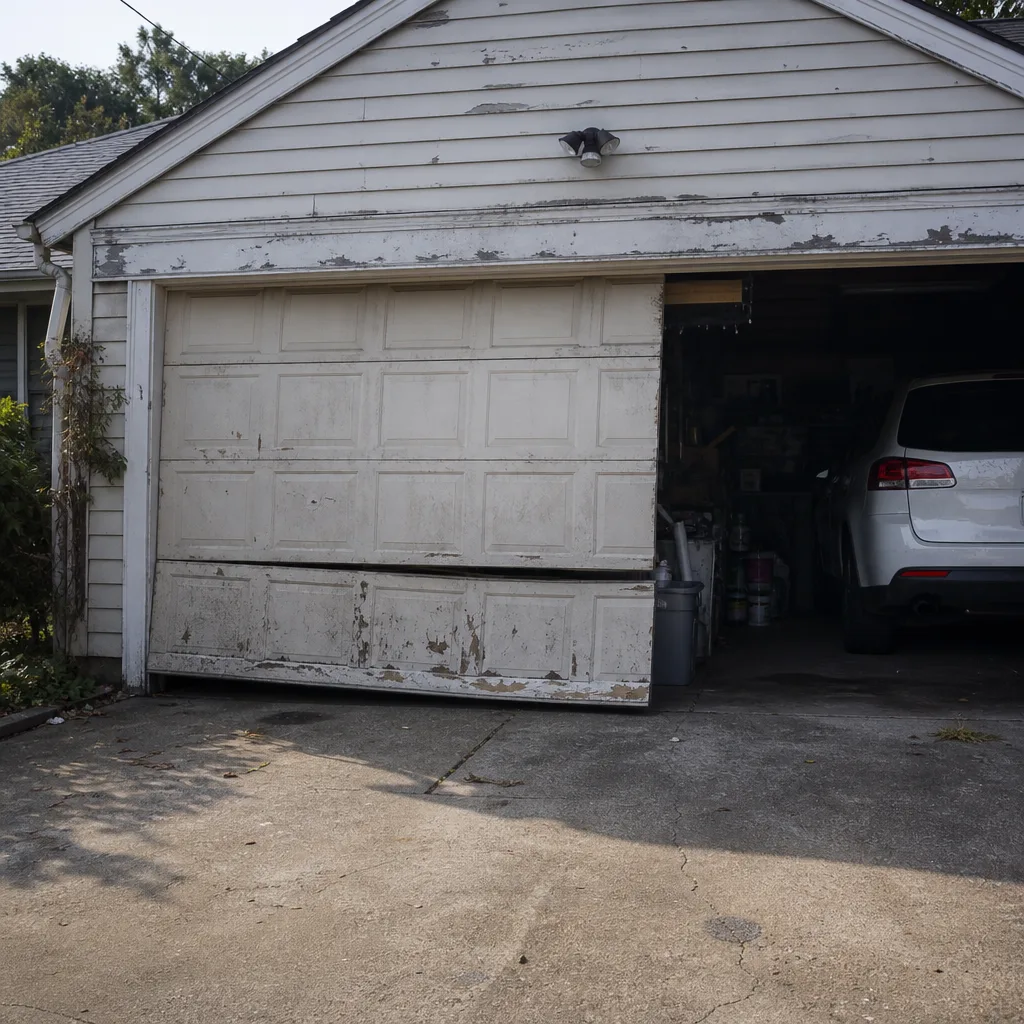 Before
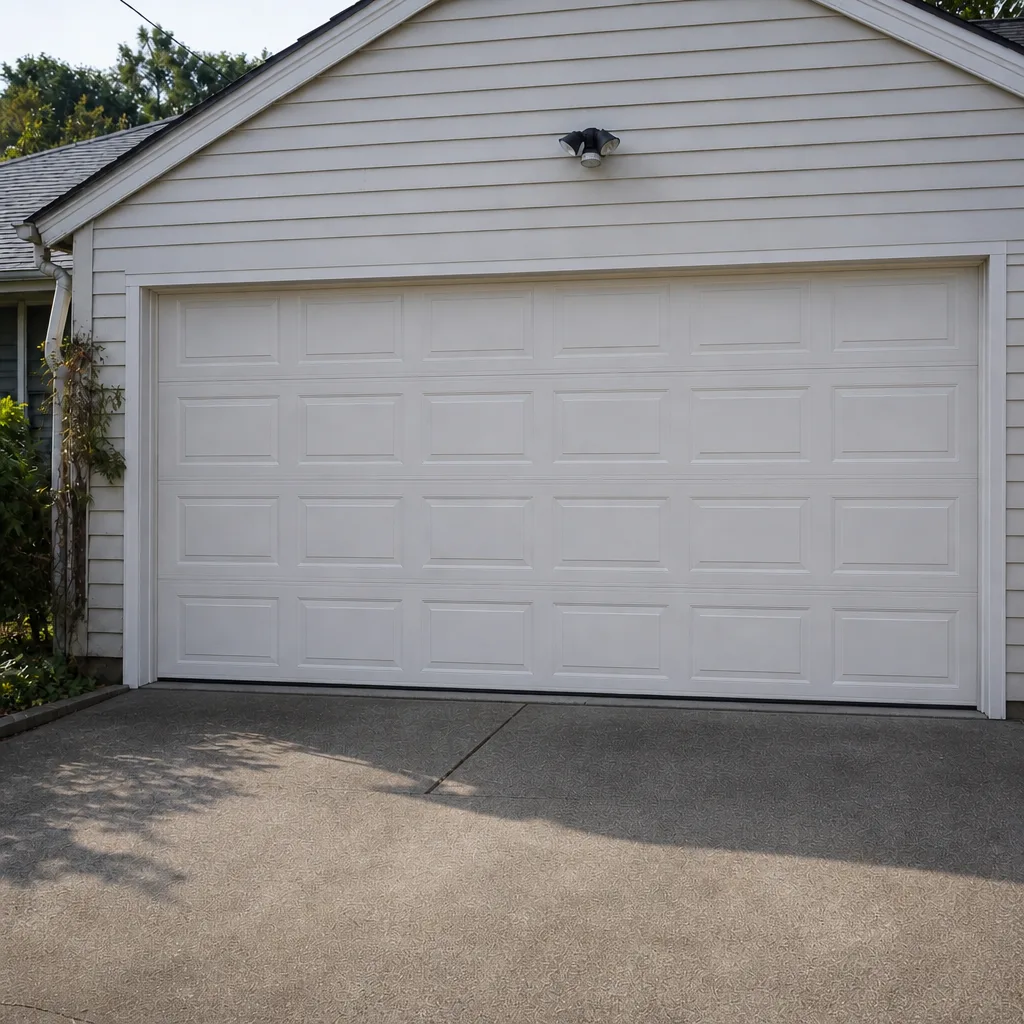 After
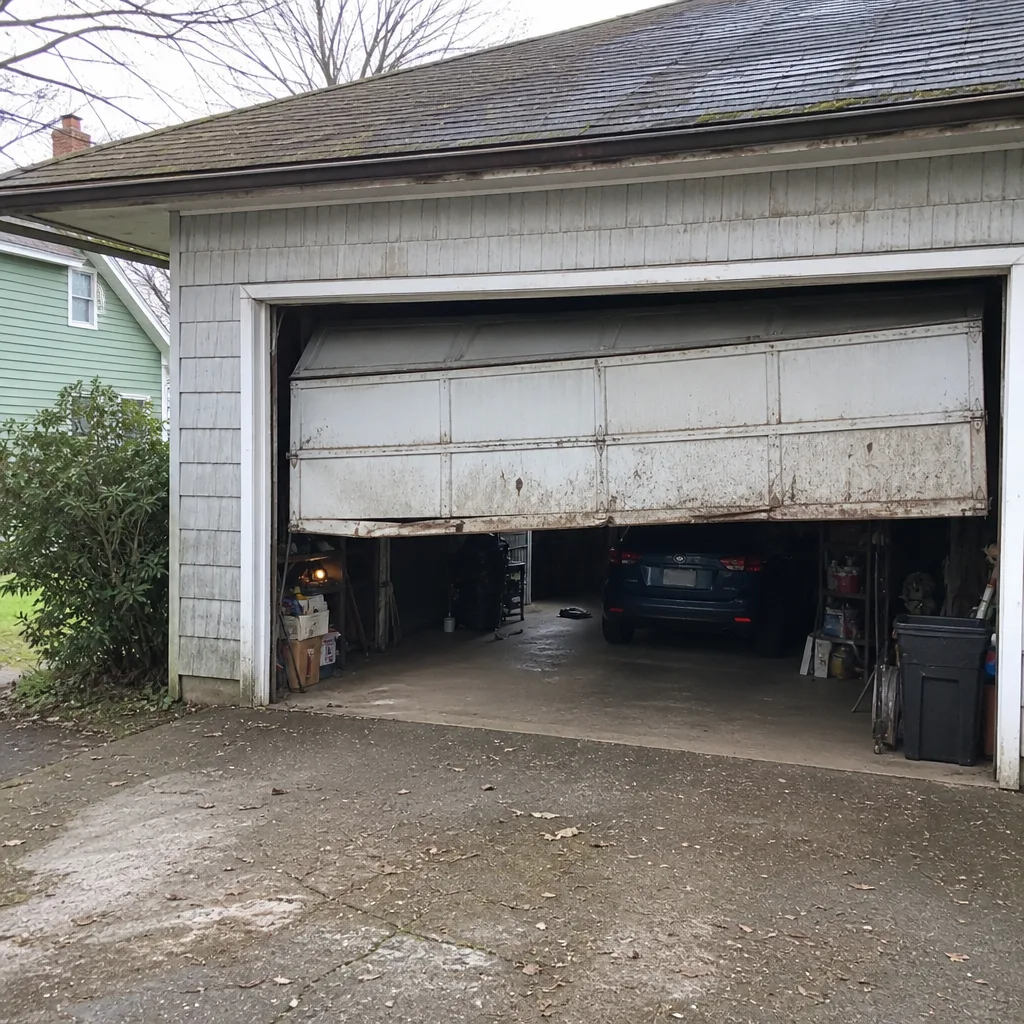 Before
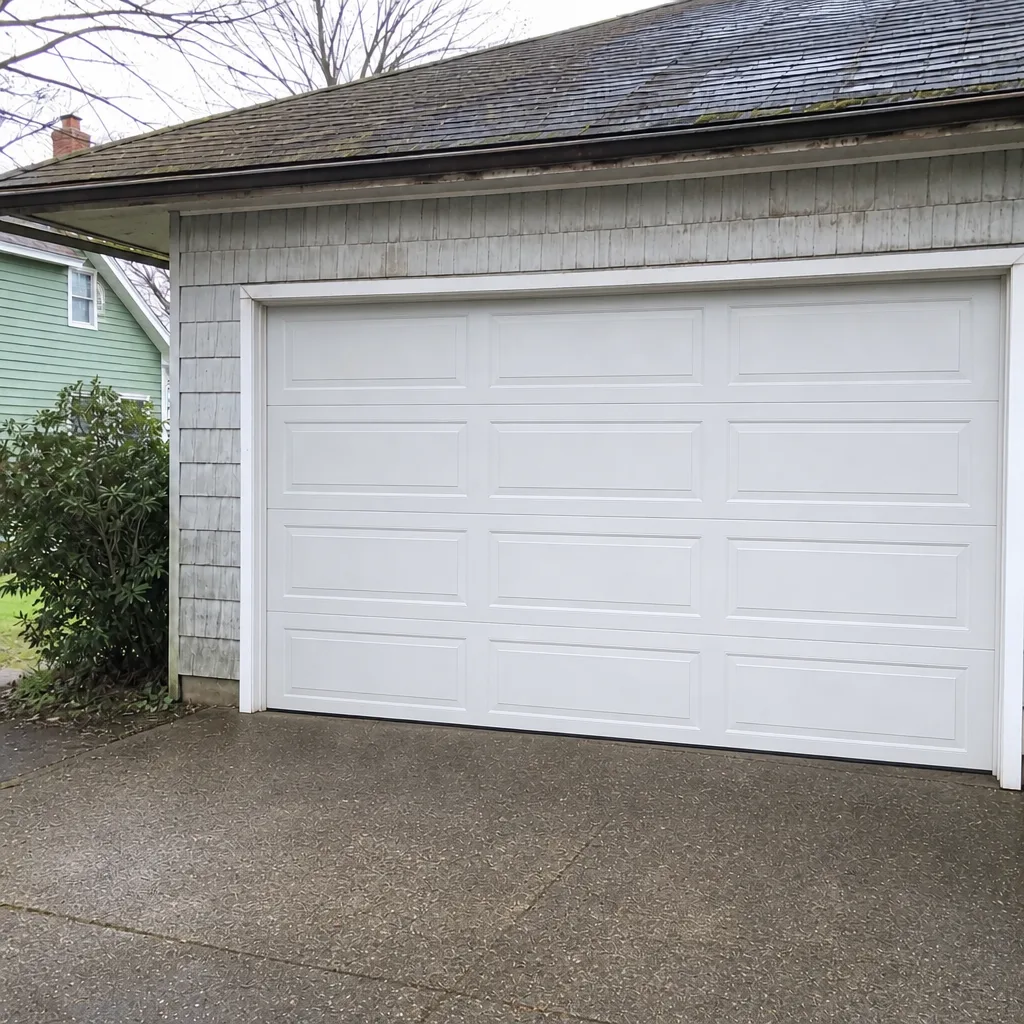 After
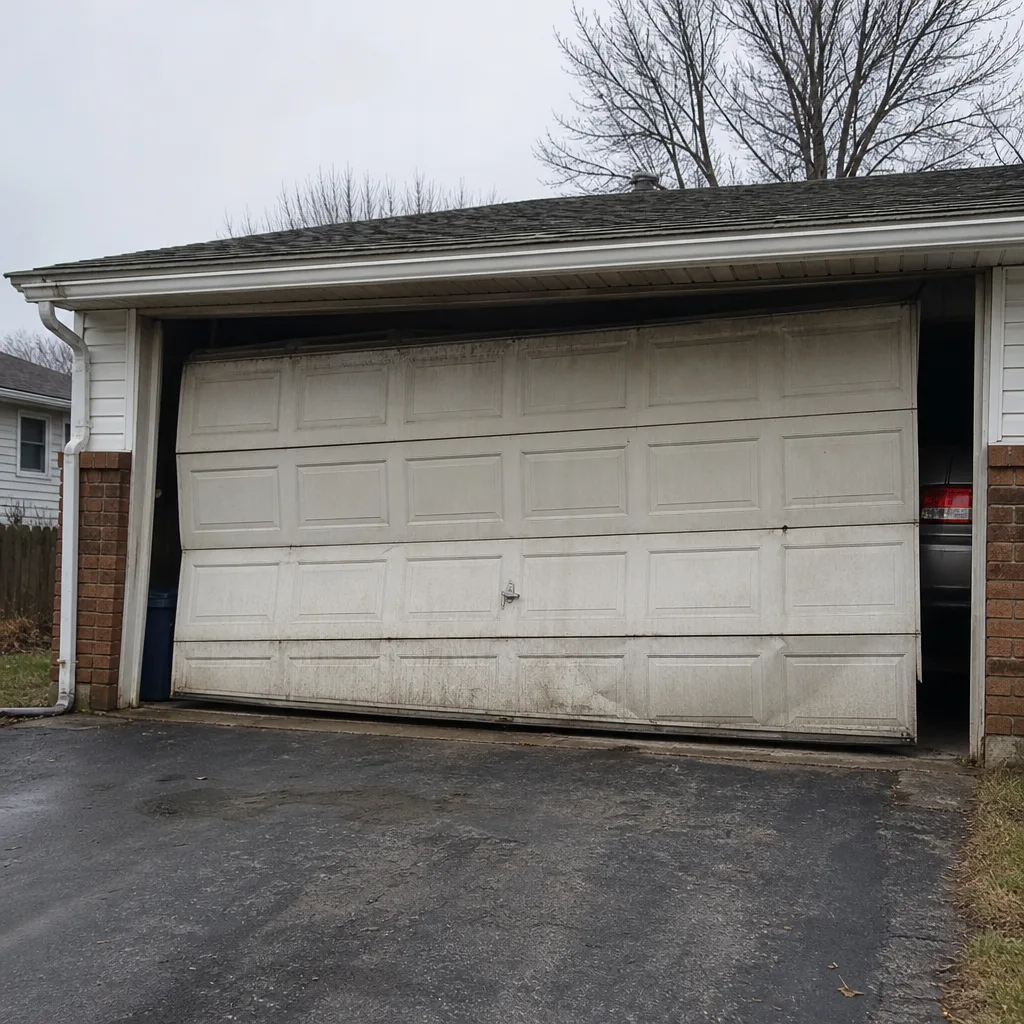 Before
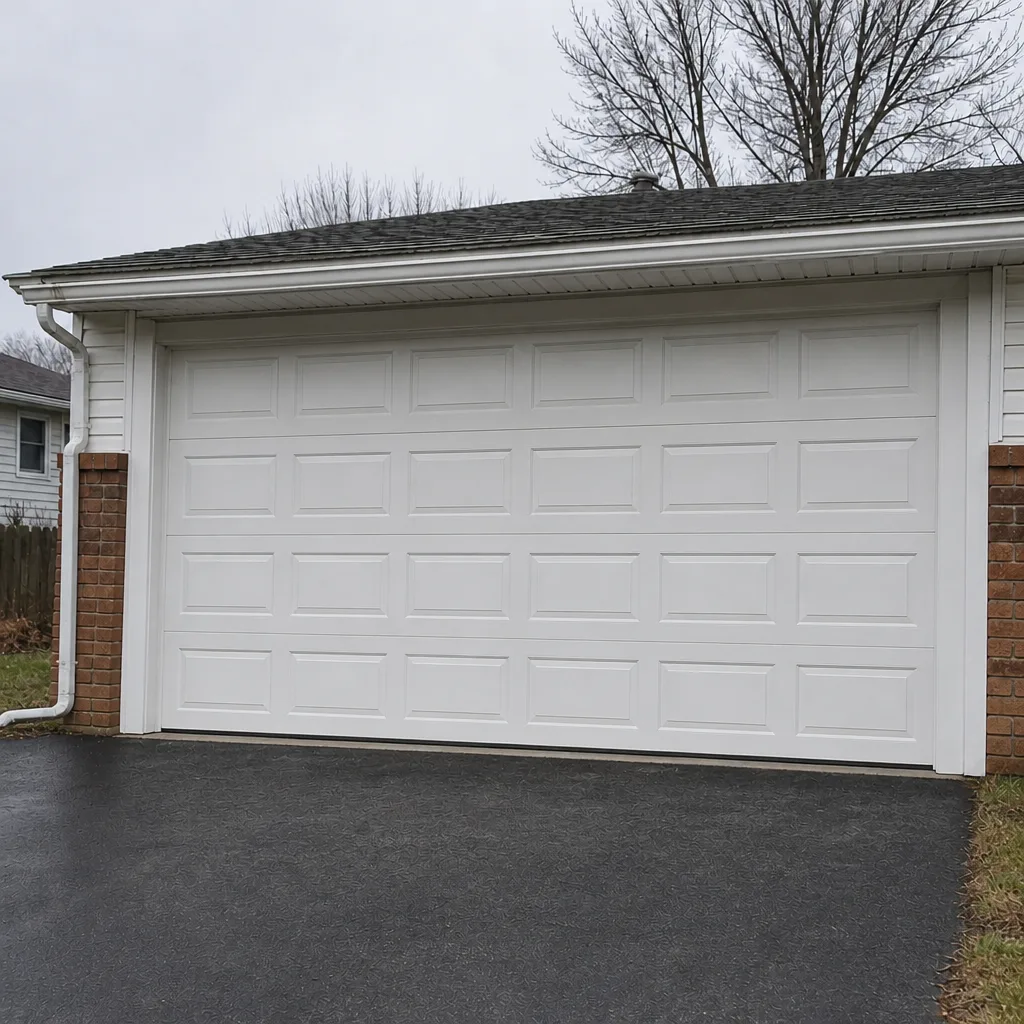 After