Last updated November 22, 2026
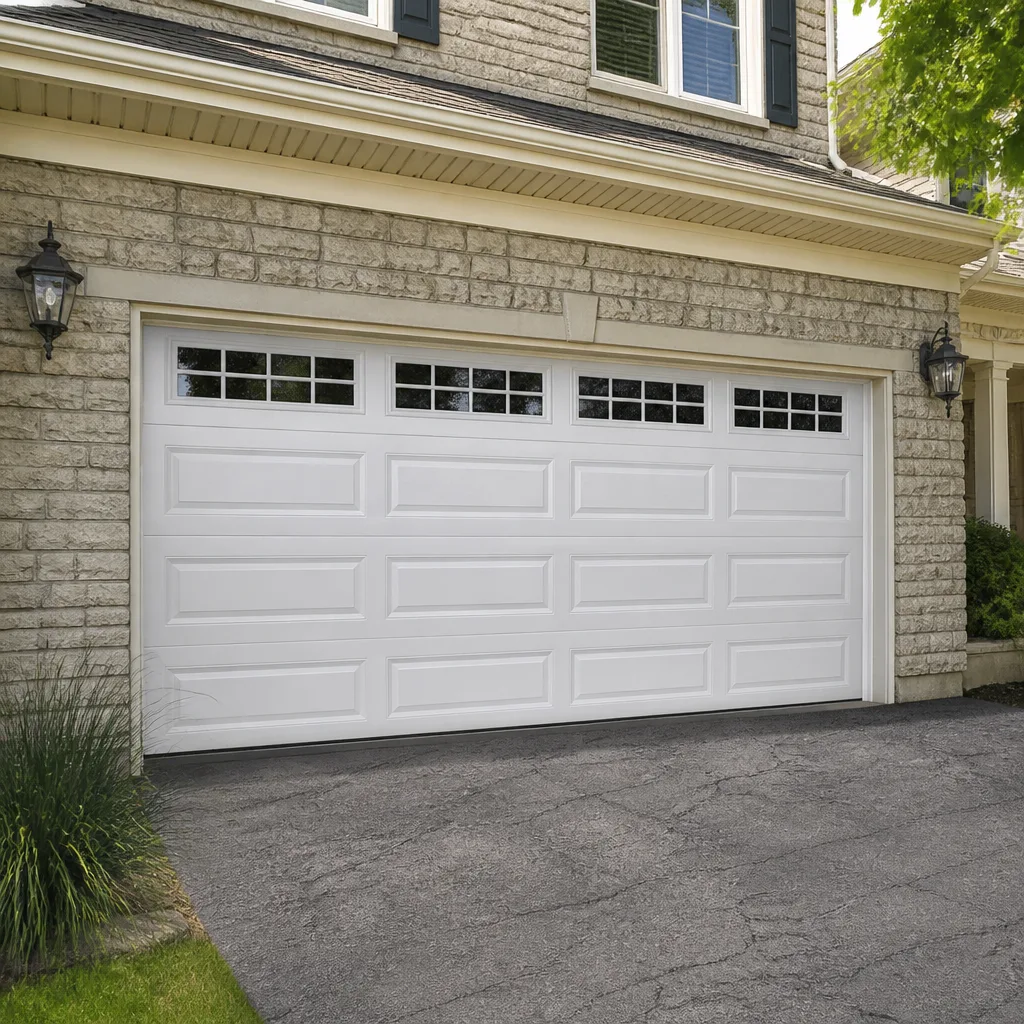 Raised-panel steel
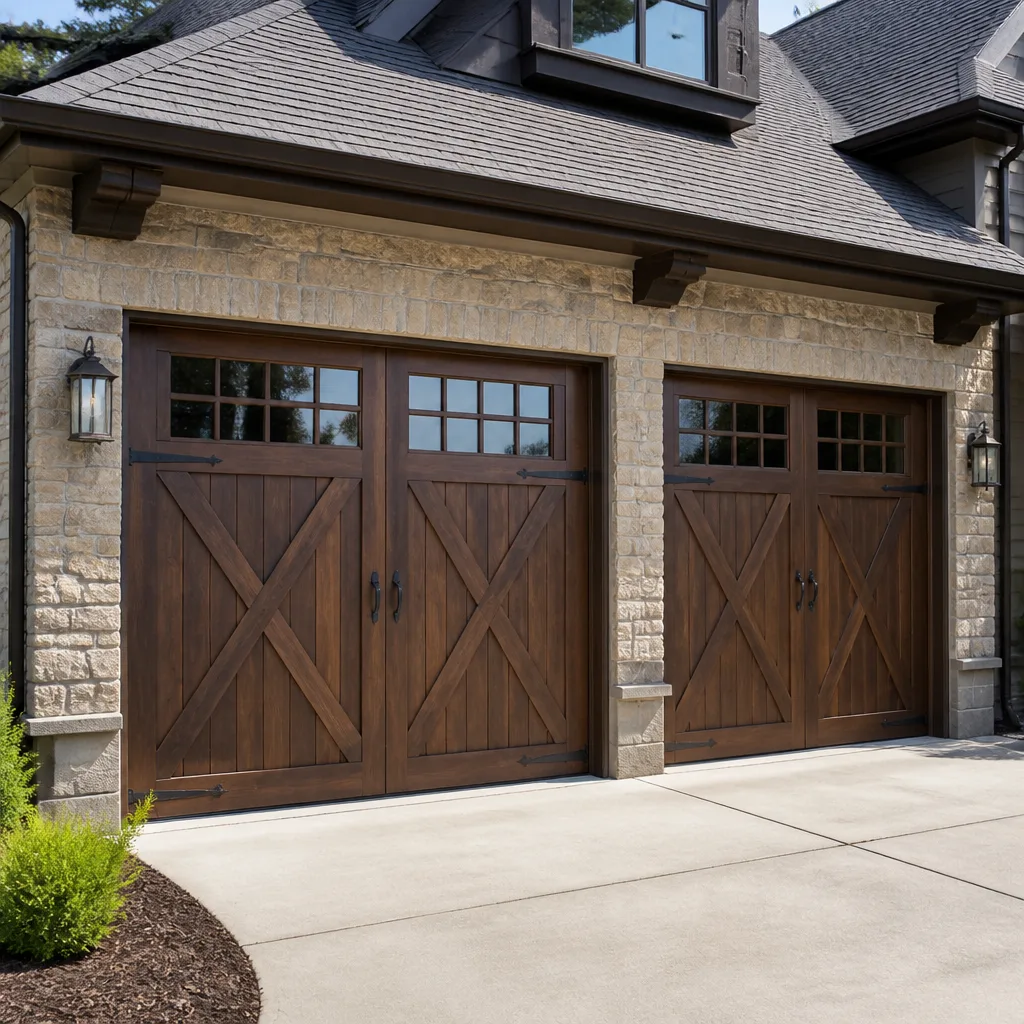 Carriage house
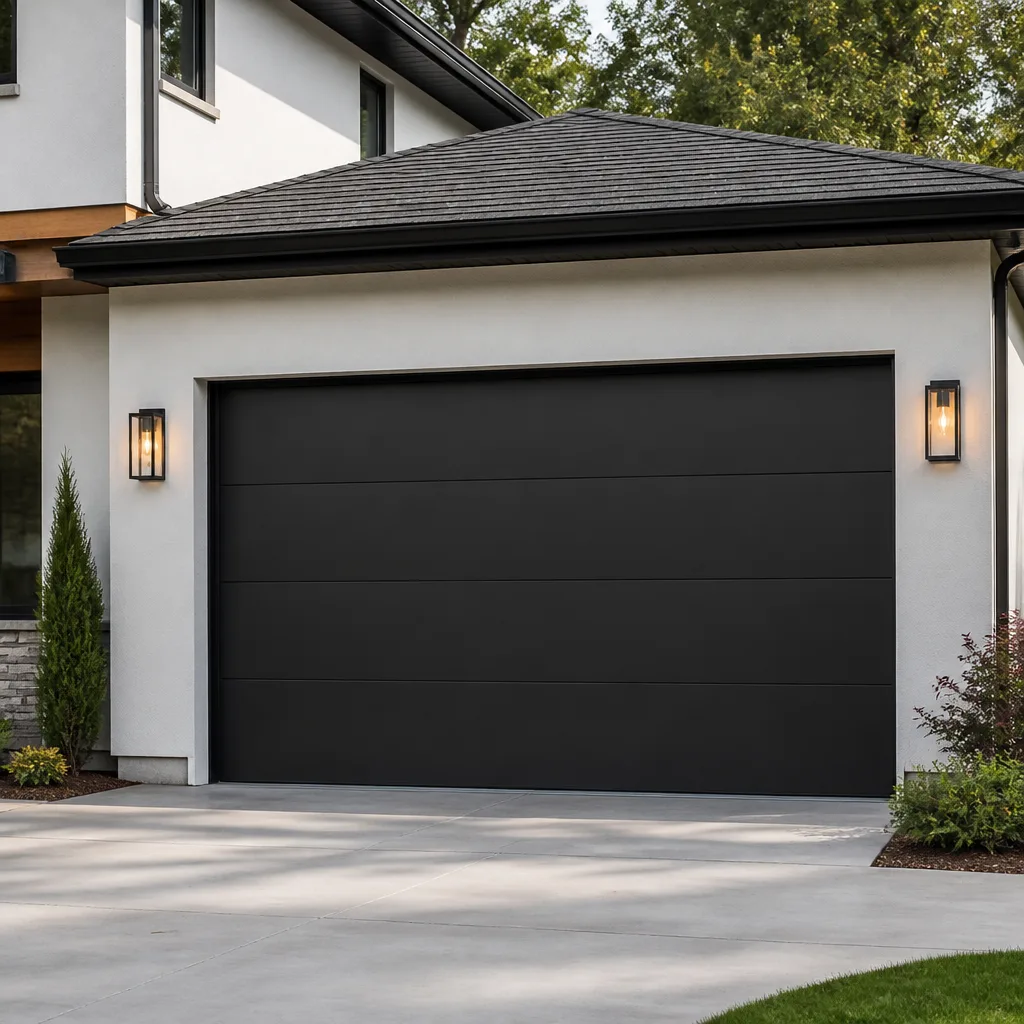 Modern flush
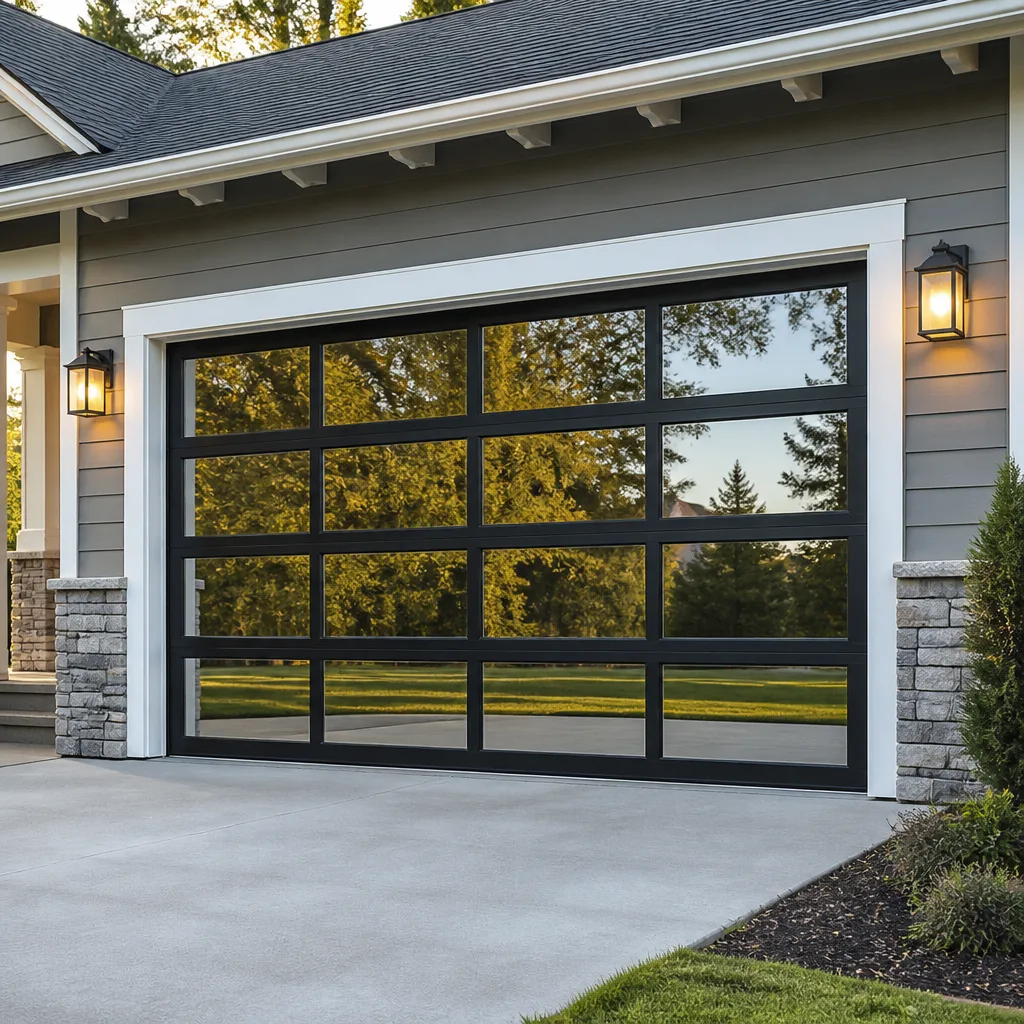 Full-view glass
 LiftMaster openers
 Chamberlain openers
Full 25-point door and opener safety check with every visit - springs, cables, rollers, tracks, and your LiftMaster or Chamberlain opener included
You get a price before we start. It does not change when the pro arrives.
Get your free estimateGarage Door Repair Maintenance Checklist for Middletown Homeowners
The number one cause of unexpected garage door failures isn’t age. It’s deferred maintenance on one specific component that takes under two minutes to inspect: the rollers and hinges along the track. When those dry out, the door starts working harder than it should, and the strain travels straight to the springs and the opener. Most homeowners never look at them until something snaps. This guide covers a task-by-task maintenance checklist written for Middletown homes, and it draws a hard line between the jobs you can safely handle yourself and the ones that look simple but carry real injury risk. You’ll learn what to lubricate and with what, when to prep your door before a Connecticut River Valley frost, and how to keep a simple maintenance log so a technician can spot trends instead of just symptoms.
Quick Answer
A garage door maintenance checklist for Middletown homeowners should cover monthly visual inspections of springs, cables, and rollers; lubrication of hinges, rollers, and the torsion bar two to four times a year; a balance and safety-reverse test every season; and pre-winter prep before the first hard frost reaches the Connecticut River Valley. Spring tension adjustment and cable replacement are never DIY tasks – those belong to a trained technician. Everything else on this list you can do yourself with a rag, a ladder, and the right lubricant.
Styles & brands we work with
- Raised-panel steel
- Carriage house
- Modern flush
- Full-view glass
- LiftMaster openers
- Chamberlain openers
Table of Contents
- Why Garage Door Maintenance Matters More in Middletown
- The Three Things to Check First (Most Homeowners Check Them Last)
- Your Monthly Garage Door Inspection Checklist
- Lubrication Done Right: Which Parts, What Product, In What Order
- Tasks You Should Never Attempt Yourself
- Pre-Winter Prep for the Connecticut River Valley
- Balance and Safety-Reverse Testing
- How to Document Your Door’s Condition Over Time
Why Garage Door Maintenance Matters More in Middletown
The garage door is the largest moving piece of equipment in most homes, and in Middletown it works through a real spread of seasons. Summer humidity swells wood and works at gaskets. Fall brings leaves and grit into the tracks. Winter cold makes steel contract and stiffens the lubricant on every moving joint. Then a Connecticut River Valley thaw gets moisture into the seams. A door that ignores all of this will still open and close, right up until it doesn’t.
We’ve seen how these cycles play out across neighborhoods like Westfield and Wesleyan Hills, where many homes have older doors that have never had a proper service. The metal dries out, the rollers start to flat-spot, and the opener compensates by pushing harder. That compensation shows up later as a worn gear, a stripped drive, or a snapped spring. Maintenance is what interrupts that chain before it gets expensive.
One more Middletown reality: many garages here are attached and used daily, so a failure blocks your car and your routine at the same time. A few minutes of routine care keeps the door on the side of working. When it does fail, you want to know who to call and how the repair folds out. If you’re not sure whether a noise or a wobble is serious, garage door repair is the place to start, and a free estimate will tell you whether it’s a quick adjustment or something bigger.
The Three Things to Check First (Most Homeowners Check Them Last)
Here’s a counterintuitive point. Most people start their garage door inspection by testing the opener from the car, and stop there. The three items that actually predict a failure get checked last, or never. Make these first from now on.
- Rollers and hinges (the under-two-minute check). Look at each roller along both sides of the track. You’re checking for dry, rust-streaked metal, flat spots on the wheels, and hinges that look stiff or dusty. Dry rollers are the single most common cause of a door that suddenly starts grinding, and they’re the reason so many repairs start with a $12 part.
- Cables (visual only). Look at the steel cables that run down each side. You’re checking for fraying – little broken strands sticking out – or slack. Do not touch them, do not test tension by hand. Fraying is the earliest sign a cable is about to let go, and a snapping cable is genuinely dangerous. Note it and call.
- The balance test (with the door disconnected). Pull the release handle to disconnect the opener, raise the door by hand about halfway, and let go. A balanced door stays where you put it. A door that slides down or slams is out of balance, which usually means the springs are tired or a cable has slipped. Reconnect and stop using it until it’s inspected.
If those three checks pass and the door still sounds off, the culprit is usually lubrication or a worn opener. Grit In the tracks and a dry torsion bar cause most of the noise complaints we hear around Middletown. In our experience, the door that gets checked in this order fails far less often on a morning when you need to leave.
Your Monthly Garage Door Inspection Checklist
A monthly walkaround takes about five minutes and catches nearly everything early. Work from the floor up, so you’re not tempted to skip the hard-to-see parts.
- Track alignment. Look down each vertical and horizontal track. They should be straight, parallel, and free of dents. A bent track drags rollers and strains the opener.
- Track debris. Clear leaves, pebbles, and grit so the rollers run clean. Middletown’s fall leaf drop is generous, and debris in the track is a common culprit for a door that stalls.
- Bolts and brackets. Look at the hinges and brackets along the door. Loose bolts cause rattling and speed up wear. Snug them gently; don’t overtighten.
- Weatherstripping and bottom seal. Check the rubber seal at the floor and the strip around the frame. A cracked or flattened seal lets in cold air and water, which matters in an attached garage that shares a wall with the house.
- Panel and paint condition. Look for rust spots or peeling paint, especially on older steel doors. Early attention keeps a small issue from spreading.
- Photo log. Snap a picture of the rollers, springs, and cables each month from the same angle. This is how you document the door over time rather than just reacting to a symptom.
Do this once a month and add a deeper lubrication pass every few months, covered below. That rhythm keeps the door honest and gives a technician a record to work with instead of a report of “it started making a noise.”
Lubrication Done Right: Which Parts, What Product, In What Order
This is where generic checklists fall apart. “Lubricate moving parts” tells you nothing useful, and the wrong product does more harm than good. The order matters too, because you want the door positioned so the lubricant reaches the parts that need it.
What to use. A white lithium grease or a silicone-based garage door lubricant is right for rollers, hinges, and the torsion bar. Never use WD-40 as a door lubricant – it’s a solvent, not a lasting lubricant, and it will leave the parts drier than they started. Never use thick axle grease either; it attracts grit and turns into a grinding paste.
The order to do it in:
- Close the door and disconnect the opener.
- Start with the torsion bar across the top (or extension springs on older doors), applying a light coat where the spring coils meet the metal. Do not put your hands near the spring coils or the winding hardware.
- Move to the hinges: a couple of drops in each hinge pivot.
- Then the rollers: a light touch on the roller bearings and stem, not the wheels themselves, and not the track.
- Finish with the lock and the opener’s chain or belt, using the lubricant the opener manual specifies.
What a properly lubricated door sounds like. A quiet, even hum from the opener with a soft, steady glide from the door. No squeal, no metallic scrape, no hard click at the top. Over-lubricated sounds almost as bad: a thick, gummy rumble as the rollers slide instead of roll, because grease has picked up grit and dust. That’s the mistake to avoid. If your door starts sounding heavy after you lubricated it, you likely used too much or the wrong product. Wipe it down and start fresh.
Tasks You Should Never Attempt Yourself
Some of the most common checklist items are also the most dangerous. Spring and cable work is where homeowners get hurt, and it’s worth drawing a firm line.
- Spring tension adjustment. The torsion springs at the top of a door are under enough tension to lift the door, and releasing that tension without the right winding bars and technique can cause serious injury. Springs should only be adjusted by a technician who knows the calibration.
- Cable replacement. Cables are under tension too. A frayed cable that snaps can whip with force. If you see a frayed or slack cable, stop using the door and call.
- Removing or replacing the torsion springs. This is a technician’s job, full stop. It isn’t a question of confidence or the right YouTube video – it’s a question of tools, training, and knowing how to release stored energy safely.
- Cutting or modifying the track or springs to fix an alignment issue. Never grind or cut track components to force a fit. This changes the door’s geometry and can make it fail unpredictably.
Springs are the most safety-critical component in any garage door system, and handling them is a specialty, not a general handyman task. If you suspect a spring problem, don’t test it. Stop using the door and let a trained technician look at it. That’s exactly why garage door spring repair deserves a specialist who sees these systems every day.
Pre-Winter Prep for the Connecticut River Valley
Middletown winters bring a real freeze-thaw cycle, and the first hard frost usually arrives in the Connecticut River Valley sometime in late fall. Prep the door before that first hard freeze, not after. A door that’s ready for the cold runs smoother all season.
- Lubricate before the cold. Cold stiffens lubricant, so a fresh pass on rollers and hinges in late fall keeps joints moving. Use the silicone or lithium product, not thick grease that turns to paste in the cold.
- Check and seal the bottom seal. A tight floor seal keeps out snowmelt and cold air. Replace a flattened or cracked seal before the snow starts.
- Take up slack in the opener chain or belt. Cold makes a loose chain slap and strain the opener. If the opener manual specifies, take up a little slack; otherwise leave it to a technician.
- Test the safety reverse with a cold-weather mindset. Run the door and test the reverse function while the weather is still mild, because a door that fails this in summer often fails harder in the cold.
- Clear the track before the first snow. Leaves and grit that freeze into the track cause the door to stall mid-travel.
Around Middletown, the pre-winter window is roughly the weeks between leaf drop and the first consistent frost. Miss it and the door still works, but you’ll spend more time clearing and troubleshooting once the cold settles in.
Balance and Safety-Reverse Testing
Two tests catch the most serious problems: whether the door is balanced, and whether it reverses when it meets an obstruction. Do both at the change of seasons.
- Balance test. Disconnect the opener with the release handle. Raise the door by hand to about halfway and let go. It should stay put. If it drifts down or slams, the springs or cables are off – stop and call.
- Safety-reverse test (contact). Place a solid object like a block of wood on the floor in the door’s path, close the door, and confirm it reverses on contact. If it doesn’t, stop using it and get it serviced.
- Photo-eye test. With the door open, wave an object in front of the photo-eye sensors near the floor. The door should not close. Clean the lenses if they’re dusty.
- Listen for balance. A balanced door runs quiet and even. A creaking or groaning door that reverses test fine is still worth checking – the noise is often the first warning of a spring or roller problem.
In our experience, a door that fails the balance test is usually a spring issue, and the safest thing to do is stop using it. If any of these tests fail, garage door repair can inspect and tell you what’s needed before it gets worse.
How to Document Your Door’s Condition Over Time
A maintenance log turns a series of random symptoms into a record a technician can read. It also makes it far easier to spot a trend before it becomes a failure.
- Keep a simple logbook or phone note with the date, what you checked, and what you saw. A photo each month from the same angle of the rollers, springs, and cables is the easiest record.
- Note changes, not just problems. “Slight squeal at the top” a month before a failure is exactly the clue a technician needs.
- Log seasonal prep. Note when you lubricated, when you replaced the seal, and when you last tested the safety reverse. This keeps the rhythm honest.
- Keep the opener manual. Brand-specific notes – a LiftMaster or a Chamberlain unit, for example – tell a technician how the drive system is set up.
When a technician visits, hand over the log. They can see whether the door is slowly drifting out of balance, whether a spring has been noisy for months, or whether a roller has been flat-spotting. That’s the difference between a quick repair and a rescue. If you’re not sure how to record something, just note the date and what you heard.
Common Mistakes to Avoid
- Spraying WD-40 on the rollers and hinges. It’s a solvent that strips existing lubricant and leaves the parts drier. Use a silicone or lithium product instead, and the door will quiet down.
- Over-lubricating. A thick coat of grease attracts grit and turns into an abrasive paste that wears the rollers faster. A light coat does the job. A door that sounds gummy after lubrication was over-lubricated.
- Ignoring a noisy spring because the door still opens. Springs that hum or twang are telling you something. In Middletown’s freeze-thaw swings, a tired spring is far more likely to fail on a cold morning.
- Adjusting the torsion spring yourself to fix a balance problem. This is the single most dangerous DIY mistake on the list. Stop and call a specialist.
- Testing a frayed cable by hand. A cable under tension can snap. Fraying is a stop-use signal, not a “let me check” signal.
- Skipping the pre-winter prep window. In the Connecticut River Valley, that window between leaf drop and the first hard frost goes by quickly. Handle the seal and lubrication before it does.
- Using the door opener as the “check.” The opener only tells you it still opens. It doesn’t tell you the balance is off or a roller is flat-spotting. Do the visual checks first.
See the difference
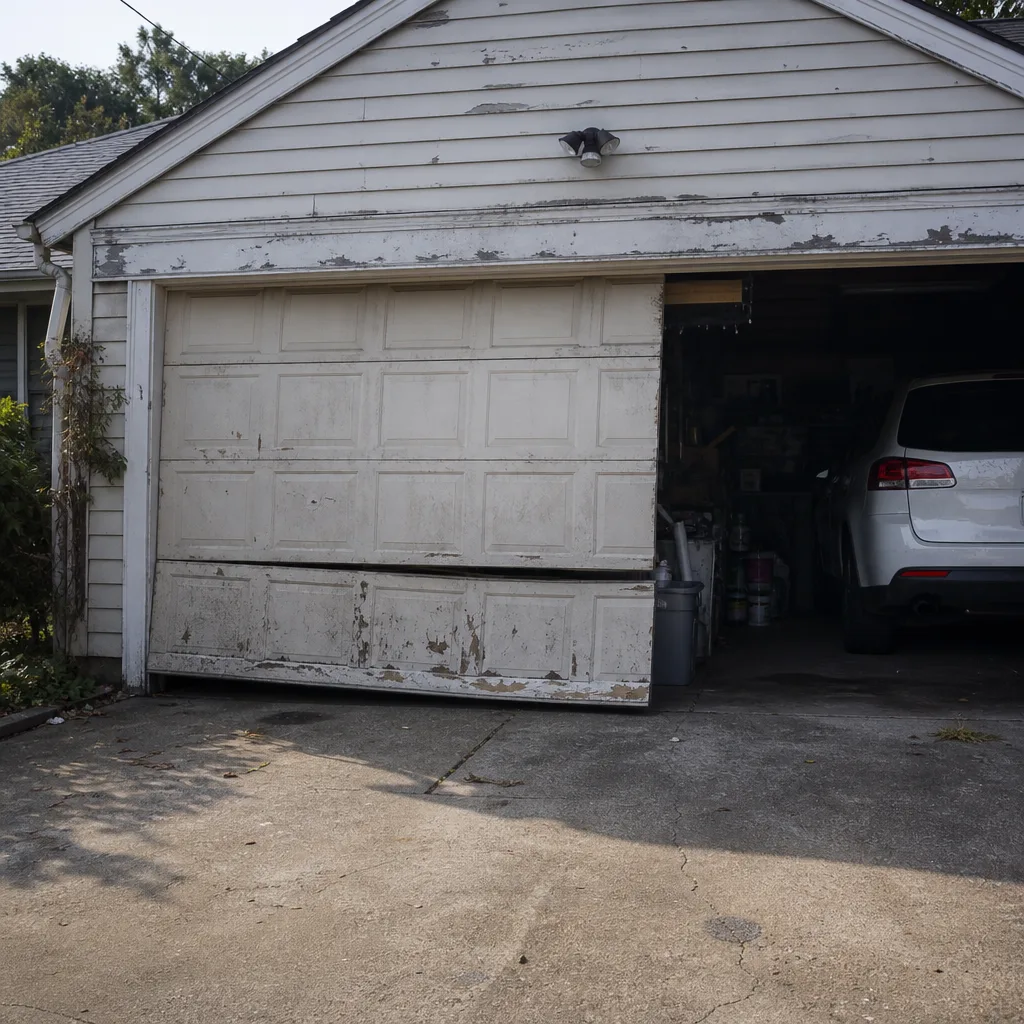 Before
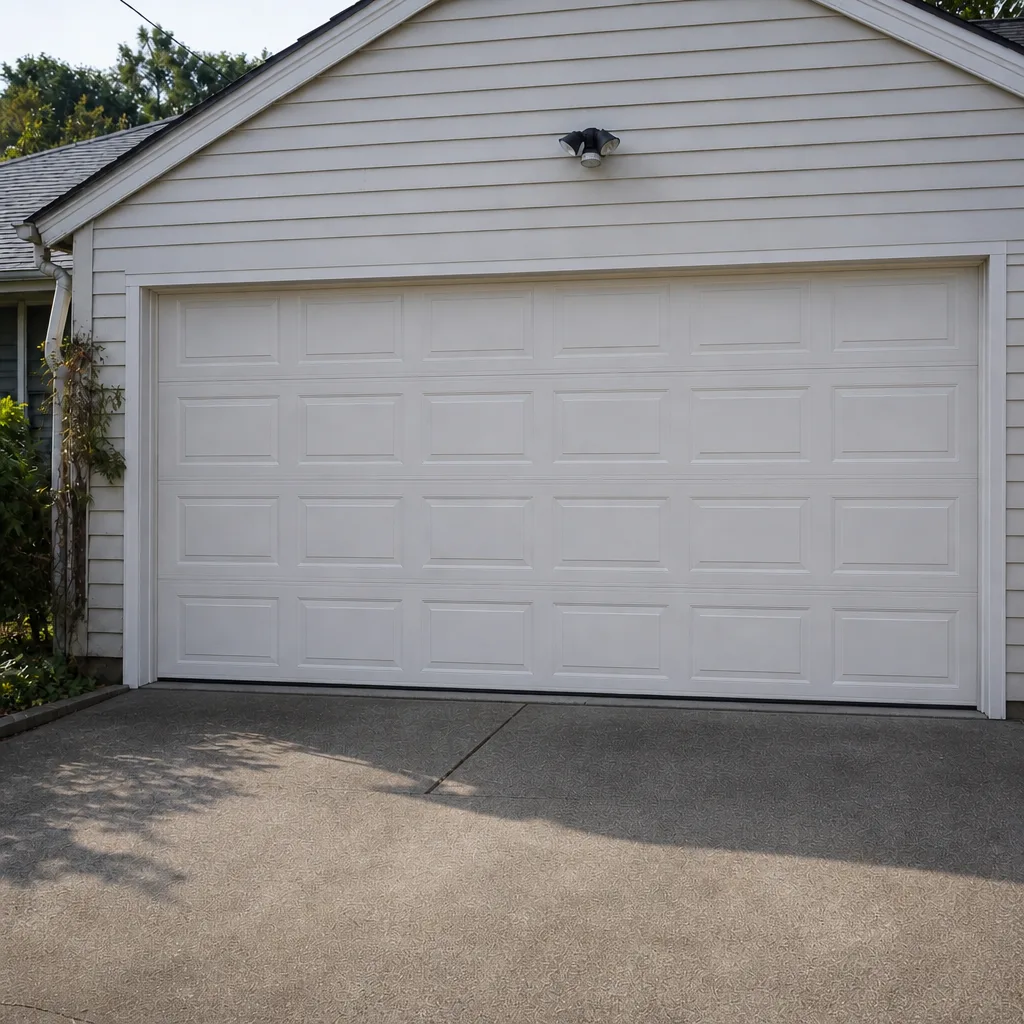 After
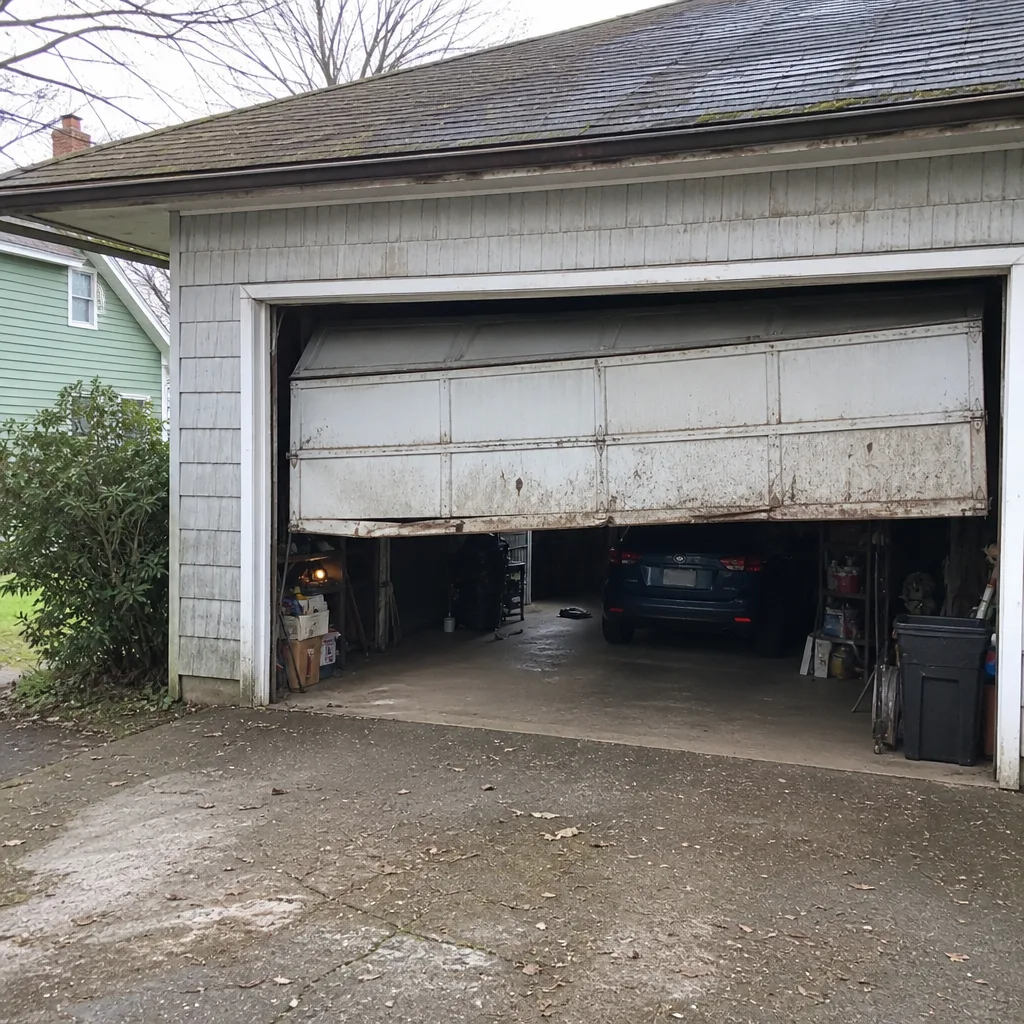 Before
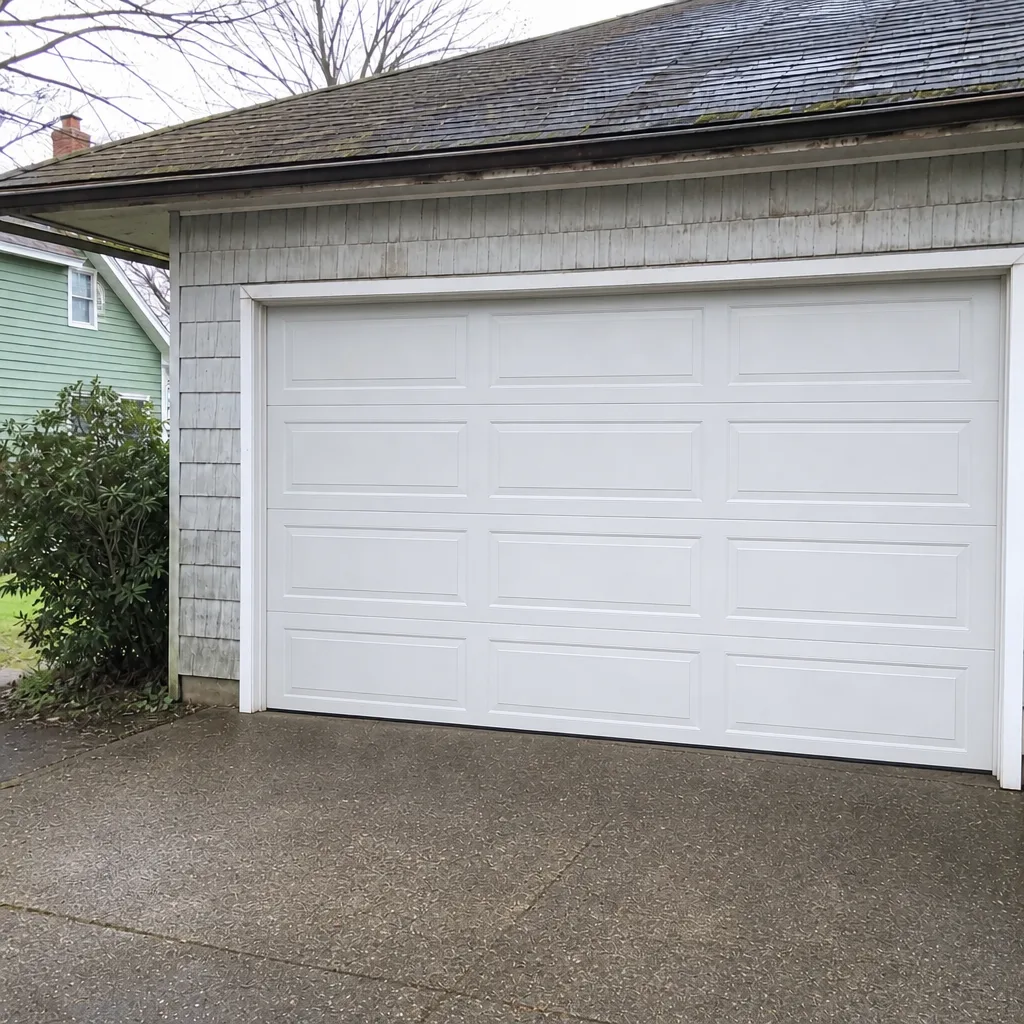 After
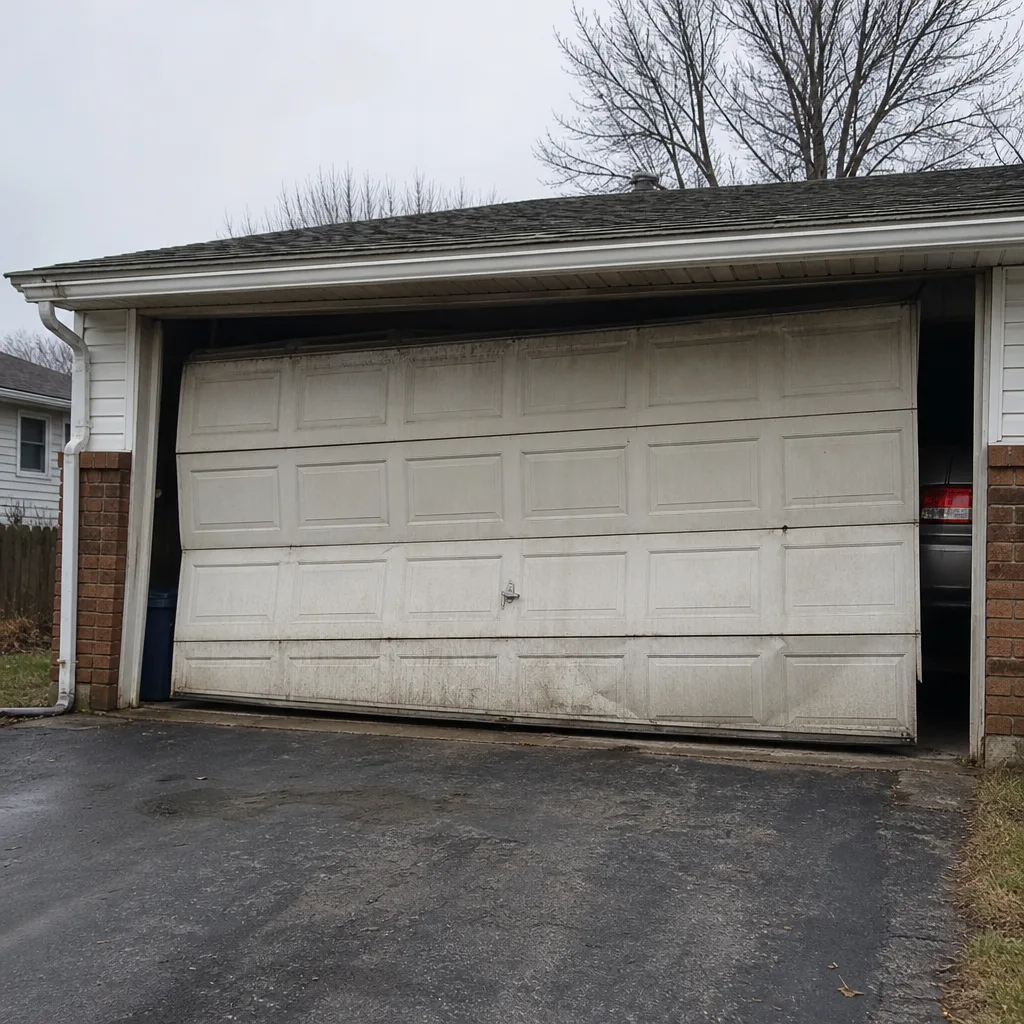 Before
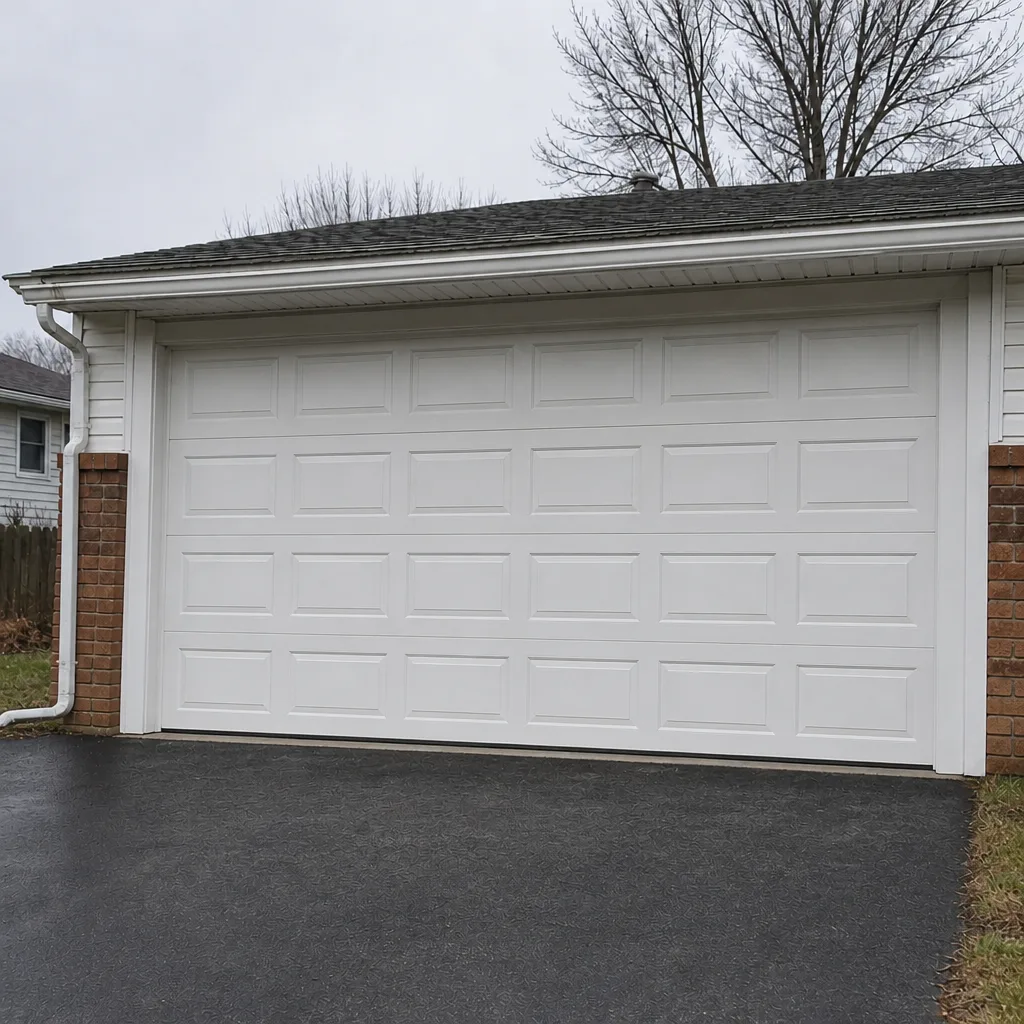 After
When to Call a Professional
Call a technician when the door is out of balance and drifting, when you see a frayed or slack cable, when a spring is noisy or visibly stretched, when the door comes off the track, or when the opener grinds and reverses on its own. Those are the scenarios where DIY risk outweighs any savings, and where an expert diagnosis saves both time and money. Since garage doors are all we do, we work on the brand you already have – a Wayne Dalton, Craftsman, or Raynor door gets the same attention as a newer LiftMaster system. Bramley Garage Door Repair offers free estimates in Middletown – call (877) 492-2037.
Frequently Asked Questions
Every two to four months, with a light coat on the torsion bar, hinges, and roller bearings. Middletown’s seasonal swings are the reason: a fresh coat in late fall carries the door through the cold, and a spring pass handles the humidity. Don’t overdo it – a light coat is all it takes. Call (877) 492-2037 if you want a professional to check the door and lubricate it for you.
No. Spring tension adjustment is not a DIY task, and it’s the most common source of garage door injuries. The springs carry enough stored energy to do real harm, and releasing that tension without the right tools and training is genuinely dangerous. Stop using the door and call a trained technician.
Quiet and even: a soft hum from the opener with a steady, smooth glide from the door. If you hear a gummy, thick rumble after lubricating, you’ve over-lubricated, and grit is turning the grease into a paste. Wipe it down and apply a lighter coat.
Before the first hard frost reaches the Connecticut River Valley, which is usually sometime in late fall. That’s the window for a lubrication pass, a fresh bottom seal, and a safety-reverse test while the weather is still mild. Handle it before the cold settles in and you’ll avoid the calling around in a snowstorm.
Likely yes. Our technicians work with the hardware in front of them across LiftMaster, Chamberlain, Genie, Clopay, Amarr, Wayne Dalton, Craftsman, and Raynor, so the door you have is the door we know. If you’re not sure of the brand, a technician can identify it on the first visit.
It depends on the job, and the written estimate is the price – the number we quote is the number you can expect. Spring repairs, opener work, and roller replacements are all quoted upfront before any work starts. Bramley Garage Door Repair offers free estimates in Middletown, and you can call (877) 492-2037 for an exact quote.
The Bottom Line
Most garage door failures trace back to a handful of parts that needed attention months earlier – dry rollers, a tired spring, a seal that let in cold air. The checklist here is built for Middletown’s seasons: monthly visual checks, lubrication done right with the correct products in the correct order, a seasonal balance and safety test, and pre-winter prep before the Connecticut River Valley frost. The most important line is the one around spring and cable work: leave that to a professional. Everything else you can handle with a rag, a ladder, and a few minutes. And if you’d rather have a specialist go through it with you, call us – a free estimate will tell you exactly where the door stands.
Contact
If your door is out of balance, a spring is noisy, or you’ve spotted frayed cables, don’t wait for a breakdown on a morning you need to leave. Call Bramley Garage Door Repair at (877) 492-2037 for a free estimate. We’ll work with the brand you already have and give you a clear picture of what your door needs next.
Written by the team at Bramley Garage Door Repair.