Last updated November 22, 2026
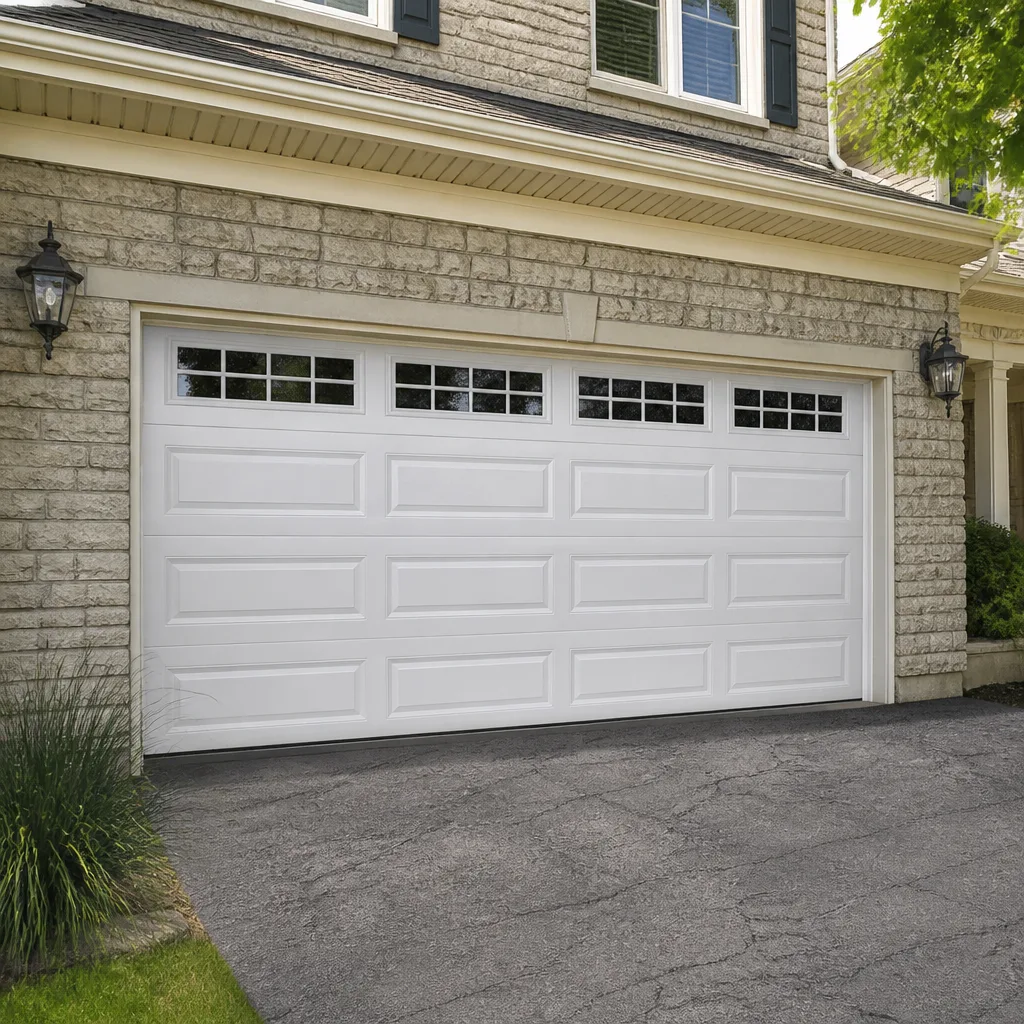 Raised-panel steel
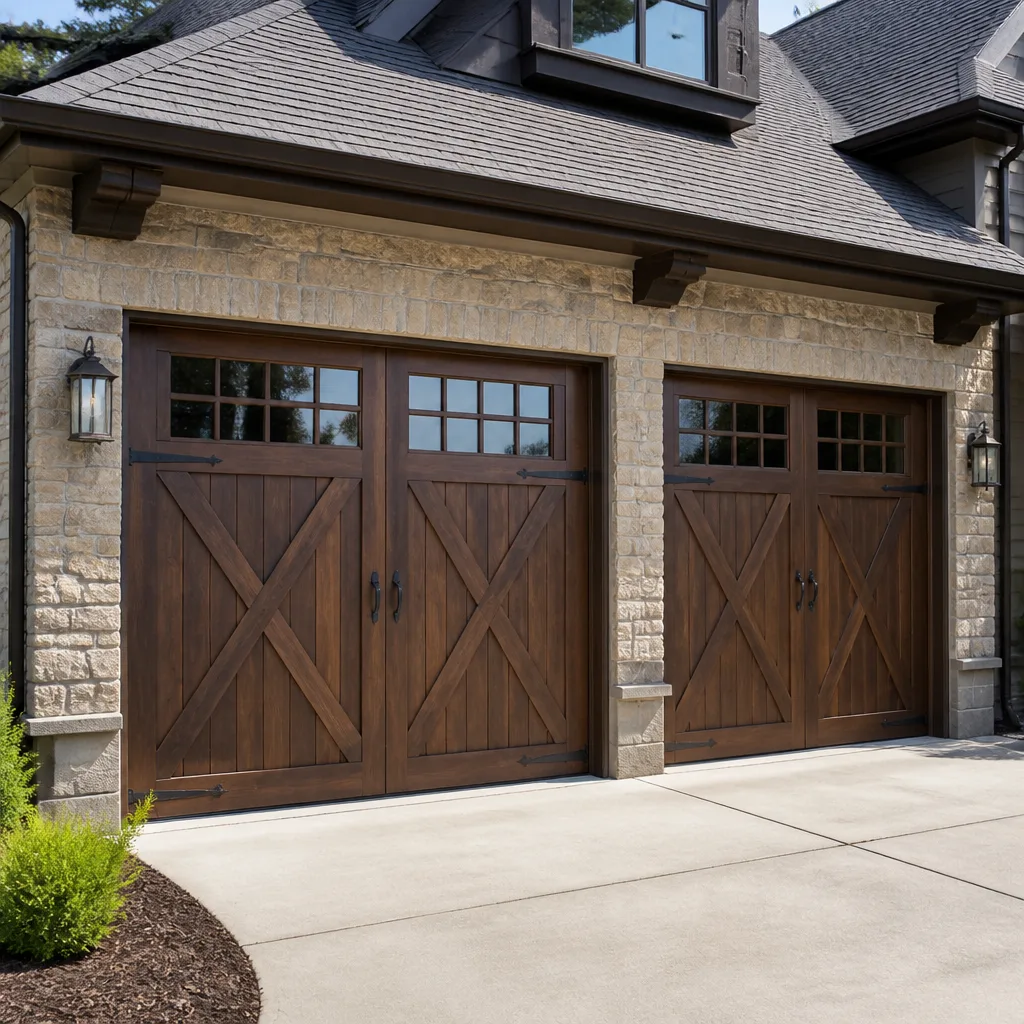 Carriage house
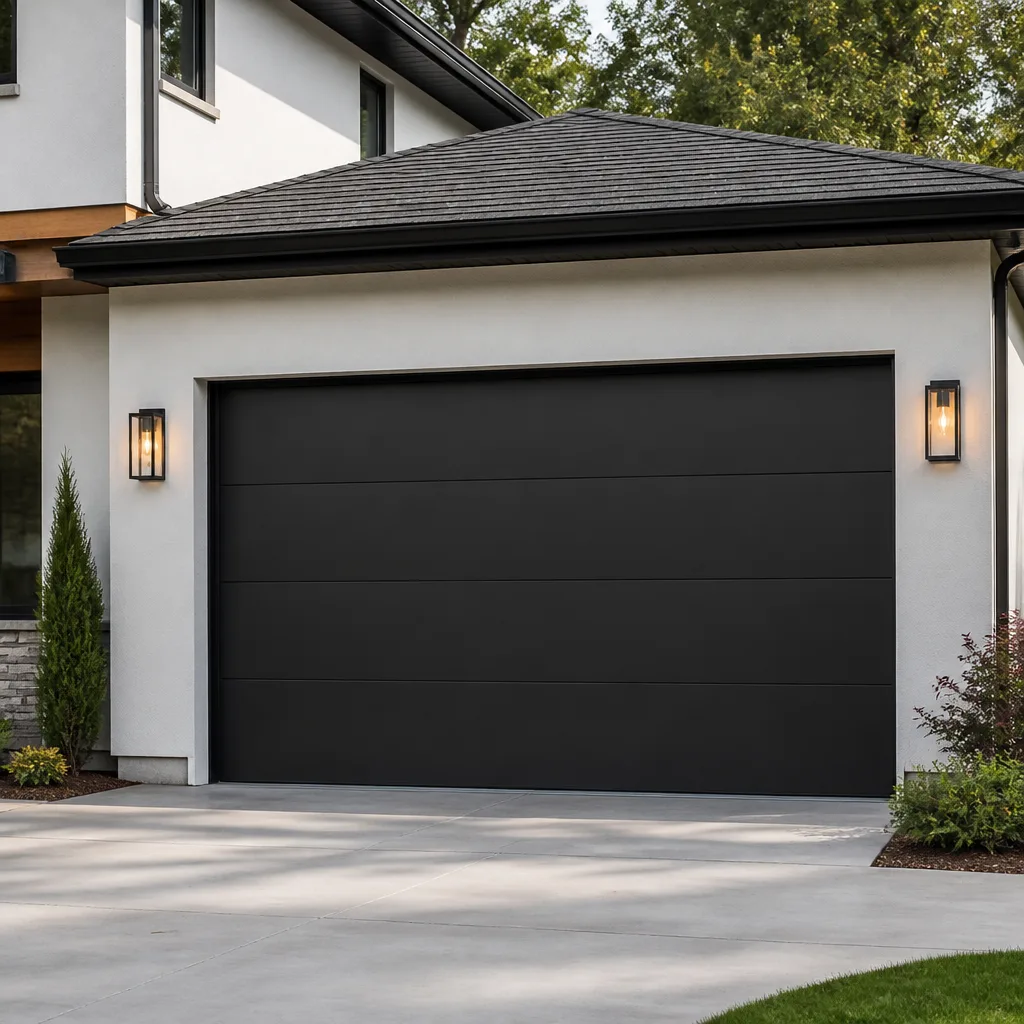 Modern flush
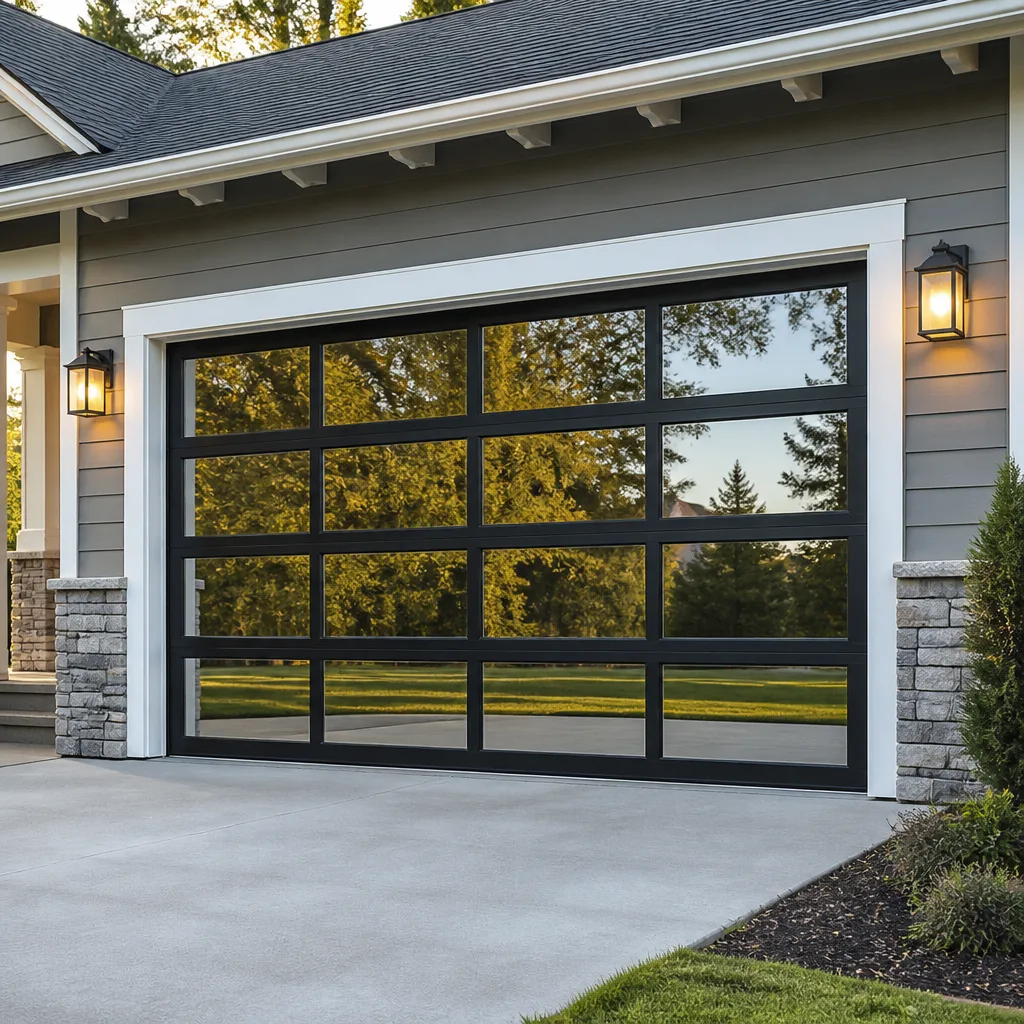 Full-view glass
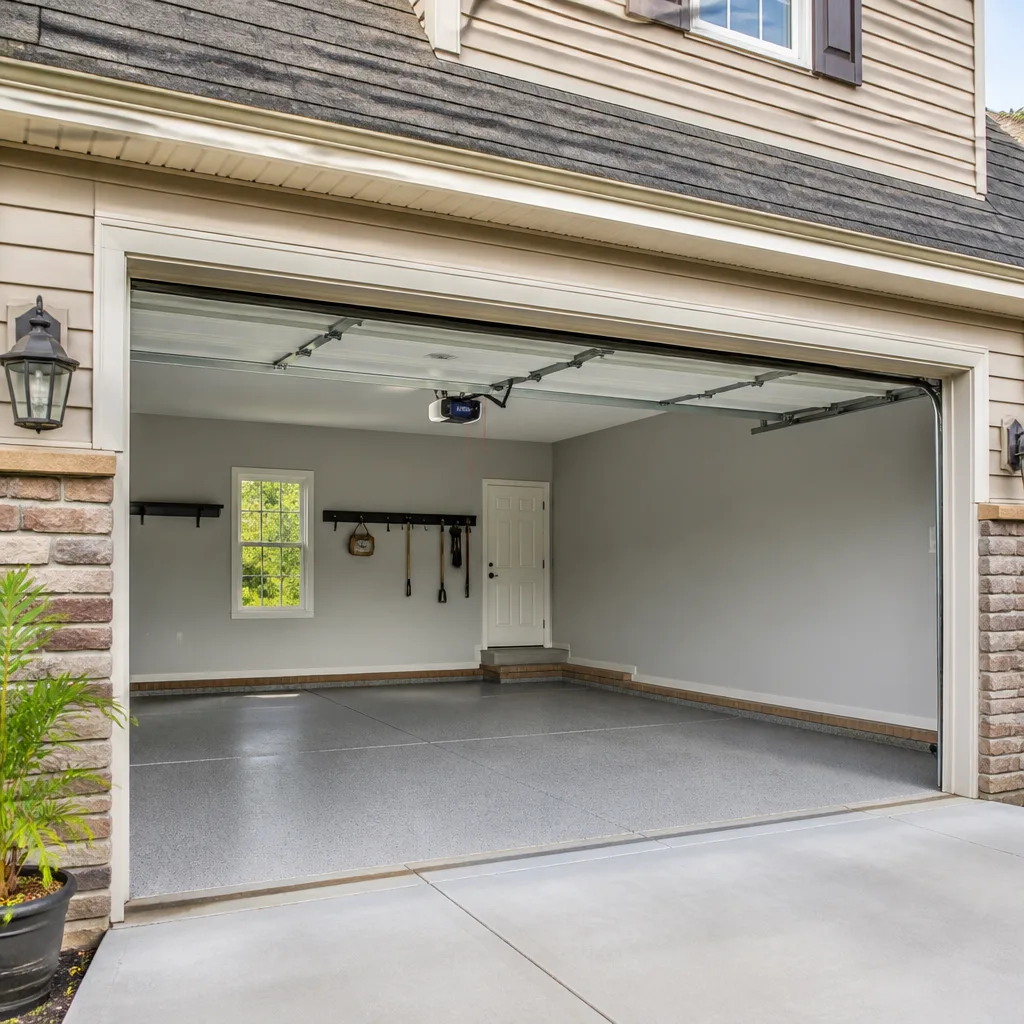 LiftMaster openers
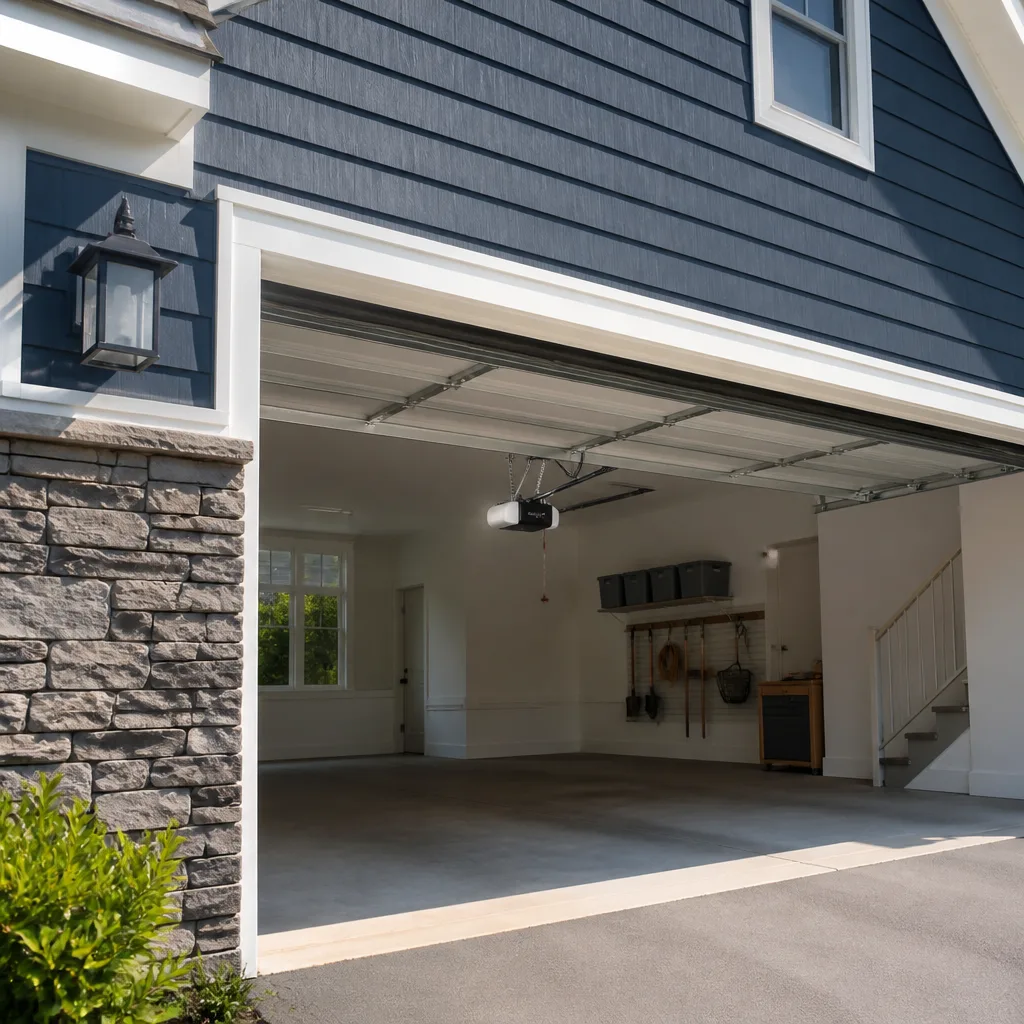 Chamberlain openers
Full 25-point door and opener safety check with every visit - springs, cables, rollers, tracks, and your LiftMaster or Chamberlain opener included
You get a price before we start. It does not change when the pro arrives.
Get your free estimateHow to Hire a Garage Door Contractor in Middletown: A Step-by-Step Guide
Most homeowners vet their garage door contractor less carefully than they vet a restaurant. They check the menu, maybe the parking, but they don’t ask the questions that actually predict a good outcome. Then the quote grows by the time the job wraps, or a part fails a few months in and nobody returns the call. Hiring a garage door contractor in Middletown isn’t about finding someone licensed. It’s about knowing the right questions to ask before they’re standing in your driveway, because that’s the moment you lose all negotiating leverage. This guide walks you through the questions, the red flags, and the paperwork so you can compare quotes fairly and know exactly what you’re buying.
Quick Answer
To hire a garage door contractor in Middletown, verify Connecticut contractor registration through the state’s online license lookup before you call, ask questions that reveal real garage door expertise (spring types, opener drive systems, brand-specific parts), and demand a written quote that names the brand and model of every part. Compare quotes line by line, not by total price, and read the warranty terms for what they actually exclude. A quote without brand and model specifics is a guess, not an estimate.
Styles & brands we work with
- Raised-panel steel
- Carriage house
- Modern flush
- Full-view glass
- LiftMaster openers
- Chamberlain openers
Table of Contents
- Why Hiring Right Matters in Middletown
- How Do You Verify a Contractor’s License in Connecticut in Under 60 Seconds?
- Which Questions Reveal Whether a Contractor Knows Garage Doors?
- What Are the Red Flags Unique to Garage Door Contractors?
- How Do You Compare Quotes When Every Invoice Lists Parts Differently?
- What Should a Written Warranty Actually Contain?
- How Do You Decide Between Repair and Full Replacement?
- Why Spring Work Is the Safety Line You Should Never Cross Yourself
Why Hiring Right Matters in Middletown
A garage door sits through every season central Connecticut throws at it. That means summer humidity that swells wooden panels, fall leaves that jam tracks, and freeze-thaw cycles in January that work on every metal fitting and hinge. Middletown sits along the Connecticut River, and the damp air that rolls up the valley doesn’t just fog the windows. It gets into the steel parts of a garage door system and starts the long, slow work of rust. A contractor who works here regularly knows which parts fail first in this climate. That local knowledge matters more than a slick website.
Housing stock in Middletown is varied. You have older homes near Wesleyan University and the downtown core, where an attached garage might have been added decades after the house was built. You have newer construction out toward the edges of town, with standard insulated doors and belt-driven openers. The age of the house tells you a lot about the door. Older doors often run on extension springs mounted above the tracks. Newer doors almost always use torsion springs on a shaft. A contractor who can look at your setup and name the spring type and the likely failure point within a couple of minutes knows the trade. One who squints and shrugs doesn’t.
How Do You Verify a Contractor’s License in Connecticut in Under 60 Seconds?
Connecticut requires home improvement contractors to register with the state Department of Consumer Protection. You can confirm any contractor’s registration by searching the department’s online license lookup by name or registration number. The whole search takes less than a minute, and it’s the single fastest filter you can apply.
When we walk a Middletown homeowner through this, we suggest checking a few specific things on the result page:
- The exact business name. If the person in your driveway hands you a card with a different name than the one on the registration, ask why. Subcontracting is common, but the person doing the work on your home should be traceable.
- Active status. Lapsed, expired, or suspended registrations mean the contractor isn’t currently cleared to work in Connecticut.
- The registration number, printed on the written contract. Anyone legitimate won’t blink when you ask for it.
Ask for a certificate of insurance too. Registration covers the business being allowed to work. Insurance covers what happens if something goes wrong on your property. Those are two different documents, and you want to see both.
Don’t rely on what’s printed on the truck. Anyone can rent a magnetic sign. The state database is the only source that matters, and it’s free.
Why This Step Comes First
The reason to check before the visit, not after, is simple. Once a contractor is in your home measuring your door and talking numbers, the social pressure to be agreeable is real. You want the paperwork verified while you’re still anonymous, sitting at your kitchen table with a phone. Anything you find wrong at that point, you can walk away from without an awkward conversation. Once they’re standing in your driveway, that leverage is gone.
Which Questions Reveal Whether a Contractor Knows Garage Doors?
The difference between a generalist and a garage door specialist shows up in the details. A handyman can install a door. Not all of them can diagnose a grinding opener or a door that reverses for no obvious reason. Here are questions that separate the two, along with what a strong answer sounds like.
- “What spring type do I have, and how can you tell?” A specialist will glance at the shaft above the door. Torsion springs run horizontally on a shaft; extension springs stretch parallel to the tracks on either side. Someone who can’t tell without opening a manual is a risk.
- “What brand is my opener, and does your repair use OEM parts or generics?” Openers from LiftMaster, Genie, and Chamberlain all use different logic boards, gear sets, and remotes. A contractor who stocks and works with real parts from those brands can fix the actual unit. A generic workaround often fails fast.
- “How do you balance a door, and why does that matter?” A properly balanced door stays at roughly waist height when you lift it halfway and let go. If it drifts up or down, the springs are mismatched or the tension is wrong. Any tech who doesn’t bring this up is skipping a core diagnostic step.
- “Can you work on my brand specifically?” Clopay and Amarr doors, for example, have characteristic panel and hinge designs. A contractor familiar with both won’t troubleshoot by trial and error.
- “What does the safety reverse test look like?” Every garage door has an auto-reverse system. Every tech should test it before and after any repair. If they don’t know how, they don’t do it.
When you’re talking with a contractor by phone, these questions land quickly. The answers tell you whether you’re hiring a garage door specialist or someone who’s about to learn on your door. At Bramley Garage Door Repair, we work on the brand you already have, which means the questions above are the ones we ask ourselves on every call.
What Are the Red Flags Unique to Garage Door Contractors?
Every trade has its own warning signs. Garage doors have a few specific ones that most homeowners don’t know to look for.
- Vague parts sourcing. “We’ll use a spring that fits” is not an answer. A real quote names the spring’s wire gauge, length, and cycle rating. Springs last a set number of cycles (cycles are one open-and-close), so a bargain spring rated for fewer cycles is a false economy.
- Cash-only spring replacements. Spring work is the most common garage door job, and it’s also the one where fly-by-night operators migrate. If the quote only works in cash, with no paper trail, no written warranty, and no receipt beyond a scribble, walk.
- Quotes without brand or model. If a quote says “opener replacement” without naming the model, you don’t know whether you’re getting a basic chain drive from Genie or a higher-end belt drive from LiftMaster. You also can’t compare it fairly to competing quotes.
- No diagnostic visit. A quote over the phone without a walkthrough can only be a wild guess. A door off-track, a stripped gear, and a burned-out logic board all present differently. Anyone who quotes a fix without looking hasn’t diagnosed anything.
- Pressure to sign on the spot. The only urgency in garage door work is real urgency: the door won’t close and your house is open. Everything else can wait a day for you to decide, and any contractor who won’t give you that day is worth questioning.
- No mention of safety testing. Auto-reverse sensors and the torsion spring’s safety cable are not optional. Every repair should end with a documented safety test.
None of these flags alone is fatal. A contractor who hits two or three together is a problem.
How Do You Compare Quotes When Every Invoice Lists Parts Differently?
Comparing garage door quotes by total price is like comparing restaurant menus by the final check. It tells you something, but not what you need. One contractor’s $X total might include a higher-cycle spring and a new center bearing plate. Another’s lower total might use a shorter-cycle spring with the old bracket reused. Both numbers look fine side by side, but only one is a good deal.
The way to compare is to break each quote into the same categories and fill in the blanks. Here’s what to put in each column.
- Part specifics: Brand, model, spring wire gauge, cycle rating, opener type (chain, belt, screw, direct drive), and whether remotes and wall buttons are included.
- Labor scope: Is the price flat or hourly? If hourly, what’s the estimate for total time, and will the work be paused if a part needs to be ordered?
- Disposal: Is removal of the old door, spring, or opener included? Often it isn’t, and there’s a separate fee at the end.
- Warranty on parts vs. warranty on labor: These are different, and you need both in writing.
- Exclusions: Anything in a garage door quote that starts with “does not include” should be read twice.
Once you’ve filled in the same categories across two or three quotes, the differences pop out. The cheapest quote often reveals itself as the shortest-cycle spring, a generic opener, and a “does not include” disposal fee. The most expensive quote sometimes has the same parts as the middle one plus a markup.
Comparing on Time as Well as Money
For an installation or full replacement, ask when the contractor can start and how long the job will take. For a repair, ask whether the specific part is something they’ll have to order. A spring that has to be ordered adds days to a job a lot of homeowners assume is same-day. For repairs that can’t wait, same-day and emergency response matters, and it’s one of the reasons we run emergency garage door service as a real service line rather than an upsell. But on a replacement, the planning timeline is the timeline, and a contractor who promises unrealistic speed on an installation is overselling.
What Should a Written Warranty Actually Contain?
Most garage door warranties don’t cover what homeowners assume they do. A “lifetime warranty” on a spring, for example, means the spring will be replaced for free if it breaks within a defined cycle count. It usually does not mean free labor to install the replacement. That’s the single most misunderstood term in the trade, and it’s worth checking line by line before you sign.
A written warranty should say, in plain language:
- What’s covered. Parts, labor, or both. Be specific by part category: springs, opener components, panels, hinges, rollers, and track.
- Length of coverage. Parts and labor warranties often differ, and they may differ by part. Note each separately.
- What voids the warranty. Common exclusions include work by another contractor, damage from misuse or impact, and cosmetic wear. Know these before you sign.
- Who honors it. If a warranty is backed only by the manufacturer, you’ll need to go through the manufacturer’s process, which may not include a technician to your door. If it’s backed by the contractor, you know who to call.
- How to make a claim. A phone number, an email, and a defined response process. A warranty with no claims path is a piece of paper.
Ask each contractor to send their written warranty terms before the visit. Any contractor who won’t is telling you something. Ours are part of the estimate pack so you can compare them alongside the pricing.
How Do You Decide Between Repair and Full Replacement?
The repair-or-replace decision comes down to a handful of questions. Age matters, but so does the physical condition of the door, the frequency of repairs, and how well the current system fits how you use the garage.
- How old is the door, and how many repairs has it had? A door that needs a new repair every few months is often further along than its age suggests.
- Are the panels and frame sound? Dents, cracks, or rot in the panels push the calculus toward replacement. A cracked panel on a 15-year-old door is often a replacement, not a patch.
- Is the opener original to the door? An old opener paired with a new door is a problem waiting to happen. Openers, like doors, have a service life, and a matching pair installed together tends to work together longest.
- Are your springs nearing the end of a cycle count? Springs break without warning when their cycle rating runs out. If your door is on its last set and the panels are also worn, replacement is worth considering.
- Do you want the door to do something the current one can’t? Insulation, a quieter opener, or smart-home integration are common reasons a working door still gets replaced.
For repair-specific guidance on what a typical fix involves, our garage door repair page covers the diagnostic walkthrough we do on every call. For opener issues, garage door opener repair details the drive systems we work on, including LiftMaster and Chamberlain smart units.
Why Spring Work Is the Safety Line You Should Never Cross Yourself
Garage door springs are under extreme tension. A torsion spring stores enough energy to seriously injure or kill if it releases unexpectedly. An extension spring without a safety cable through its center can whip freely if it fails. That’s not a warning we add as a liability hedge. It’s the reason spring work is the one garage door repair we strongly recommend against attempting on your own.
This matters when you’re choosing a contractor, too. Ask whether the person doing the work has done spring work before, and how often. Spring sizing has to match the door’s weight and dimensions precisely. A spring that’s slightly off in wire gauge or length will fail early or leave the door unbalanced. Any contractor who treats spring work as an easy add-on is not the one you want.
Spring repair is a named specialty at garage door spring repair because it’s the component most often mishandled in this trade. When a Middletown homeowner asks why we lead with it, the answer is simple. Get the springs wrong and the whole system suffers.
Common Mistakes to Avoid
- Hiring before verifying registration. A contractor who can’t produce a current Connecticut registration number isn’t allowed to do the work. Check the state database first. It’s what protects your home and your wallet.
- Accepting a phone quote without a walkthrough. A garage door needs a hands-on look. If a contractor quotes a fix over the phone without asking what brand of door you have or what your spring type is, you’re getting a guess, not an estimate.
- Comparing by total price only. A cheaper quote often means a shorter-cycle spring, a generic opener, or undisclosed disposal fees. Read every line.
- Not asking for the warranty in writing before the visit. Verbal promises disappear the moment you pick up the phone to file a claim. If the warranty isn’t on paper before you sign, assume it doesn’t exist.
- Skipping the safety test. Auto-reverse and balance are the two checks every repair ends with. If your contractor doesn’t test them, your door isn’t done.
- Assuming “lifetime warranty” means free labor. It rarely does. Springs often have a cycle-count limit on their part warranty, and labor is a separate line.
- Calling a generalist for a specialist’s job. Handymen can do plenty around the house. Diagnosing a misaligned torsion system or a stripped opener gear isn’t one of them.
See the difference
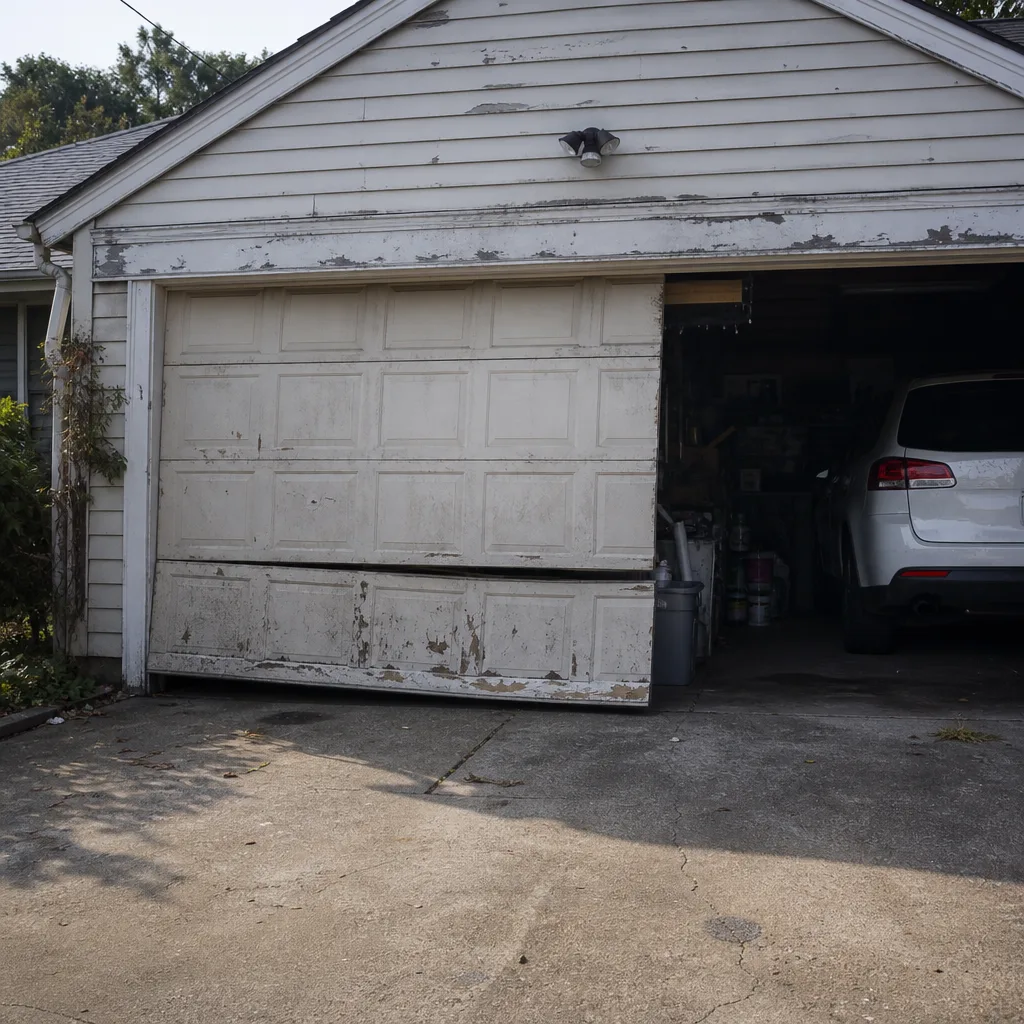 Before
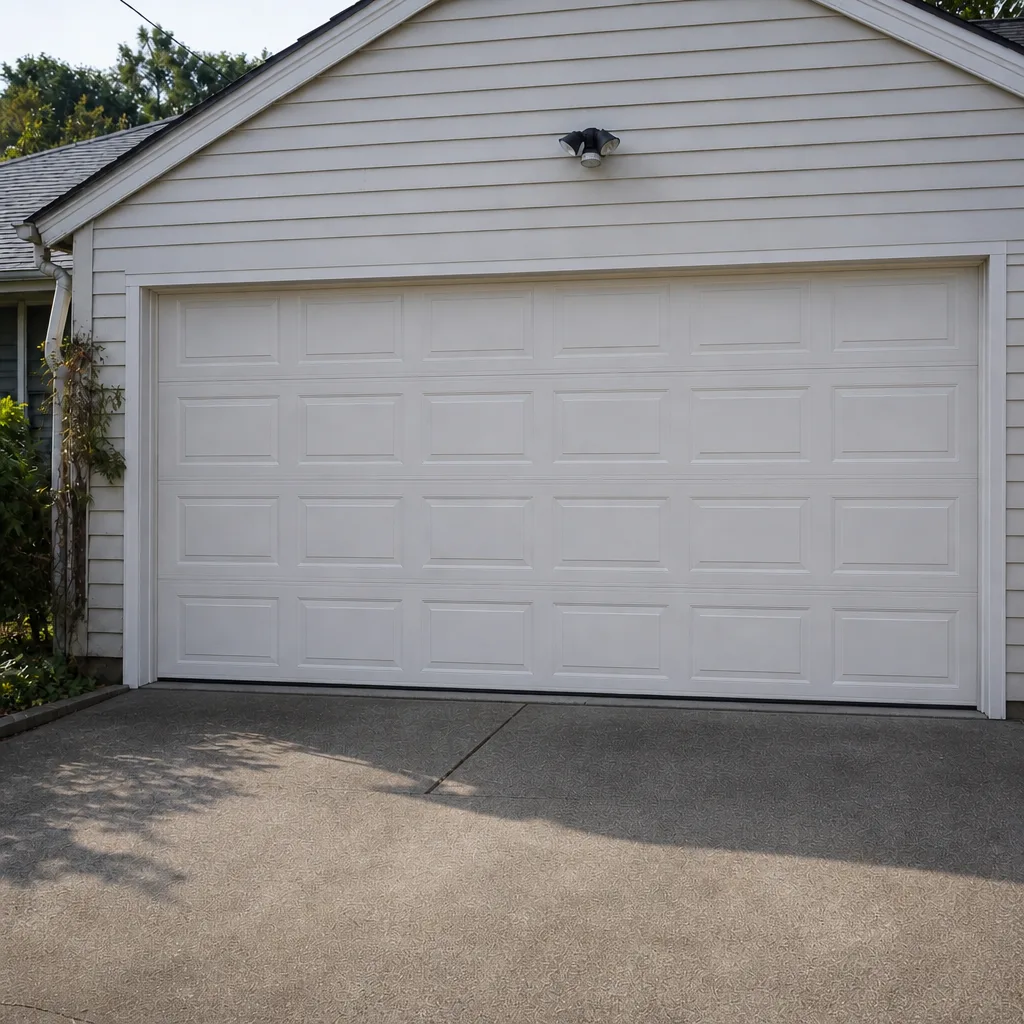 After
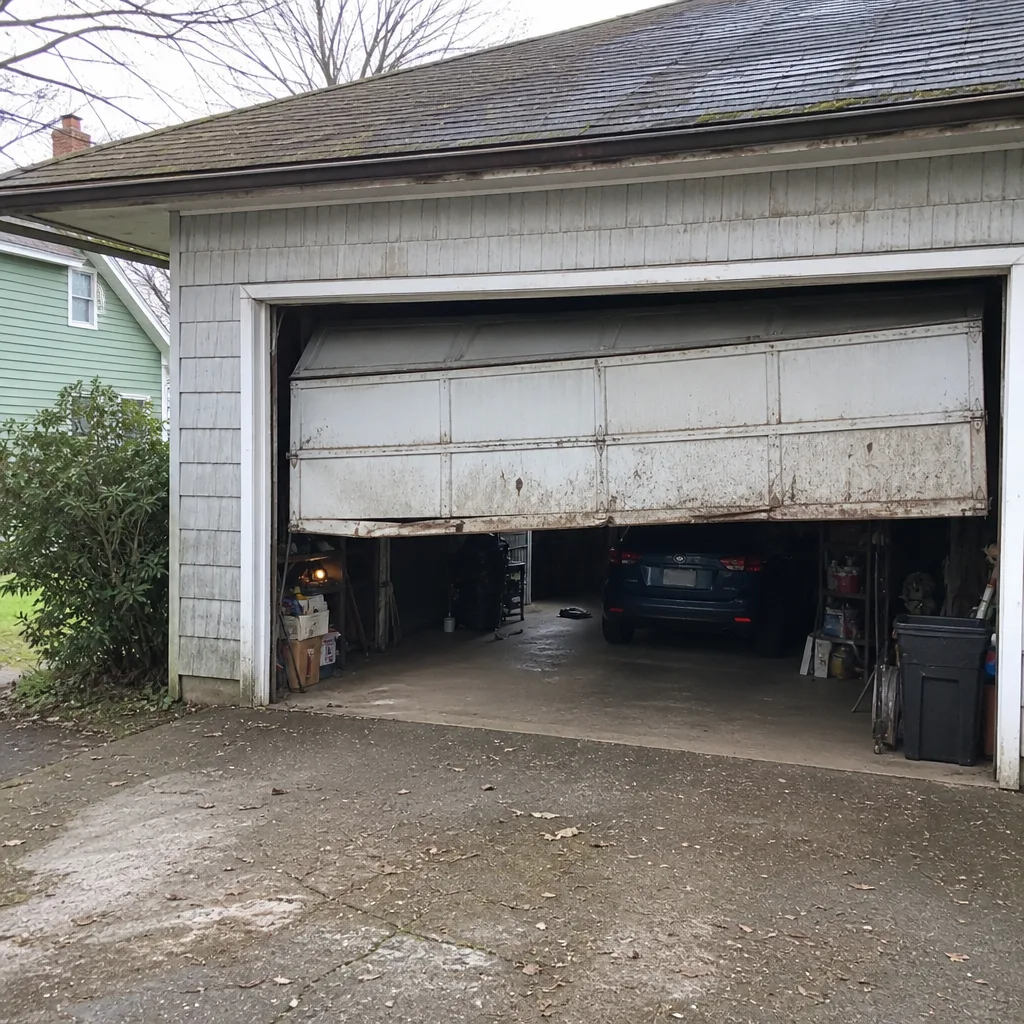 Before
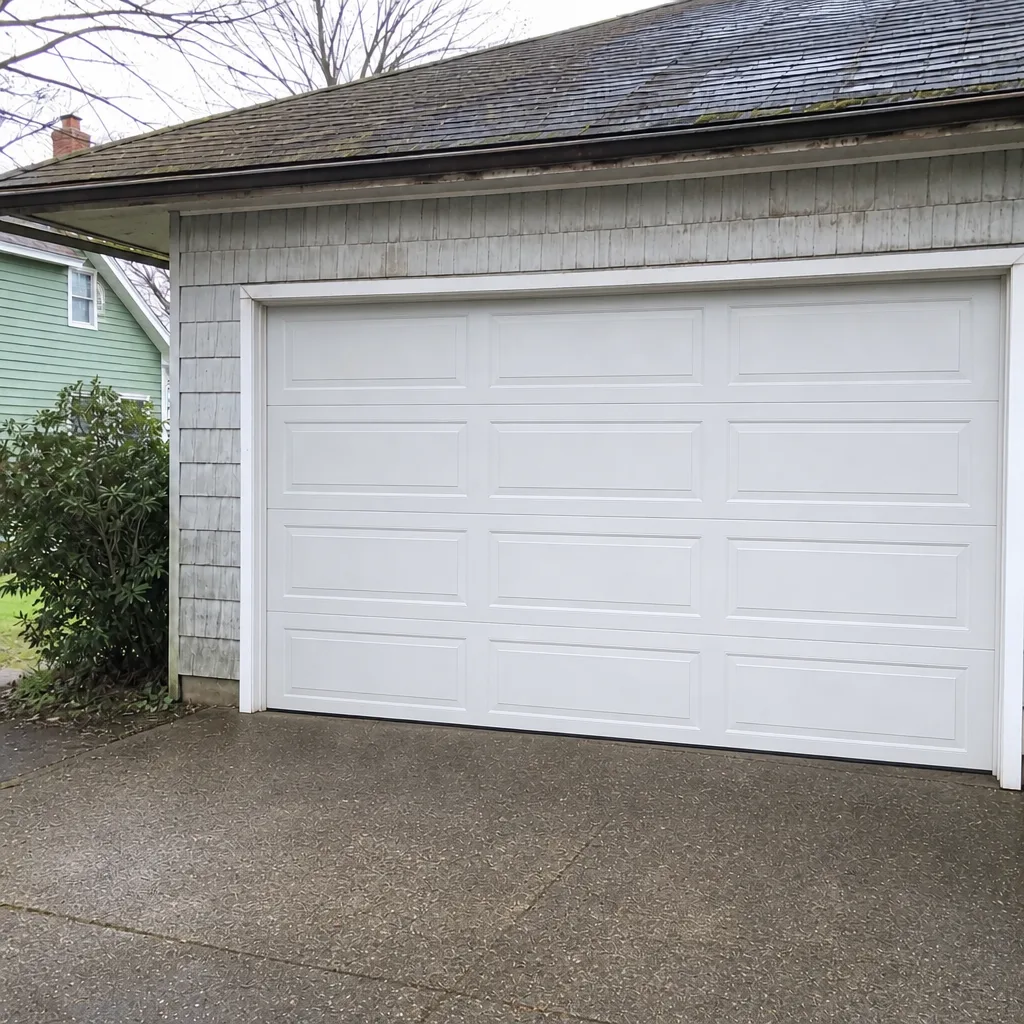 After
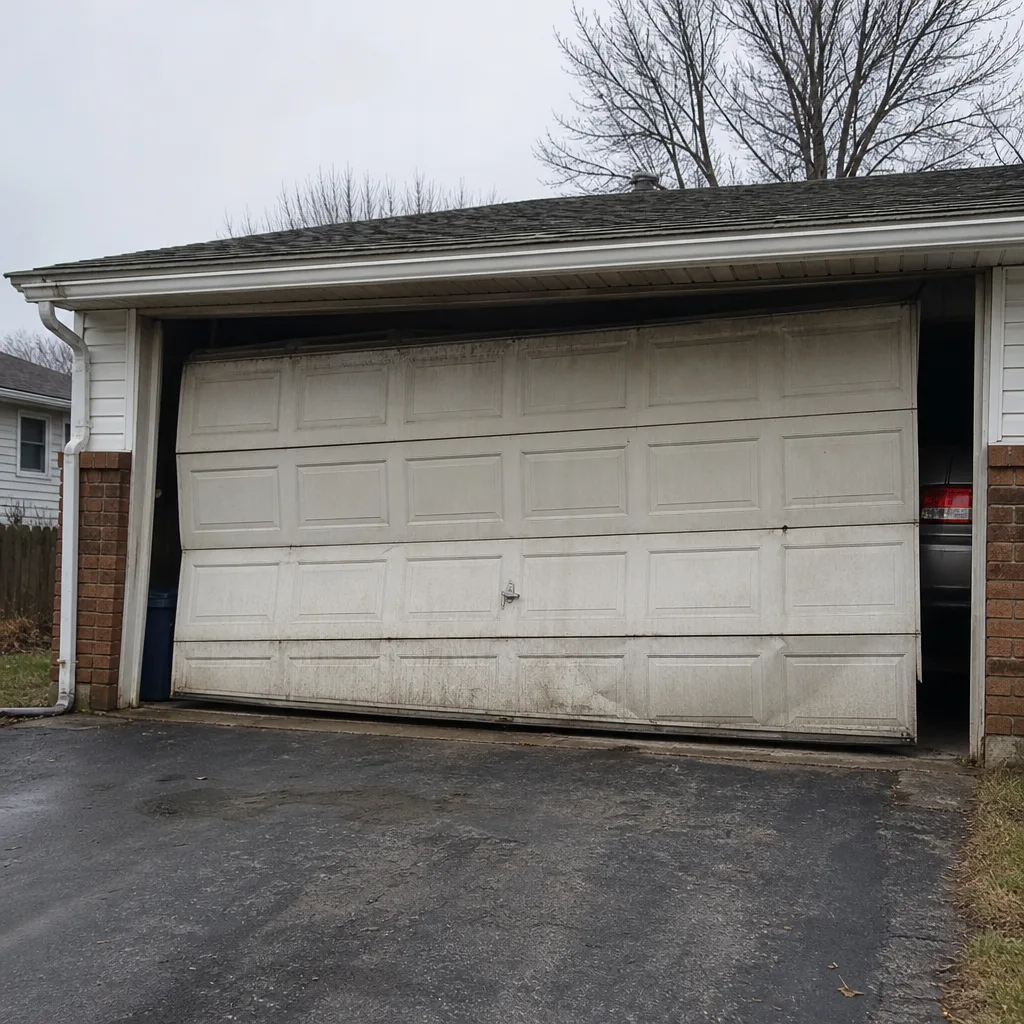 Before
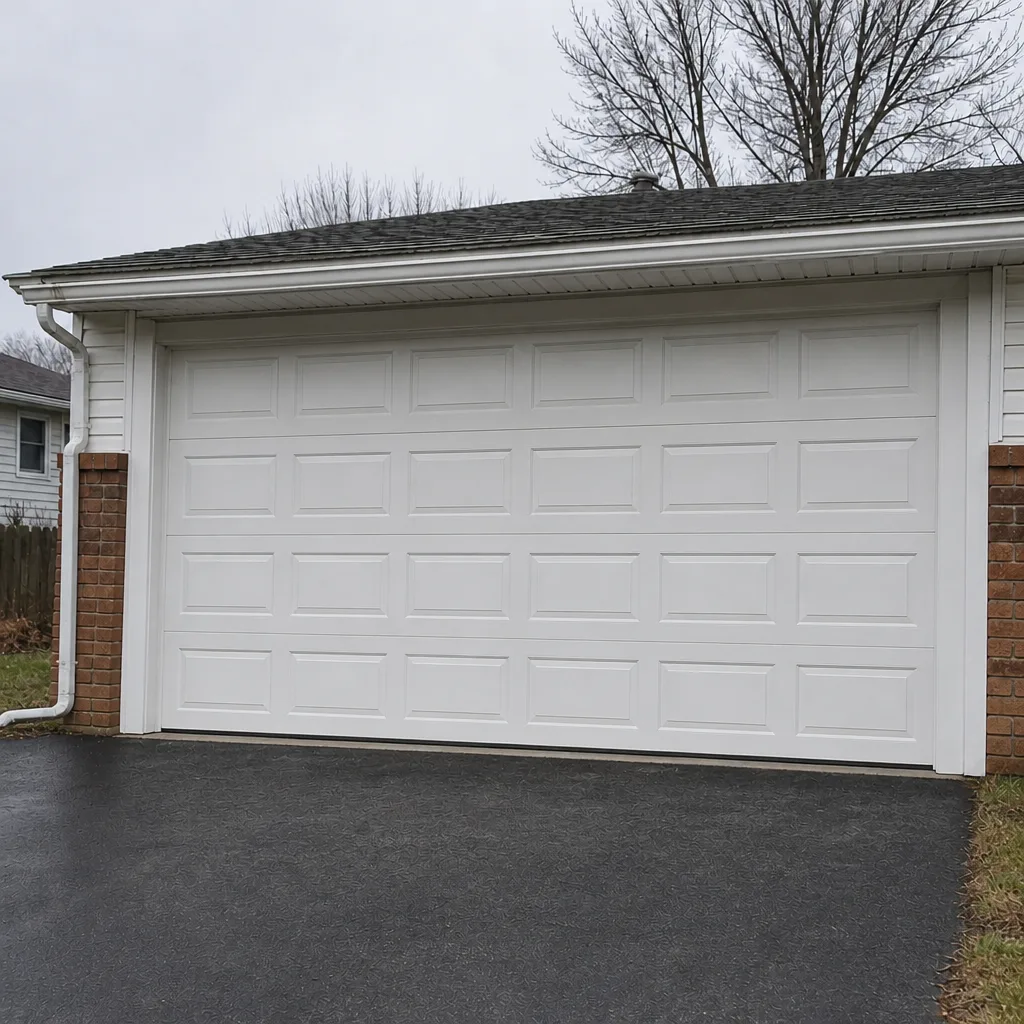 After
When to Call a Professional
Some garage door issues are obvious. The door won’t open. A spring has snapped. The opener runs but the door doesn’t move. Others are quieter and more dangerous: a door that grinds, one that reverses unexpectedly, or one that drifts down a few inches overnight. Broken springs, doors off their track, and openers that stop responding all belong on the professional side. If a door is stuck open and your garage is exposed, that’s the moment to call right away rather than schedule an appointment for later in the week. Our technicians have up to 11 years of experience, and we run emergency garage door service for exactly these situations. Bramley Garage Door Repair offers free estimates in Middletown; call (877) 492-2037 and we’ll walk you through what’s safe to do before we arrive and what isn’t.
Frequently Asked Questions
Search the Connecticut Department of Consumer Protection’s online license lookup by the contractor’s business name or registration number. The search takes under a minute and shows whether the registration is active. Ask for a certificate of insurance separately; registration alone doesn’t prove the contractor is insured.
Yes. Free estimates are standard on garage door repair in Middletown, and we offer them. A legitimate contractor walks the door, identifies the spring type, checks the opener, and leaves you with a written price before any work starts. If a quote only happens after work is underway, that’s not a free estimate.
Garage door repair pricing in Middletown falls into recognizable ranges by job type: spring replacement, opener repair, off-track re-alignment, and panel replacement each have their own ballpark. The exact number depends on your door’s weight, brand, and the parts needed. Ask for a written estimate that breaks down parts and labor, and treat any range without brand specifics as a starting point only. Call (877) 492-2037 for an exact quote; estimates are free.
Yes. Springs store a large amount of energy under tension, and a torsion spring release or an unsecured extension spring can cause serious injury. Connecticut spring work under tension needs specialized tools and training, and it’s the one repair we strongly recommend against attempting on your own. Even if you’ve done other garage door maintenance before, spring work is where specialists earn their keep.
Signs that point to replacement include repeated repairs on a single door, cracked or rotten panels, and a door and opener both nearing the end of their service life. Repairs are usually the right call when the panels and frame are still sound but a spring, opener, or track has failed. A trained technician can tell you within one visit which side of the line you’re on.
A written garage door warranty should specify which parts are covered, whether labor is included, how long each type of coverage lasts, what voids it, and who honors it. Springs often carry a cycle-count limit, and labor coverage on a spring replacement is frequently separate from the part. Ask for the warranty in writing before the visit and read the exclusions carefully.
Garage doors and openers are not interchangeable across brands. A LiftMaster opener uses different logic boards and remotes than a Chamberlain or Genie unit, and a Clopay or Amarr door has panel and hinge characteristics that affect repair options. A contractor fluent in the brand you have works with the actual hardware in front of them rather than adapting a generic fix. That’s why we work across eight of the most common residential brands, including LiftMaster, Chamberlain, Genie, and Clopay.
Yes, and many Middletown homeowners do exactly that. Spring replacement on its own is a common job, and it doesn’t require an opener repair or a new door. Ask for the quote to spell out what’s included (springs, safety cables, center bearing plate) and what’s excluded so you know exactly what you’re getting.
The Bottom Line
Hiring a garage door contractor in Middletown comes down to a handful of steps you can do in an afternoon. Verify the Connecticut registration before you invite anyone over. Ask questions that reveal real garage door expertise rather than general handyman competence. Watch for industry-specific red flags like vague parts sourcing, cash-only spring work, and quotes without brand or model specifics. Compare quotes line by line, not by total, and read the warranty for the exclusions most homeowners discover too late. Get every quote in writing before work begins, and remember that spring work is a safety line you should never cross yourself. Do those things and the driveway conversation stops being a negotiation. It becomes a straightforward job with a written price.
If you want to skip the research and start with a contractor who works on the brand you already have, call Bramley Garage Door Repair at (877) 492-2037 for a free estimate in Middletown. We cover the full range of garage door needs, from springs to openers to a full replacement, and we’ll leave you with a written quote before anything begins.
Written by the team at Bramley Garage Door Repair.