Last updated November 22, 2026
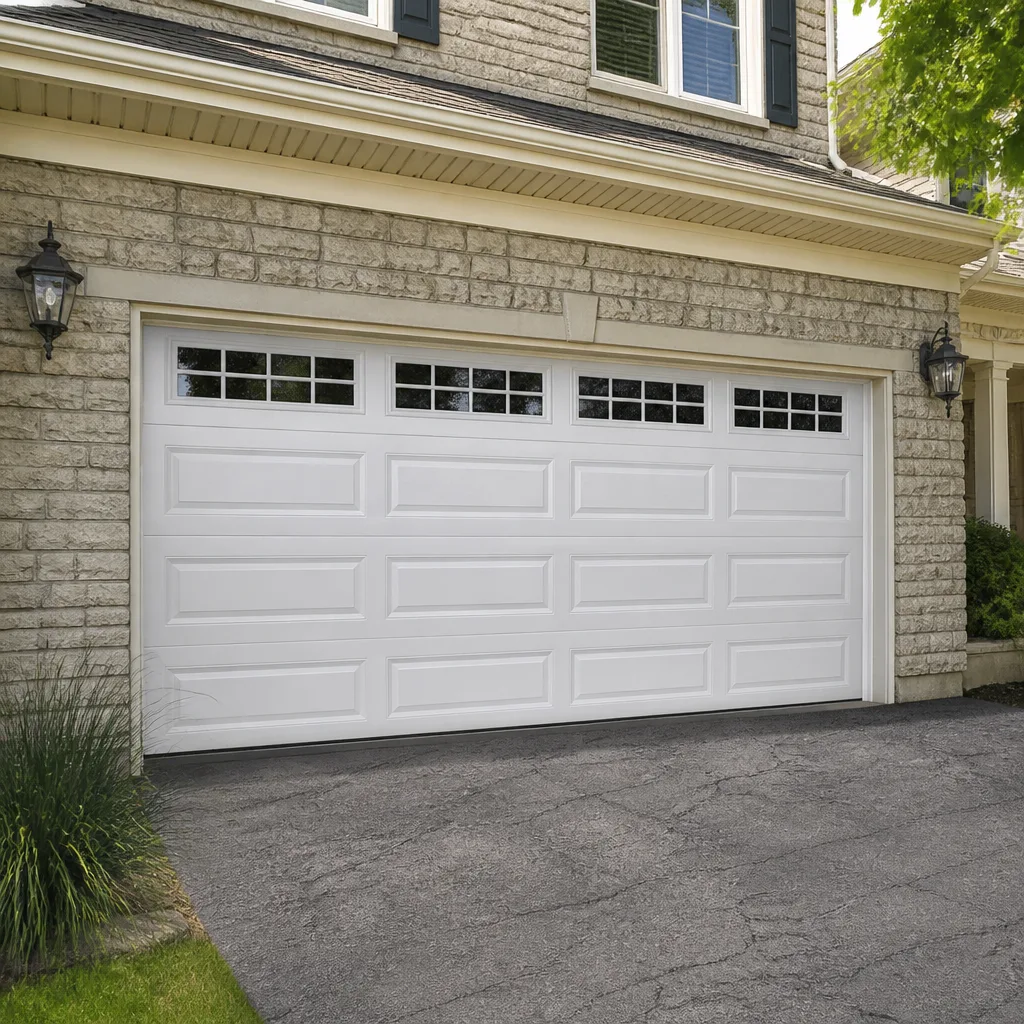 Raised-panel steel
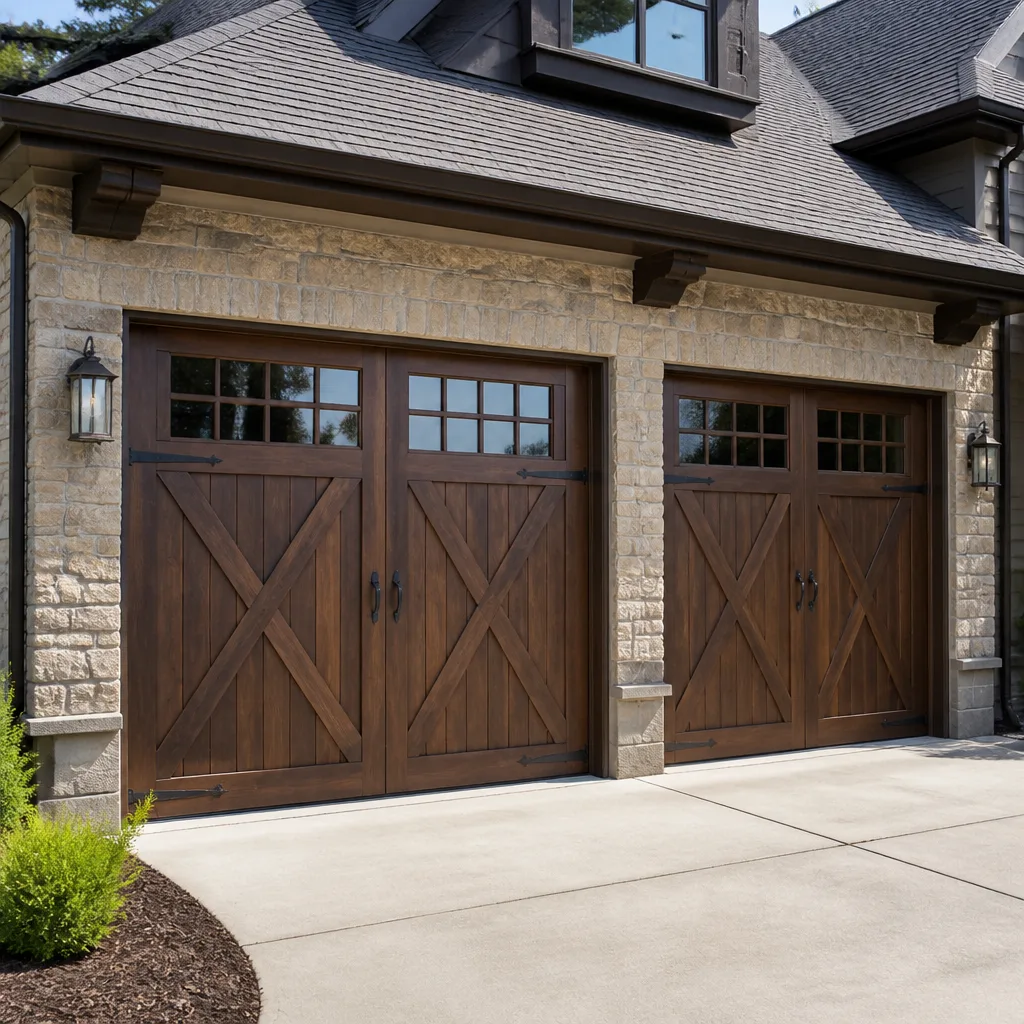 Carriage house
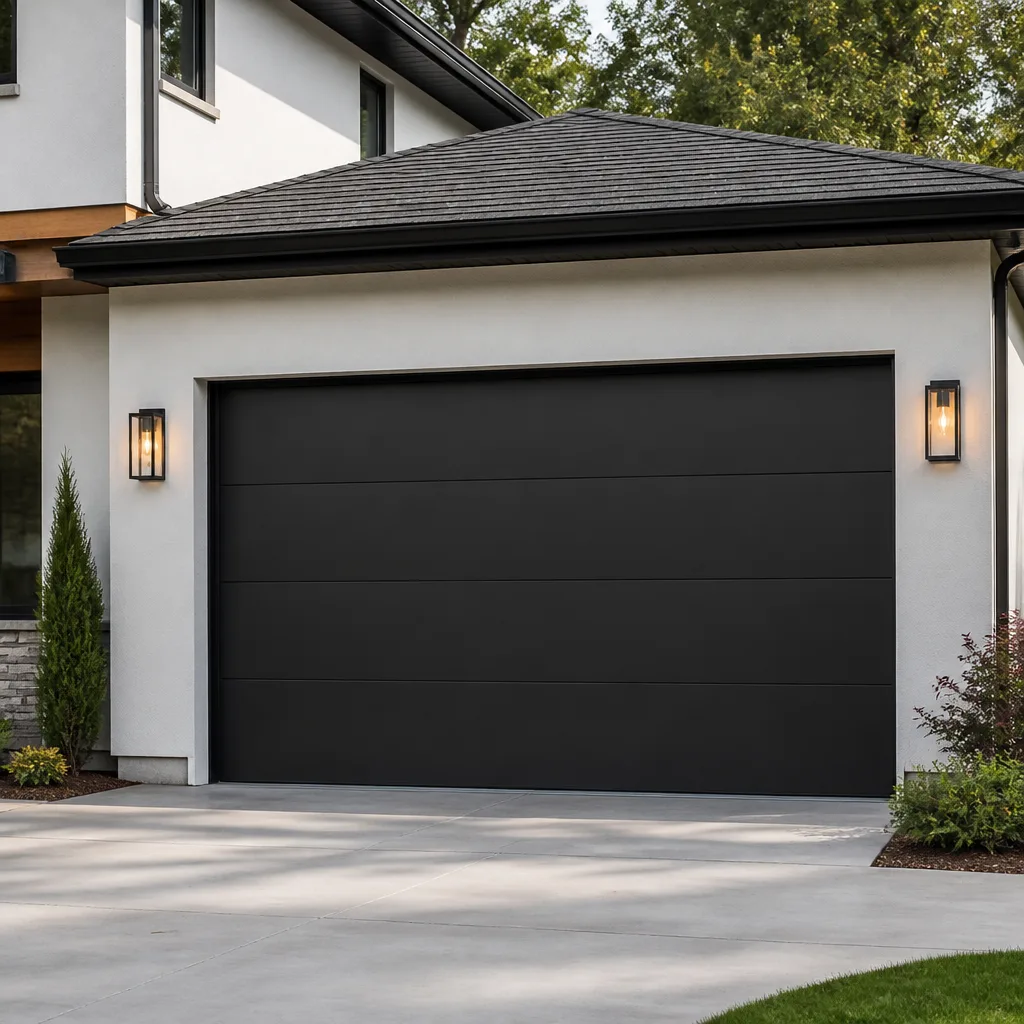 Modern flush
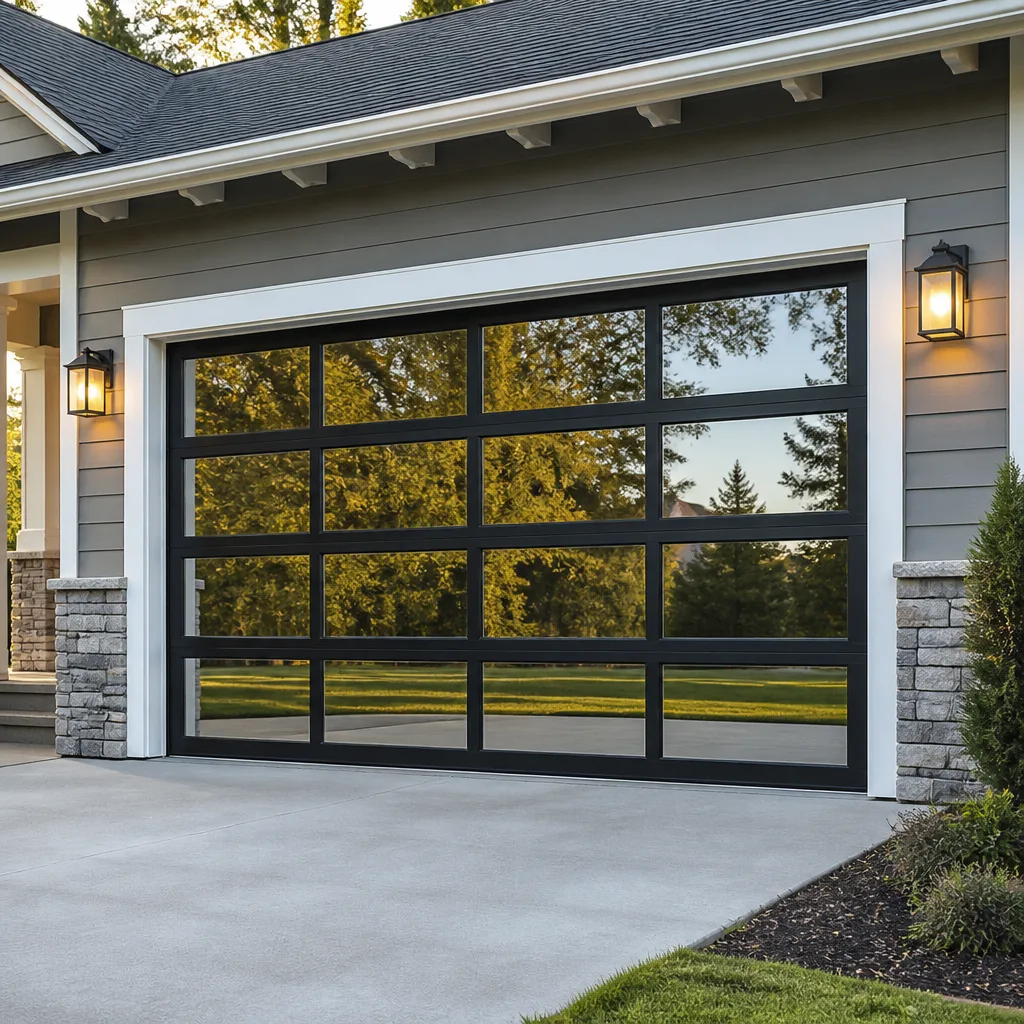 Full-view glass
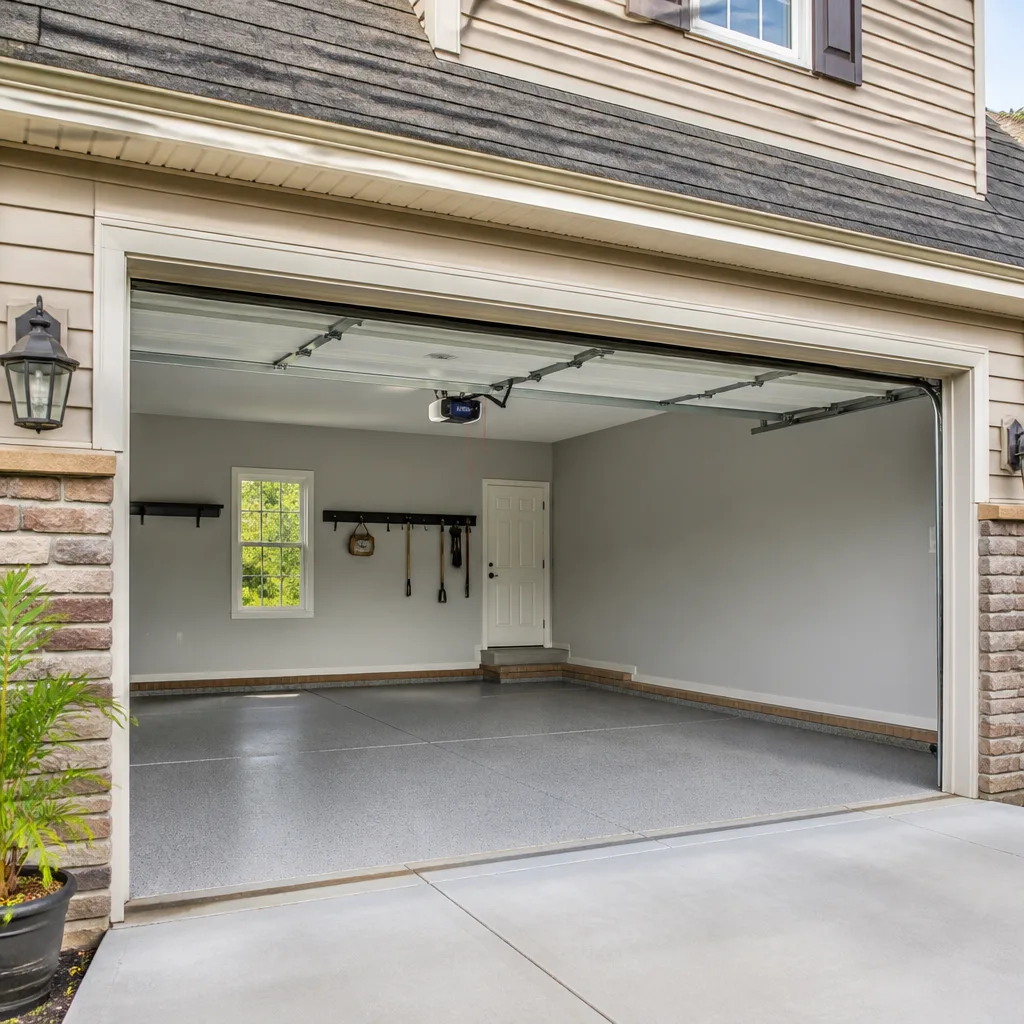 LiftMaster openers
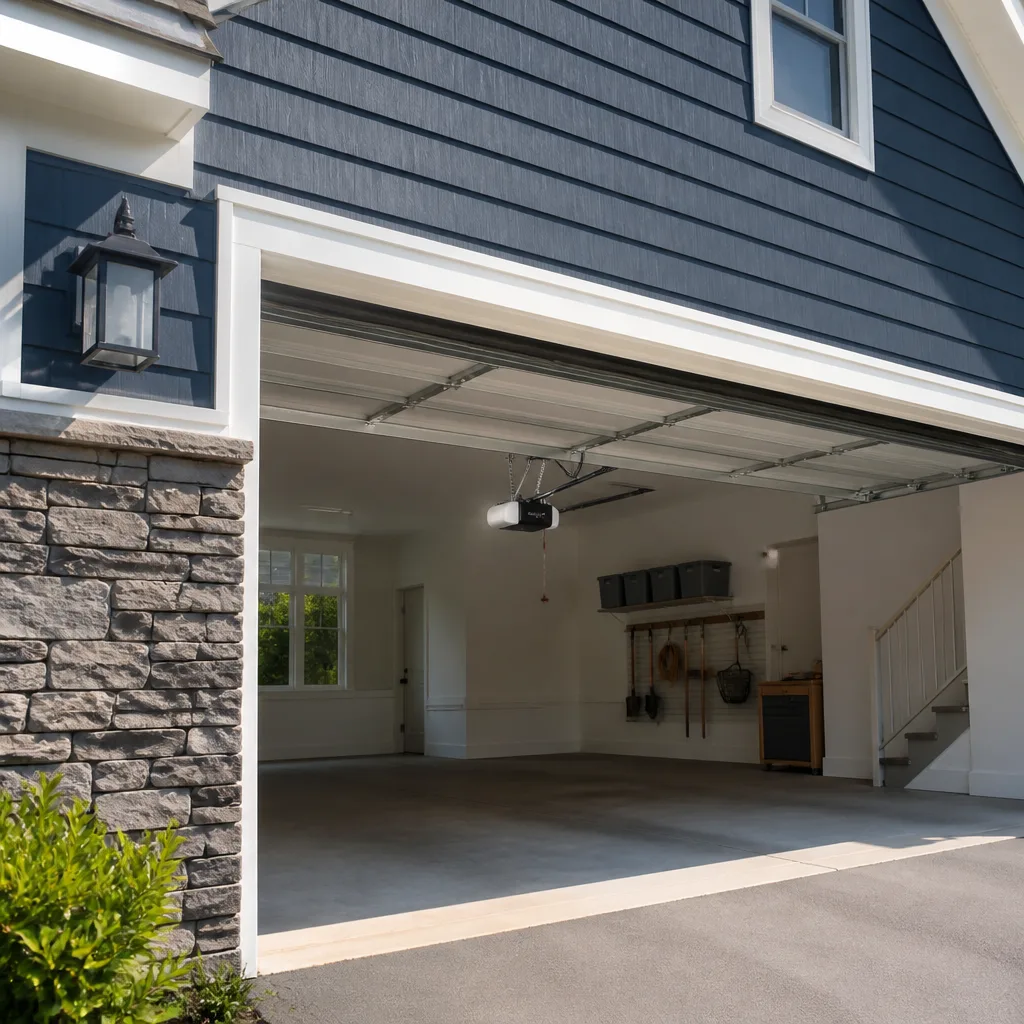 Chamberlain openers
Full 25-point door and opener safety check with every visit - springs, cables, rollers, tracks, and your LiftMaster or Chamberlain opener included
You get a price before we start. It does not change when the pro arrives.
Get your free estimateChoosing the Right Garage Door Brand: A Buyer’s Guide for Middletown
Here’s the counterintuitive part of buying a garage door: the name printed on the front of it is not the thing that will frustrate you five years from now. What frustrates homeowners is discovering that a single dented panel can’t be matched, that the color you chose has been discontinued, or that the warranty everyone talked about at the kitchen table excludes the exact part that failed. In Middletown, where a door has to shrug off humid summers, a deep winter freeze, and everything in between, those details decide whether a door lasts or becomes a full replacement. This guide walks through how we evaluate Clopay, Amarr, Wayne Dalton, CHI, and the rest, using the criteria that actually matter here: performance in Connecticut weather, parts availability, and warranty language that holds up in practice.
Quick Answer
The best garage door brand in Middletown CT is the one whose panels and parts a local distributor can still supply in ten years, with a warranty that covers the parts you’re actually worried about. For most Middletown homes, a Clopay or Amarr steel door with a properly rated insulation value and a written warranty covering delamination and finish failure is a sound choice. Brand matters, but parts availability and installation quality matter more, and a brand-agnostic installer will tell you that honestly.
Styles & brands we work with
- Raised-panel steel
- Carriage house
- Modern flush
- Full-view glass
- LiftMaster openers
- Chamberlain openers
Table of Contents
- Why the brand on the door is only half the story
- The most-installed brands in Middletown, compared
- Parts availability: the question nobody asks until it’s too late
- Matching door construction to your garage’s actual use
- What a warranty says versus what it covers
- What your neighbors’ contractors install versus what a specialist recommends
- How Connecticut weather tests a garage door
- Why the opener brand should enter the conversation too
Why the Brand on the Door Is Only Half the Story
A garage door is not a single product. It’s a system of panels, hinges, rollers, springs, cables, tracks, and an opener, and every one of those pieces has a supply chain behind it. When people ask us which brand is best, we answer the easier question first: which brand can still get you a replacement panel if a bicycle handlebar meets the bottom section, or if a neighbor’s lawnmower throws a stone through the window row?
That’s not a knock on the big names. It’s a recognition that the industry works in product lines that get refreshed on a schedule the homeowner never sees. A brand will launch a new panel profile or discontinue a color, and if your door happened to be on that line, your “just a dent” becomes a full-door quote.
In Middletown, this plays out with a twist. Homes here are a mix of older constructions up and down the residential streets, some with openings that don’t match today’s standard sizes, plus a healthy share of newer builds. If you live in an older home with a nonstandard width, matching a new door to the opening takes measurement before the order, not after. If you have a standard opening, parts sourcing still has to be planned around a brand whose panels and finishes are stocked somewhere a local installer can actually reach.
Our advice after years of working on doors in every stage of life: choose a brand because its parts are stocked and its warranty is written clearly, not because the brochure photograph looks good in a showroom. That’s a different way of shopping, and it’s the one this guide is built around.
The Most-Installed Brands in Middletown, Compared
Clopay, Amarr, Wayne Dalton, and CHI are the four brands you’ll see most often on Middletown driveways, and each has a personality that shows up in the details. None of them is a bad choice. They fail and succeed in different places.
Clopay
Clopay has the deepest residential catalog of the group, with a wide spread of steel gauges and insulation options across its lines. If your priority is matching a specific look, Clopay is usually the brand that can do it. The trade-off is that the entry-level lines are exactly that – entry level – and it pays to read which line you’re buying, not just which brand.
Amarr
Amarr tends to be strong on steel construction and durable finishes, and its product structure makes it easy to compare tiers without needing a decoder ring. Finish durability matters in Connecticut, where doors take a beating from sun on one side and temperature swings on the other. Amarr’s warranties generally cover finish and structural issues, but the terms are worth reading in full before signing.
Wayne Dalton
Wayne Dalton is a very common sight on Middletown homes, and its lines span the range from builder-grade to insulated and decorative. Parts availability is broadly good, and we work with the brand routinely. The catch with any builder-grade line is that the door gets chosen to keep a house budget in line, not to serve the family that moves in afterward.
CHI
CHI is the brand you’re less likely to know by name and more likely to have seen on a door. Its steel doors are solid, its insulation options are practical, and its pricing often sits in a sensible place. Where CHI shines is in a straight replacement for a typical residential opening. Where it can be less comfortable is when you’re chasing a very specific look and need a finish or panel profile the brand doesn’t offer.
How to compare them without getting lost
- Ignore the brand logo and look at the product line.
- Ask for the exact gauge of steel and the exact insulation value quoted, in writing.
- Ask whether the finish is factory-applied and what the warranty says about it.
- Ask which parts a local distributor can supply for that specific line.
- Ask whether the installer works with more than one brand, because that’s usually the person with the honest answer.
We’re brand-agnostic on purpose. We work with Wayne Dalton, CHI, Clopay, Amarr, Raynor, Craftsman, LiftMaster, Chamberlain, Genie, and more, because a homeowner’s question isn’t “which brand do you sell” but “what’s the right door for my house and my budget.” That answer changes from home to home in Middletown.
Parts Availability: The Question Nobody Asks Until It’s Too Late
Here’s the scenario. Your door is five or six years old. A car door backs into it and takes out the bottom panel. You call for a repair and learn the panel is discontinued, the color is discontinued, and no distributor in the region has one. The only option left is a full-door replacement. That is not a rare story. It happens to responsible homeowners all the time.
Parts availability is the single most underrated factor in choosing a garage door brand, and for a Connecticut homeowner planning to stay in their home, it should rank above aesthetics and at least equal to price. Here’s why it matters so much:
- Panel profiles change. Manufacturers update their catalogs. A profile that was standard when your door went in can disappear from the line.
- Colors get retired. A premium paint finish that looked exactly right in the showroom may not be available in five years. Matching a retired color is far harder than matching a current one.
- Springs and cables need the right weight rating. If the door manufacturer can’t tell you its original build, the installer has to derive it, and that adds time to a repair.
- Distributor stock matters more than the brand website. A brand might still be active globally while the line that was installed on your house is effectively gone at the local distributor level.
The practical test is simple. Ask your installer two questions before ordering: which local distributors carry this line, and which parts on this specific door are special-order. If the answer is “nothing is stocked,” that’s a risk you’re accepting. If the answer is “all of it is stocked and here’s where,” you’ve just made a much better decision. When we’re called out for garage door repair, we can tell from the door in front of us which parts are common, which are special, and what the repair path will look like if a new failure surfaces later.
Matching Door Construction to Your Garage’s Actual Use
Two houses can sit on the same Middletown street and need entirely different doors. The right build depends on what the garage actually does for you, not what looks best from the curb. Here’s how we think through it.
Steel gauge
Steel gauge is the thickness of the steel skin, and lower numbers mean thicker steel. Builder-grade doors tend to use thinner steel, which dents more easily and moves more with temperature changes. A heavier gauge costs more up front and lasts longer. If you park in the garage every day, the heavier door is usually the smarter buy.
Insulation value
Insulation is measured in R-value, and it’s the number that matters most when the garage shares a wall – or a ceiling – with the rest of your house. A non-insulated door on a garage under a bedroom gives you a cold floor above it in winter and pushes hot air up in summer. An insulated door changes that. If your garage is detached and unheated, insulation mainly buys you a quieter door and a more stable interior; it isn’t doing climate work for the house. If the garage doubles as a workshop, gym, or storage for anything sensitive to temperature, insulation earns its cost fast.
Use type and size
- Single-car attached garage: Insulation matters for the shared wall. A standard-height steel door in a mid-range line is a sensible default.
- Two-car attached garage under living space: This is the case for a heavier insulated door with a good seal. Any garage door style works here, but the insulated models pay off fastest.
- Detached garage: Insulation is optional, but a heavier steel door will hold up to dings and stay quieter through freeze-thaw cycles.
- Oversized or unusual opening: Check the brand offers the size, not just the look. Custom sizing is the reason nonstandard openings need measuring first and ordering second.
A word on windows and decorative panels: they add weight, and heavier doors need heavier spring systems to balance them. That’s a detail that gets missed when a homeowner buys on looks and only notices the strain in the opener a year later. Our garage door installation work always starts with matching the door’s weight to the right spring, not picking the door first and the springs later.
What a Warranty Says Versus What It Actually Covers
Warranty talk at the kitchen table is usually a comparison of headline numbers – five years versus ten, limited versus full. The comparison that matters more is the exclusion list. Premium brands are not immune to narrow warranty language, and some of the most common failures are exactly the things a warranty declines to cover.
Here’s what to look for before you sign:
What strong garage door warranties tend to include
- Delamination of the steel skin on insulated doors
- Failure of the finish (peeling, cracking, or fading) within a stated window
- Structural failure of the section itself under normal use
- Hardware failures such as hinges, rollers, and track under normal residential use
Common exclusions that catch buyers off guard
- Improper installation voids the warranty. If the door isn’t installed to the manufacturer’s written instructions, the warranty is void. This is the single most common reason a warranty claim gets denied, and it’s why installer choice can matter more than brand.
- Warranties cover the door, not the labor. A warranty that replaces a panel doesn’t pay for someone to install the replacement. The cost of the labor is on you.
- Cosmetic damage is excluded. Dents, scratches, and damage from impact aren’t warranty issues. That’s not the manufacturer being unfair, but it does mean the warranty you’re reading may not cover the failure you’re imagining.
- Water intrusion and improper drainage void coverage. If the garage floor slopes toward the door and water sits under the bottom seal, warranty language sometimes turns that into a homeowner responsibility.
- The opener has a separate warranty. Door warranties and opener warranties are two different documents. When the door and opener are different brands, the homeowner is now managing two warranty relationships.
Our read: read the exclusion list before you read the headline. If the exclusions look like a list of “things that actually go wrong,” ask the installer to walk through them with you. Any installer worth hiring can do that in plain English.
What Your Neighbors’ Contractors Install Versus What a Specialist Recommends
Drive through a Middletown neighborhood and you’ll see a pattern in the doors. Some brands cluster on some streets and not on others. That’s not because one brand is better in that ZIP code. It’s because contractor relationships, distributor relationships, and the economics of a builder’s supply chain shape what shows up. The gap between what your neighbors have and what a specialist would suggest can be large, and it’s worth understanding why.
Three things drive the gap:
- Volume pricing and local stock. A contractor who installs mainly one brand can buy that brand efficiently and gets fast delivery. That’s a real reason to specify it, but it’s a reason for the contractor, not necessarily for you.
- Builder decisions. On newer Middletown homes, the door was often chosen by the builder, not the buyer. It’s the model the builder had a relationship with, not the model that best suits the household.
- Sales incentives. Some brands have dealer programs that make them more prominent. That doesn’t mean they’re worse. It does mean the recommendation you hear may have a business rationale behind it alongside the door rationale.
A brand-agnostic specialist is looking at the door in front of them, not a catalog. When we’re called for garage door opener repair or a replacement, the conversation starts with what the household actually needs, then the brand that gets them there. Sometimes the answer is the brand your neighbor has. Sometimes it isn’t.
There’s a specific case worth flagging: if a door in Middletown was installed five to fifteen years ago, some of those lines are already behind the current catalog. A homeowner choosing a door today can’t be sure the current line will be in the catalog when the repair comes. That’s the case for choosing brands with strong stock availability and clear warranty terms over brands that lead on look or novelty.
How Connecticut Weather Tests a Garage Door
A garage door in Middletown goes through a lot in a year: humid summer air that works on finishes and seals, a real freeze in winter, spring and fall temperature swings that make steel expand and contract, and the occasional storm that sends debris against the door. That cycle is what stress-tests construction and finish. A door that lives indoors on a sales floor looks different from a door that survived eight winters.
What survives well in Middletown:
- Factory-applied finishes. These hold up to sun, humidity, and temperature swings far better than field-applied paint.
- Heavier steel on the door face. Dings from kids, bikes, and shovels are less likely to become permanent.
- Insulated models on attached garages. Insulation helps keep the garage closer to the house temperature and slows the condensation cycle.
- Good bottom seals and adjustable thresholds. The seal is the door’s first defense against drafts and water. A cheap seal is a false economy.
What gets tested harder than people expect:
- Paint and powder finishes on cheaper lines. Sun exposure on the south face of a door, temperature swings, and moisture all push on the finish.
- Springs and cables. Springs cycle thousands of times a year. The metal fatigue that eventually breaks a spring isn’t a failure of your door. It’s a normal wear cycle. It’s also why the spring is the most safety-critical part of the system.
- Weather sealing between the door and the frame. Small gaps become big drafts once the wind starts.
We mention springs here on purpose. Spring work is the part of garage doors where brand, age, and installation all collide, and it’s where the cheapest option is often the most expensive choice. If your door has a broken spring, please don’t try to replace or release it yourself. Torsion springs under tension can cause serious injury even to people who watched a video first. Our garage door spring repair work exists precisely because those jobs need a trained technician, correct spring sizing for the door’s weight, and the right tools. The same caution applies to the opener: if the door is off track, the opener isn’t the problem, and forcing it to run can cause further damage. Fix the door first, then check the opener.
Why the Opener Brand Should Enter the Conversation Too
The garage door brand and the opener brand are two decisions, not one, and they interact. An opener that’s undersized for the door’s weight will run hot, get loud, and fail early. A good opener that’s bolted to a misaligned door will fight the door every time it opens. Matching the two matters more than either brand choice on its own.
Among openers in Middletown, LiftMaster and Chamberlain both come up often, along with Genie and Craftsman. The differences tend to show in drive system, smart-home compatibility, safety reverse behavior, and how easy the unit is to service when something fails. For most families, a belt-drive opener under a bedroom is the noise choice. A chain-drive opener in a detached garage is often the simplest, most durable choice. Screw-drive drives are worth considering in certain settings, and jackshaft openers matter where the ceiling clearance is limited. Each has a place, and none is universally “the best.”
What usually gets missed: the opener and the door are one system. If you’re replacing a door, the current opener may not be rated for the new door’s weight. If you’re repairing an opener, the question to answer first is whether the door is balanced and running free. Getting that order right is what separates a repair that fixes the problem from a repair that hides it. From the opener to the panel to the spring, we work with the hardware that’s actually on the door, and that’s the whole reason we work across multiple opener brands.
See the difference
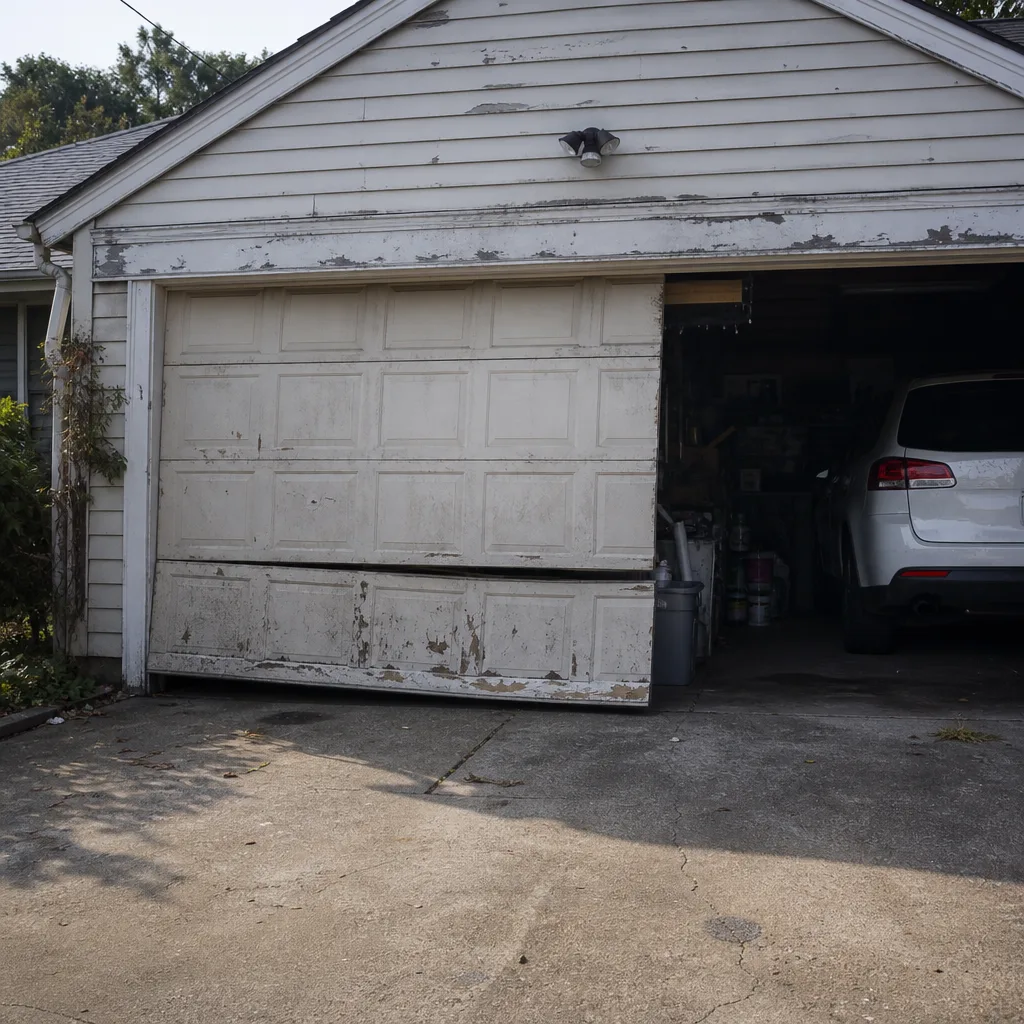 Before
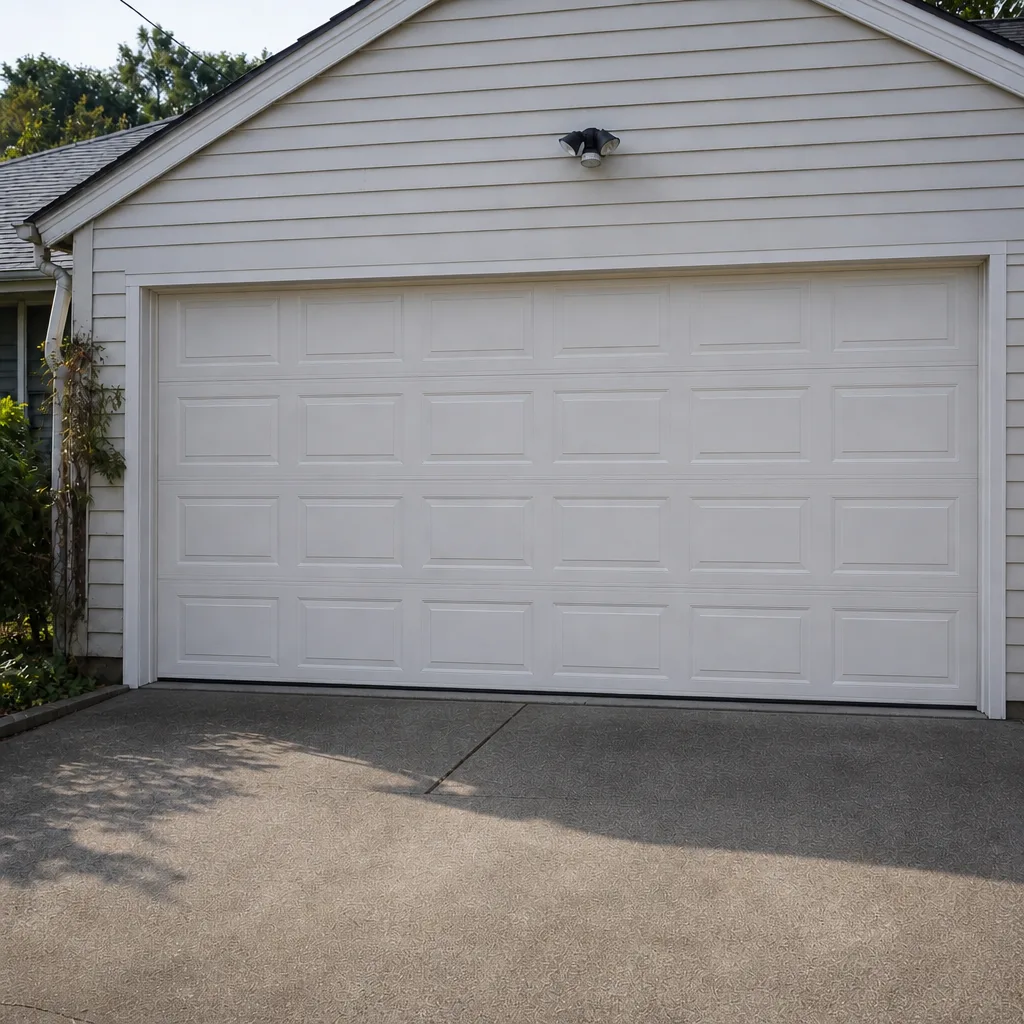 After
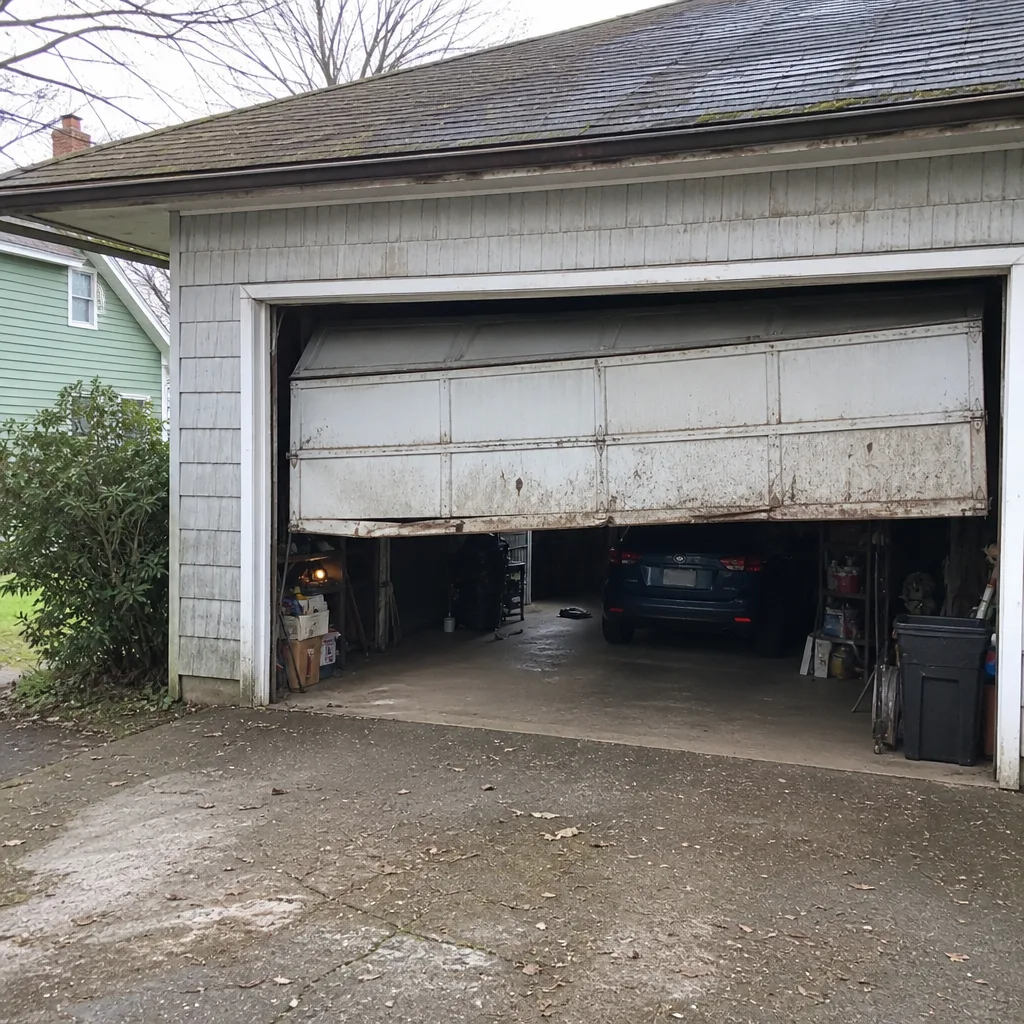 Before
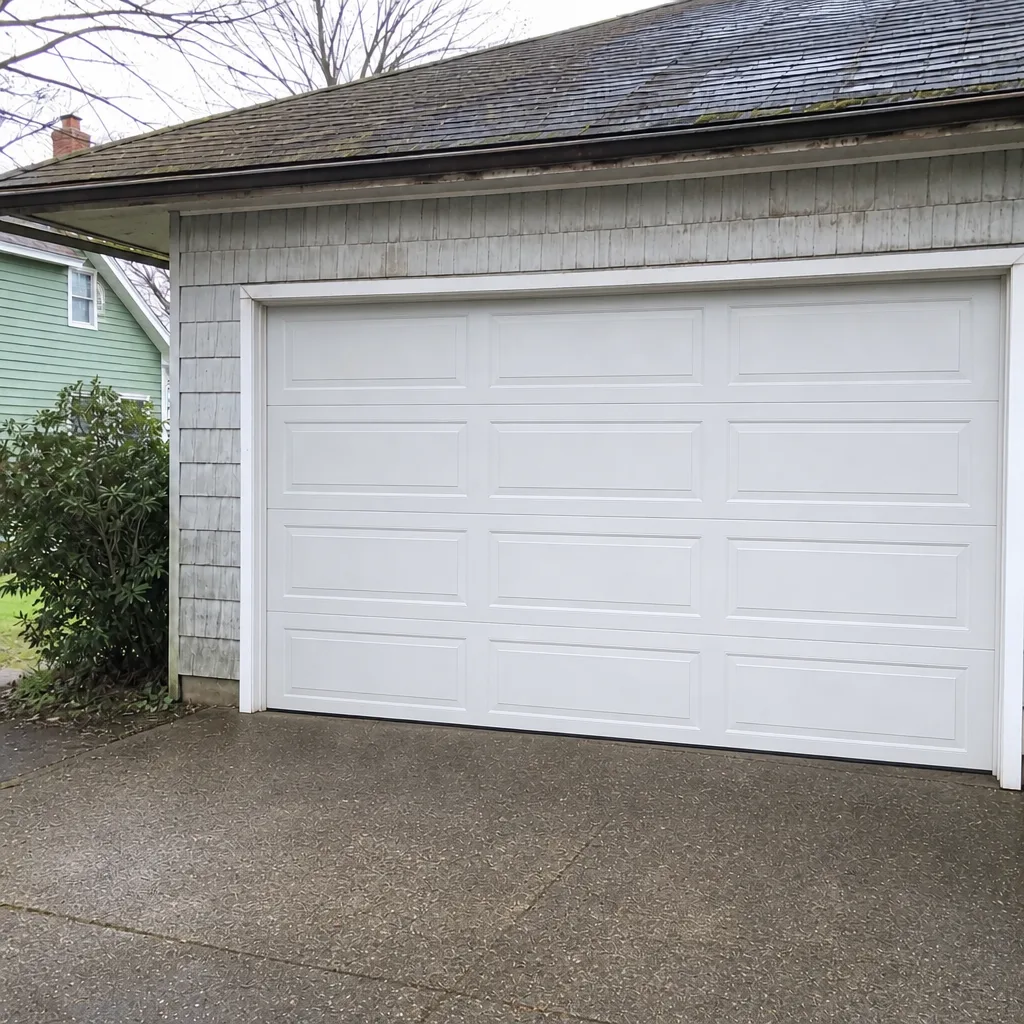 After
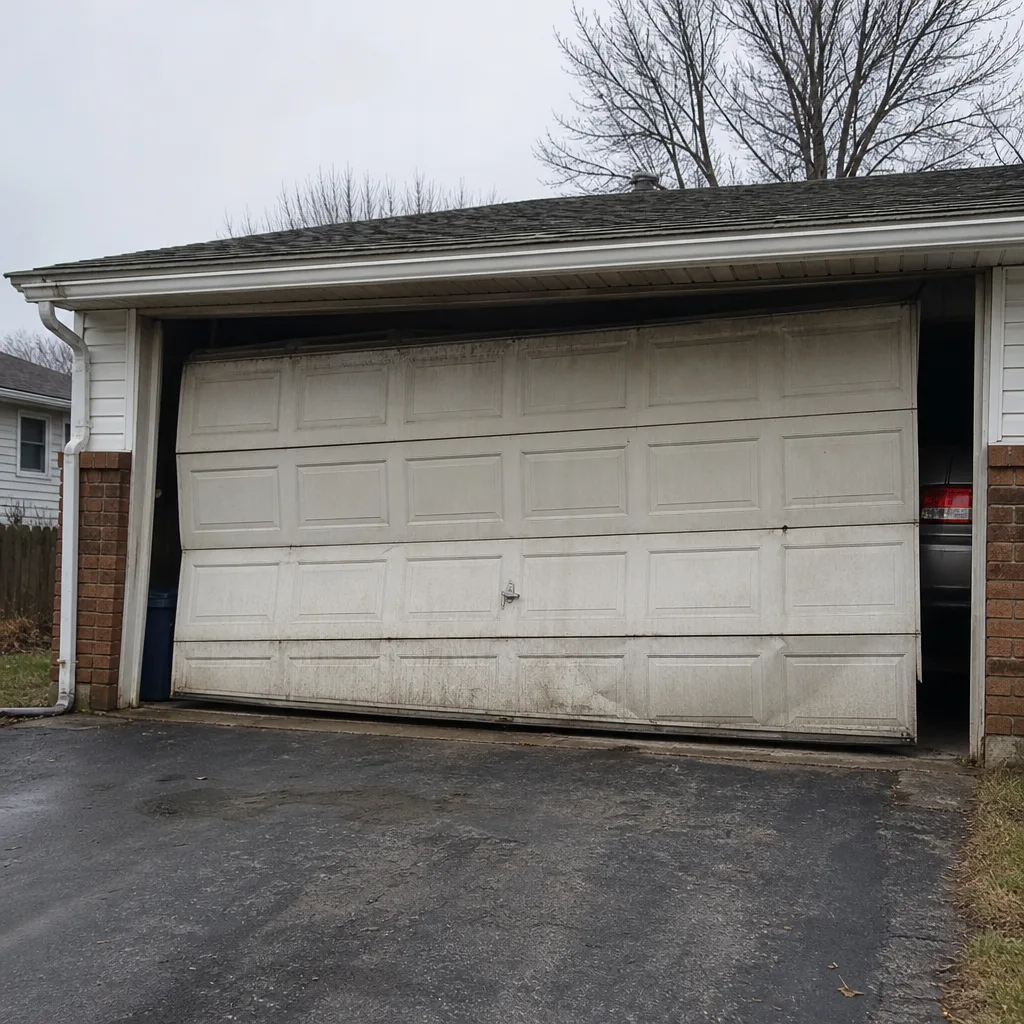 Before
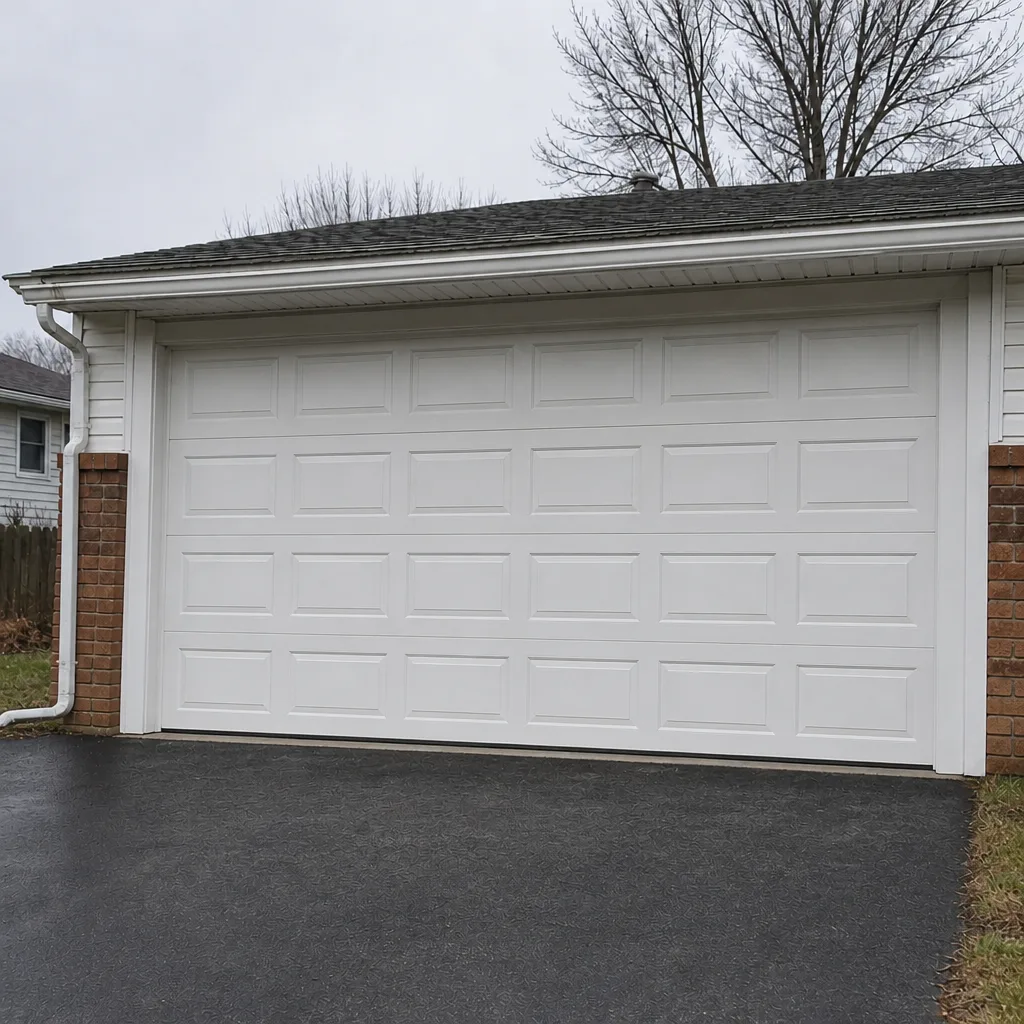 After
Common Mistakes to Avoid
- Choosing on looks alone. A door’s finish and profile matter, but so does the gauge and the insulation value. If you pick the look first and never look at the spec sheet, you’ve let the showroom make the decision for you.
- Ignoring the part number on the door. Every panel has a product line and profile. If you don’t have that written down, a future repair becomes a guessing game. Take a photo of the label on the inside of your door and keep it with the paperwork.
- Skipping the warranty’s exclusion list. Headline coverage numbers can be impressive while the exclusions quietly cover the exact failure you’re worried about. Read the exclusions before you sign.
- Buying the door and the opener as separate decisions. An opener rated for a lighter door will not perform on a heavier one. Choose them together, or at least confirm the pairing before ordering.
- Letting the cheapest quote choose the installer. Improper installation is the #1 cause of denied warranty claims, and a cheap install is often the one that voids coverage. The installer matters as much as the brand.
- Assuming your neighbor’s brand is the right one for your house. What gets installed in a neighborhood often depends on contractor and distributor relationships, not on your particular garage’s size, insulation needs, or use.
- Forgetting the local building department. Most cities require a permit for replacing a garage door, so ask your city’s building department before work begins. The permit is usually the installer’s job, but confirm who’s pulling it.
When to Call a Professional
Some garage door work is well within reach for a homeowner. A wall-mounted opener control, a bulb, a simple weather strip: fine. Other jobs are not, and it’s worth being clear about which is which.
Call a professional if a spring has snapped, if the door is off its track, if the opener runs but the door doesn’t move, if the door is visibly sagging or out of level, if you see frayed cables, or if the door stops or reverses unpredictably. Those all point to spring, cable, or balance issues where a mistake can damage the door further or cause serious injury. Our Bramley Garage Door Repair work covers all five areas where a garage door fails, and we work on the brand you already have rather than pushing a replacement you don’t need.
Bramley Garage Door Repair offers free estimates in Middletown – call (877) 492-2037 to talk through your situation. Our technicians have up to 11 years of experience across the major residential brands, and we’re happy to advise on a repair, a replacement, or both.
Frequently Asked Questions
The best garage door brand for a Middletown home is the one whose parts a local distributor can still supply years later, with a warranty whose exclusions don’t undercut the coverage. Clopay and Amarr are strong choices for most Middletown homes because their residential lines are well-stocked in the region and their warranty language is comparatively clear. That said, CHI and Wayne Dalton are also solid, and the installer’s quality tends to have more impact on your door’s life than the brand logo does.
A single-car garage door replacement in Middletown typically runs $700 to $1,600 for a standard steel door, and a two-car door installation typically runs $1,200 to $3,000, with insulated models at the higher end. Those ranges are estimates for the door itself and depend on size, insulation, finish, and window options. The final price comes from a free measure and a written quote, and we always quote and agree on the price before any work starts.
No. The written quote is the price unless you and the technician agree to change the scope of work together. If something unexpected turns up, we explain it and get your agreement before we touch anything that wasn’t in the original quote. You’ll never get a surprise invoice for a repair that was described differently.
Yes, and the differences are often in the exclusions rather than the headline coverage. Door manufacturers usually exclude labor, cosmetic damage, and any failure caused by improper installation. Opener warranties are separate documents, and smart-home features sometimes have a shorter coverage window. If a warranty sounds broad, ask to read the exclusions before the door is ordered.
Sometimes, but it depends on the brand and line. Manufacturers retire panel profiles and colors on a schedule the homeowner never sees. If the exact part is gone, a local installer can sometimes source a close match from dealer stock or a different line, and sometimes the answer is a full replacement. The earlier a repair is planned, the more options exist, which is why keeping the door’s product label is worth the effort.
The local pro who performs the work is licensed and insured as their state requires, and you should ask to see proof of both before work begins. Connecticut also requires a permit for most garage door replacements, so confirm the installer is pulling the permit as part of the job. If a quote doesn’t include insurance confirmation and permit details, that’s worth asking about before signing. Call (877) 492-2037 for a free estimate – we’re glad to walk through the licensing and permit questions before you commit.
The Bottom Line
The best garage door brand for a Middletown home is the one whose parts a local distributor can still supply in ten years, whose warranty covers the failures that actually happen, and whose installer knows how to fit it to your specific garage. Clopay and Amarr lead for most homes here, CHI and Wayne Dalton hold their own, and the opener brand deserves the same scrutiny as the door brand. Test the parts chain. Read the exclusions. Match the build to how you actually use the garage. Then let the installer who works across multiple brands tell you what they’d choose for your house. Call (877) 492-2037 for a free estimate in Middletown – estimates are free, and we’ll quote and agree the price in writing before any work starts.
Written by the team at Bramley Garage Door Repair.