Last updated November 22, 2026
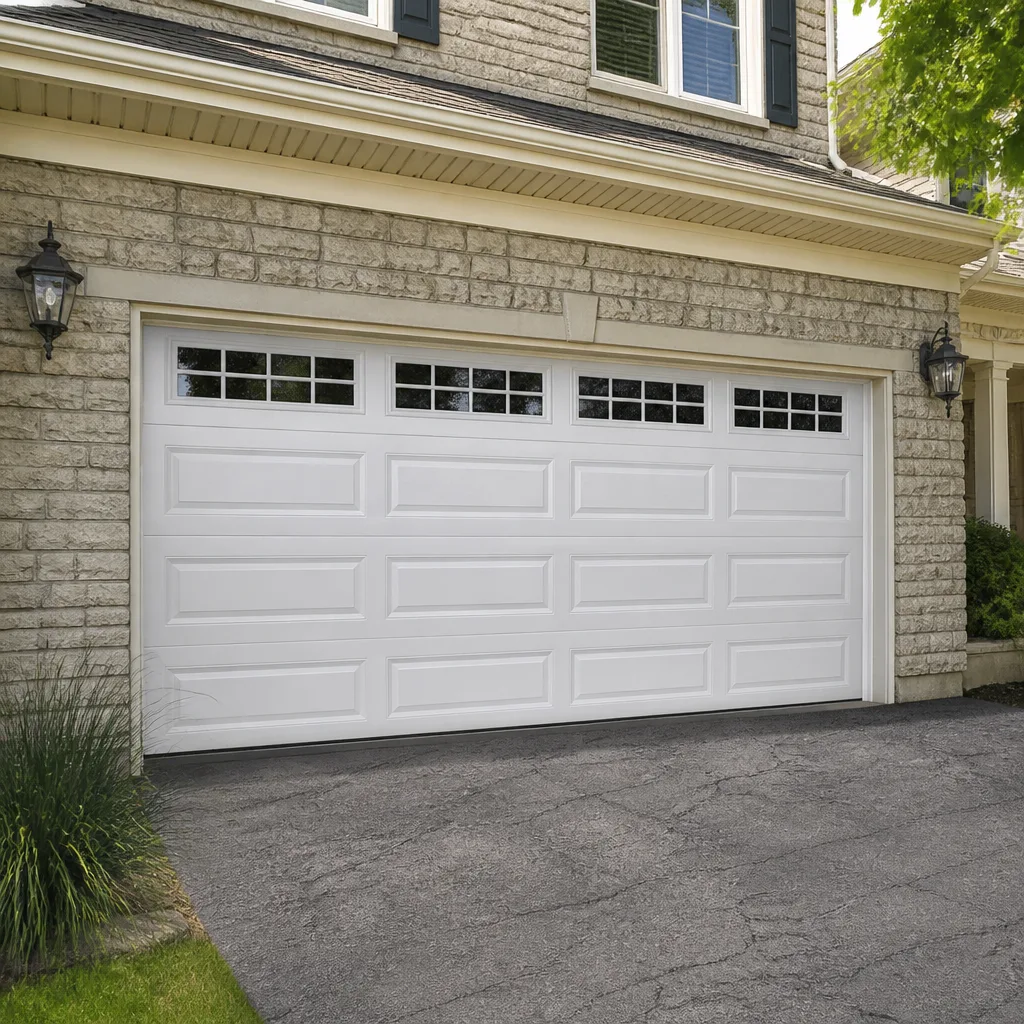 Raised-panel steel
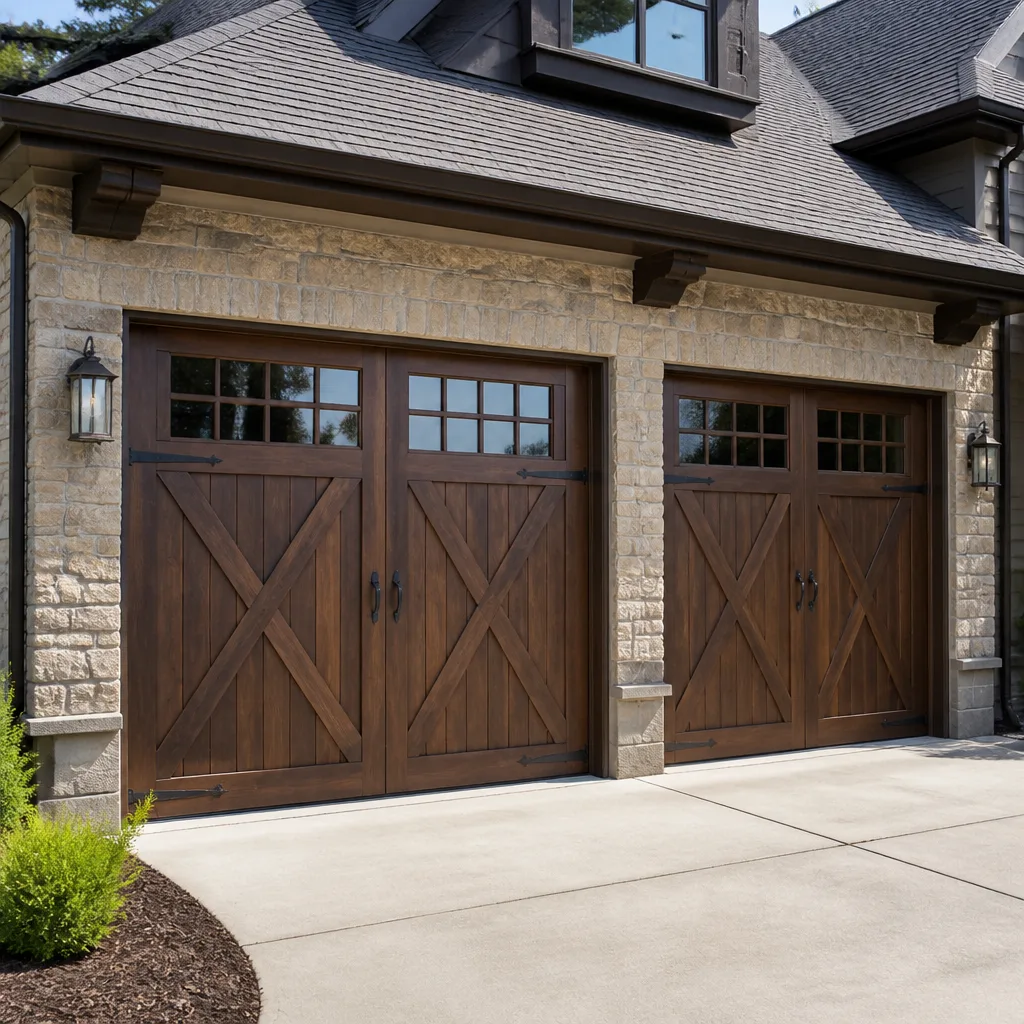 Carriage house
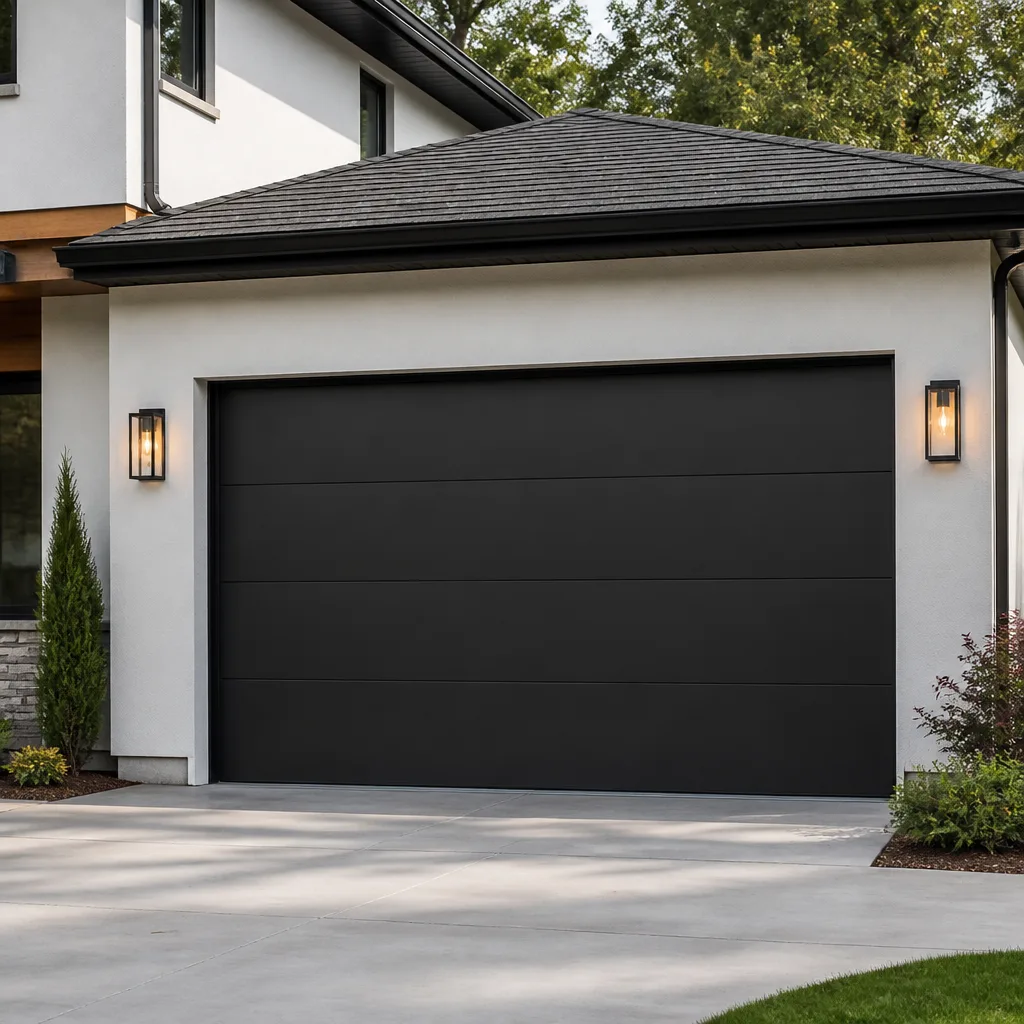 Modern flush
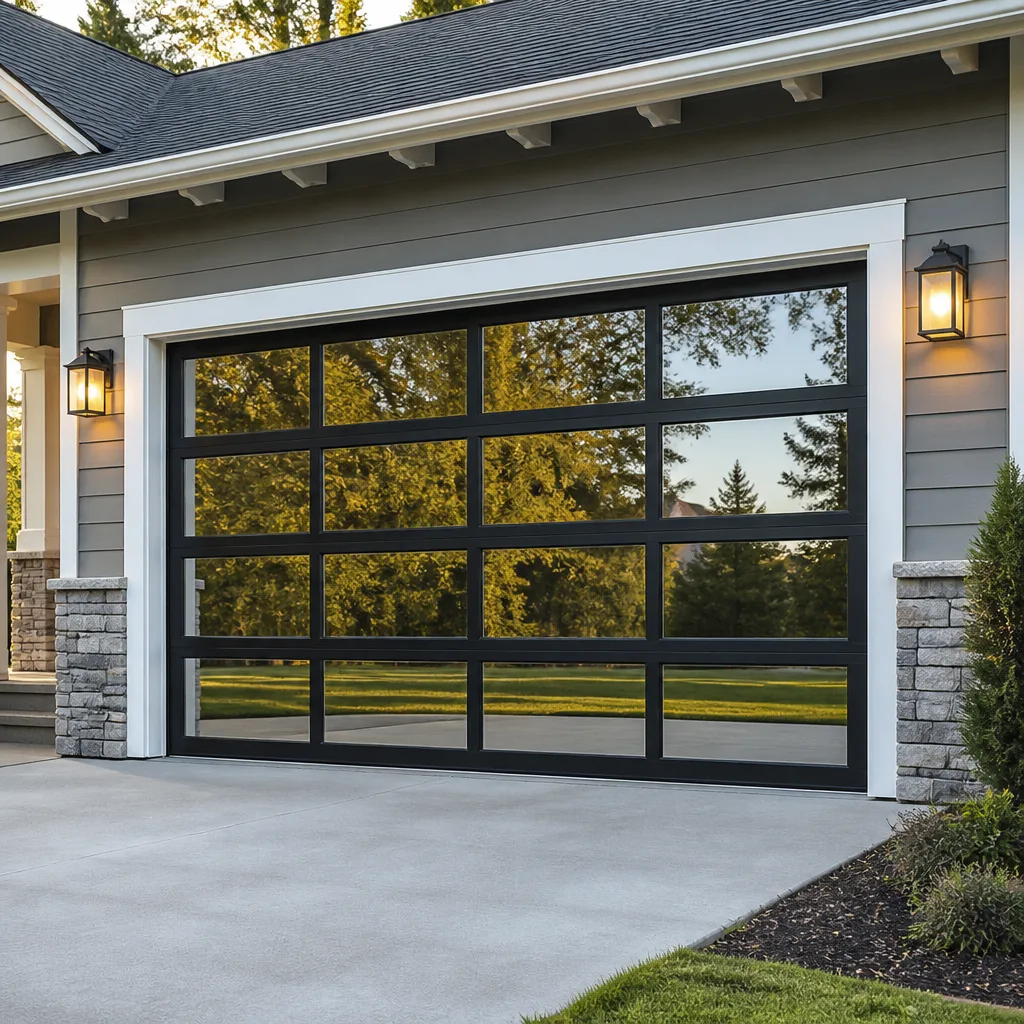 Full-view glass
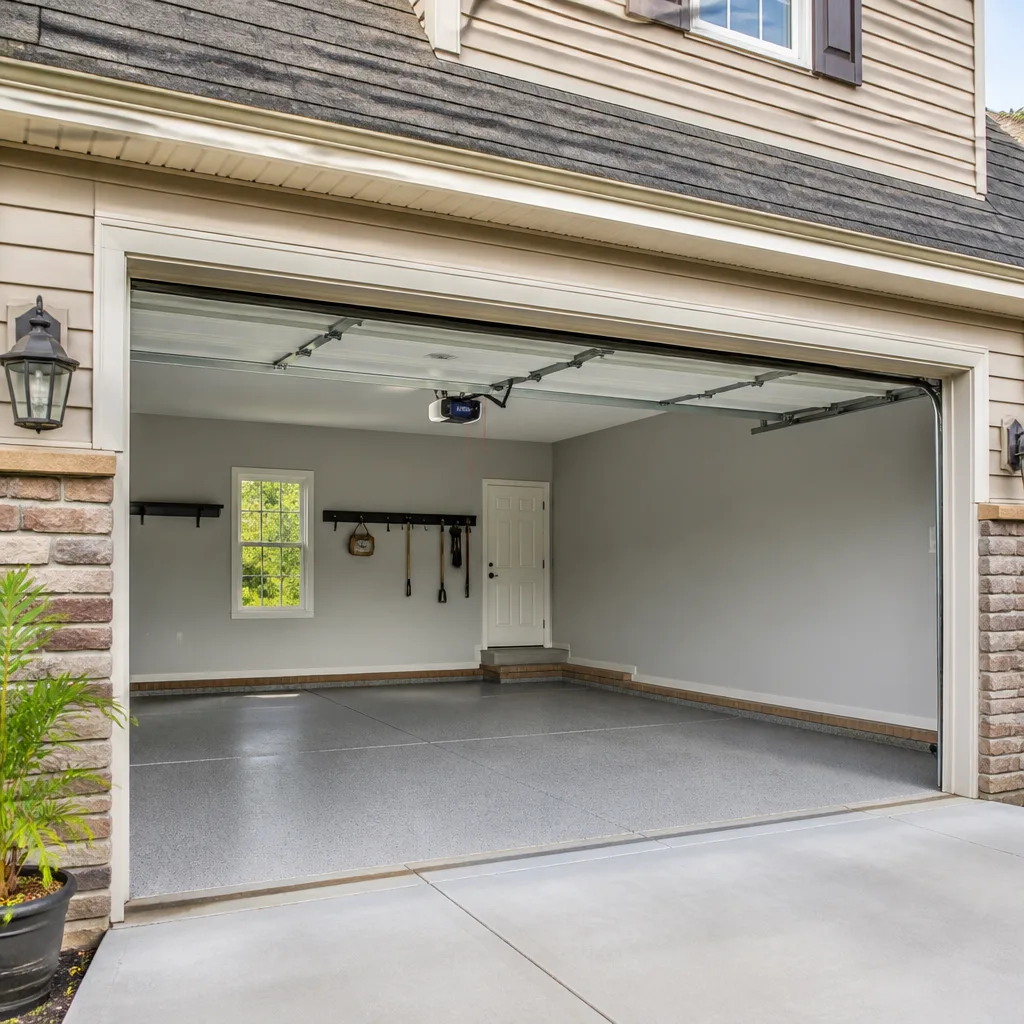 LiftMaster openers
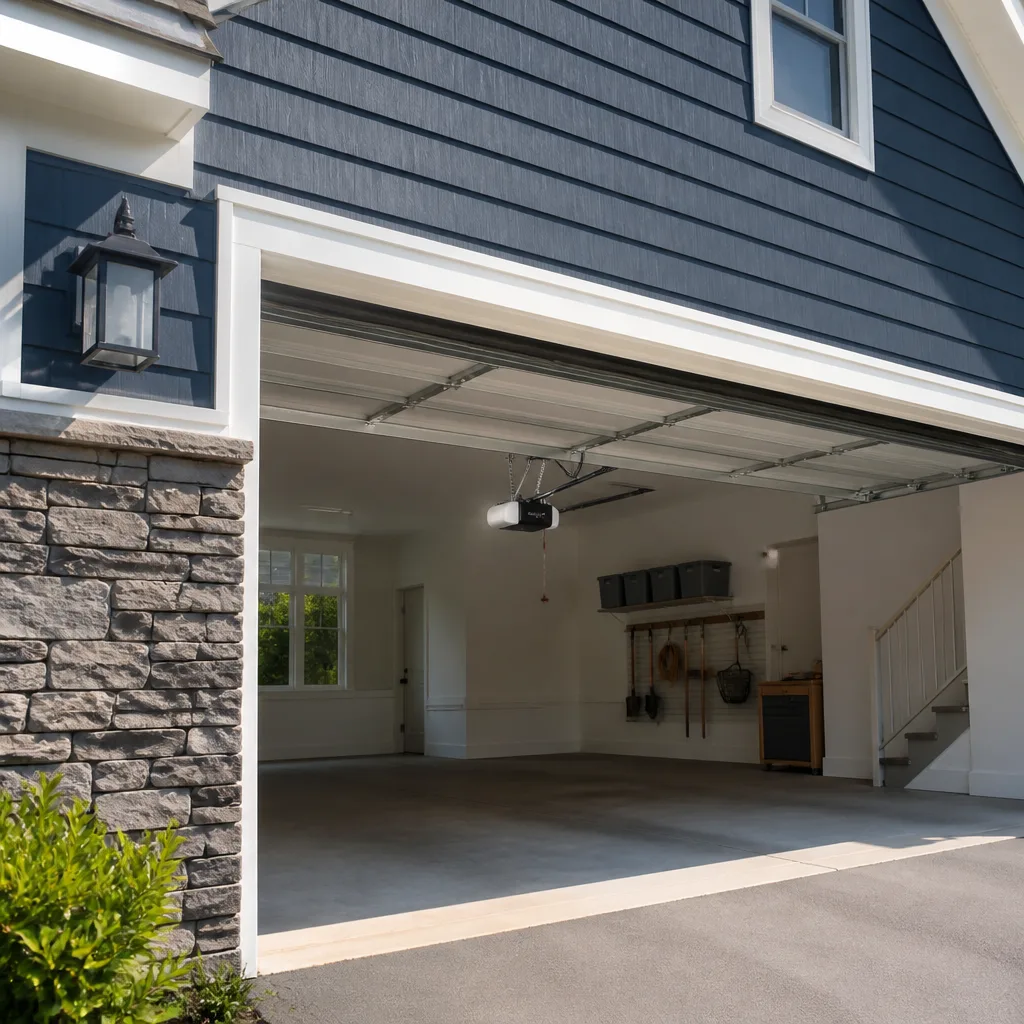 Chamberlain openers
Full 25-point door and opener safety check with every visit - springs, cables, rollers, tracks, and your LiftMaster or Chamberlain opener included
You get a price before we start. It does not change when the pro arrives.
Get your free estimateGarage Door Cost Breakdown: The Middletown Homeowner’s Reference for 2026
When two contractors give you quotes $600 apart for the “same job,” the difference is almost never profit margin. It’s what they’re not including. One quote prices the springs, cables, and rollers as a package with a vague labor number attached; the other prices each component and tells you why. Since most Middletown homeowners only buy a garage door repair or replacement a handful of times, there’s no built-in way to know which quote is honest until the door fails again two years later. This guide fixes that. We break down every component, every 2026 Middletown-area price range, and every line item a quote should contain so you can read a bid the way a technician does.
Quick Answer
Garage door repair in Middletown, CT typically runs $150 to $650 for common fixes, with spring replacement at $180 to $340 for a single spring and routine tune-ups around $100 to $175. A full door replacement usually lands between $1,200 and $4,200 installed, depending on door size, material, and whether the existing framing needs work. The final price is always set by a written estimate after the technician inspects your door, and that number should never change once work begins unless you approve it in advance.
Styles & brands we work with
- Raised-panel steel
- Carriage house
- Modern flush
- Full-view glass
- LiftMaster openers
- Chamberlain openers
Table of Contents
- Component-by-Component Cost Breakdown
- What Middletown Labor Rates Actually Reflect
- Why the Same Door Model Costs Differently in Different Homes
- How to Read a Quote Line by Line
- The Three Most Commonly Padded or Omitted Line Items
- Ten-Year Cost of Ownership: Cheap Installation vs. Quality Installation
- When Financing a Replacement Beats Repeated Repairs
- Common Mistakes to Avoid
- When to Call a Professional
- Frequently Asked Questions
- The Bottom Line
Component-by-Component Cost Breakdown
Garage doors are mechanical systems with about a dozen wear parts, and each one has its own replacement cost. Pricing by component is how you spot a quote that’s fudging the math. The table below shows typical 2026 Middletown-area ranges for parts and labor combined.
| Component | Typical Cost Range (Parts + Labor) | Notes |
|---|---|---|
| Torsion spring (single) | $180 – $340 | Most doors use two springs; a matched pair costs about double |
| Extension spring (single) | $140 – $260 | Pair replacement costs roughly twice the single-spring price |
| Cables (per side) | $90 – $180 | Usually replaced in pairs with springs |
| Rollers (full set) | $120 – $220 | Nylon rollers quieter than steel; 10-roller sets common |
| Hinges (set) | $80 – $160 | Worn hinges cause track jump and noise |
| Tracks (per side) | $150 – $350 | Bent tracks from impact usually need replacement, not bending |
| Bottom seal / weatherstrip | $90 – $180 | Connecticut winters punish worn seals; energy loss matters |
| Single panel (section) | $250 – $700 | Panel price depends on brand and profile match |
| Opener replacement | $350 – $750 | Chain, belt, and smart-compatible units span this range |
| Opener repair (common fixes) | $150 – $400 | Gear sets, logic boards, safety sensors, remotes |
Two things matter here. First, springs are the component most often replaced as a matched pair, so if a quote shows one spring price but replaces both, confirm you’re seeing the pair price (roughly double the single-spring range). Second, cables and rollers are cheap parts with meaningful labor, and technicians who bundle them into a flat “tune-up” fee sometimes skip the replacement entirely. Anyone quoting Middletown should be willing to price each item on the ticket. If you want to see how component-level pricing applies to spring work specifically, our garage door spring repair page walks through torsion and extension systems in detail.
Middletown Context: Why Doors Here Wear Differently
Central Connecticut’s freeze-thaw cycles push on garage doors in ways homeowners in warmer regions don’t deal with. The rubber bottom seal gets brittle, the metal panels flex with temperature swings, and lubricant thickens in winter, which increases load on springs and opener gears. Doors here tend to need weatherstrip and roller replacement before the springs fail, which is why inspecting a Middletown door in spring and fall is worth doing. It also means a tune-up that skips the seal isn’t really a tune-up.
What Middletown Labor Rates Actually Reflect
Garage door labor in the Middletown area typically runs $85 to $150 per hour, and the variance isn’t arbitrary. It reflects several real variables: technician experience, whether the job requires two technicians (spring jobs almost always do for safety), permit or inspection requirements, and travel time. Our technicians have up to 11 years of experience, and a technician who has replaced hundreds of springs will quote the same job with fewer labor hours than a generalist because the work goes faster and the diagnostic step takes minutes, not hours.
Why Generalist Handymen Quote Lower
A handyman who also does decks and drywall will often quote $50 to $100 less than a garage door specialist. That’s not because the work is cheaper. It’s because the handyman isn’t pricing in the two-person safety protocol on spring work, isn’t carrying the specific brand knowledge to match a panel or opener, and may not know how to diagnose an opener logic board versus a bad sensor when both show the same symptom. Springs are dangerous, and the labor cost to handle them safely isn’t padding. It’s the reason the job gets done once.
The Parts-Markup Question
Reputable garage door companies mark up parts, and that markup funds inventory, warranty backing, and the ability to get a Craftsman-compatible opener component or a Raynor panel replacement without a week of ordering delays. A quote that prices parts at retail and charges labor at the full rate is charging you twice for the same convenience. A quote that includes a parts line with a clear markup and a labor line with a clear hourly rate is the honest version of the same thing.
Why the Same Door Model Costs Differently in Different Homes
A Clopay or Amarr door sold at the same model number can cost $400 to $900 more to install in one Middletown home than another, and that spread has nothing to do with the door. It’s what the install brings with it. Here are the factors that drive the difference, in the order they typically show up on a technician’s assessment.
- Header clearance. If the space between the top of the door opening and the ceiling isn’t sufficient for the new door’s track radius, the installer must use low-headroom hardware or modify the opening. Both add labor and often parts.
- Existing framing condition. Rotted or out-of-square jambs mean reframing before the new door goes up. This is the most common surprise cost because it’s invisible until the old door comes down.
- Electrical access for opener. If your garage has no outlet near the opener mounting point, adding one means working with a licensed electrician or running a dedicated circuit. That’s a real line item, not a fee.
- Door size and weight. A double-car steel door with insulation weighs significantly more than a single-car door, and heavy doors need upgraded springs and hardware out of the gate, which changes the installation labor profile.
- Old door disposal. Removal and haul-away of a steel or wood door runs $75 to $200 depending on size and local disposal rates, and not every quote includes it.
When you’re comparing bids on the same model, ask every contractor to break out these five items separately. If one quote is significantly lower, one of these lines is probably missing. That’s not savings; it’s a change order waiting to happen. Our garage door repair page covers how we handle change orders on repair jobs, and the same transparency applies to installations.
How to Read a Quote Line by Line
Every written estimate should have four parts: a diagnosis, a parts list with quantities and unit prices, a labor line with hours or a flat fee, and a stated final price. If any of those is missing, the quote isn’t finished. Reading a quote carefully takes five minutes and can save hundreds. Use this checklist:
- Does the diagnosis match the symptom? A door that opens halfway and stops usually points to a spring or opener travel issue, not a sensor problem. A quote that diagnoses the wrong cause is a quote for the wrong job.
- Are quantities listed? A single-spring versus a pair-spring job differs by roughly double, and a technician should tell you which is being replaced and why.
- Is there a separate labor line? Bundled parts and labor make it impossible to tell whether labor is being charged once or twice.
- Is the warranty stated in writing? Parts and labor warranties should be listed separately. A “lifetime warranty” with no terms on the quote is a marketing line, not a warranty.
- Is the final price marked as the final price? The written estimate sets the price. If the technician discovers something on-site, they should stop and get your approval before continuing, not add it to the invoice.
- Is there a disposal line? On installation quotes, confirm whether haul-away is included or added separately.
One more thing: ask what happens if the price changes. A good answer is “we stop and tell you before we do anything extra.” A bad answer is “we can’t know until we get in there.” Both are true of the trade; only one is a policy you can hold a company to.
The Three Most Commonly Padded or Omitted Line Items
After enough quotes, three items stand out for the way they’re handled inconsistently across companies. Know these and you’ll spot the padding immediately.
1. Safety Sensors and Safety Reverse Testing
Every opener has a pair of photoelectric sensors and a force-reverse test that should run after any spring, track, or opener job. Some quotes include the sensor replacement and the test; some charge separately for sensors; and some quietly skip both. Sensors run $40 to $90 for the pair, and the safety reverse test should be included in any installation labor. If a quote doesn’t mention testing the reverse, ask. If the tester can’t answer, that’s a sign of a company cutting corners.
2. Cables Replaced With Springs
When a spring breaks, the cables that carry the door’s weight are usually under the same fatigue. Replacing the springs without inspecting and often replacing the cables is the single most common way a spring job comes back six months later. Cables cost $90 to $180 per side, and any quote that replaces a torsion pair and doesn’t at least inspect the cables should raise a question. This is a component-level omission, and it costs more the second time.
3. Track Alignment and Bearing Plates
Spring replacement done right means re-tensioning both springs evenly, checking the track for plumb, and confirming the bearing plates at the ends of the torsion shaft turn freely. Some companies roll this into a spring labor line. Others charge a separate “torsion service fee.” Others don’t do it at all. Our garage door opener repair page explains how opener symptoms can actually trace back to a track or bearing issue, which is why the alignment step matters even when the opener isn’t the problem.
Bonus: Off-Track Doors Quoted as Spring Jobs
A door off its track sometimes gets quoted as a spring replacement when the real fix is a track and roller job. If your door is visibly leaning or the top panel is out of the track, get a second opinion. Springs rarely cause that symptom on their own.
Ten-Year Cost of Ownership: Cheap Installation vs. Quality Installation
The cheapest door you can install today is often the most expensive door over ten years. This is the part of the guide that matters most if you’re deciding between a replacement and another round of repairs. Here’s the math, broken out simply.
The Cheap Installation Path
A low-cost installation typically pairs an economy door with standard hardware and a short parts warranty. Over ten years, that door is likely to need:
- One full spring replacement, around $360 for a pair, plus cables and labor, roughly $550 to $650.
- Two roller and hinge sets, roughly $300 to $400 combined.
- One bottom seal replacement, roughly $120 to $180.
- One opener gear or logic board repair, roughly $180 to $400.
- Possible panel or track work if the lighter-gauge steel panels flex, adding $300 or more.
Total repairs over a decade: roughly $1,450 to $2,000, on top of the original installation cost. The door often needs replacement again around year twelve.
The Quality Installation Path
A quality installation pairs a heavier-gauge door with upgraded springs rated for a longer cycle count and hardware with an extended parts warranty. The upfront cost is $600 to $1,200 more. Over the same ten years, that door typically needs:
- One spring replacement around year eight to ten, roughly $400 to $600 including labor.
- One roller and hinge refresh around year six, roughly $150 to $250.
- One seal replacement, roughly $120 to $180.
Total repairs over a decade: roughly $670 to $1,030. The door is on a track to last well past year twenty.
The Break-Even Math
Subtract the quality path’s repair total from the cheap path’s: $780 to $970 in repair savings. Compare that to the $600 to $1,200 upfront premium. In most cases the two lines cross somewhere between year five and year eight, and the door keeps paying for itself after that. If the premium lands at the low end, the break-even is faster than the math suggests, because cheaper doors fail sooner and the failure point is often when the door is under the most strain. If you want a specific break-even number for your actual door, ask a technician to run the calculation with your model, current hardware condition, and any warranty already on paper. That conversation happens during a free estimate, and it’s worth having even if you’re not ready to buy.
When Financing a Replacement Beats Repeated Repairs
There’s a point where repairing a door again costs more than financing a new one, and it usually arrives when the repair list hits three or more items in two years. A simple rule: if the door is more than fifteen years old, has failed springs more than once, and is on its original opener, the repair-to-replacement break-even is close. Here’s how to think about it.
- Total up the last three years of repairs. If you’ve spent more than $800, the repair path is already losing. Replacement costs land between $1,200 and $4,200 for a standard Middletown home, and that spend doesn’t come with a fresh parts warranty on the full door.
- Check the door’s warranty status. A door outside its warranty has no asset value to protect. A new door does, and a manufacturer warranty applies to the whole system, not one component.
- Add the energy cost of a failing seal and uninsulated panels. A replacement with proper weatherstrip and insulated panels cuts heat loss to an attached garage, which most Middletown homes use as a buffer space. The exact savings depend on your home, but the improvement is real.
- Consider the resale value. A working, modern-looking door improves a home’s curb appeal and shows up in how buyers price the house. A door mid-failure does the opposite.
- Compare monthly payments to repair frequency. If you’re repairing twice a year at $250 a repair, the monthly spread between that spend and a financed replacement is often very small, and the replacement comes with a warranty.
We don’t sell financing directly; that’s a lender decision. What we do is sit down with the numbers so you can decide. A door that keeps failing is also a door that’s putting strain on an opener that wasn’t designed for a heavier load, and the two failures tend to arrive together. If you’re already seeing both, it’s worth pricing a replacement before the next repair comes in. Our Bramley Garage Door Repair team handles installation and opener systems together so the door and opener match.
Common Mistakes to Avoid
- Accepting a phone quote without an on-site inspection. Garage door pricing depends on framing condition, header clearance, and the actual hardware on your door. A quote given without seeing those is a guess, and in Middletown’s older housing stock, guesses come back as change orders.
- Replacing one spring when both need it. A matched pair is replaced together because both springs wear at the same rate. Replacing one spring leaves the door unbalanced and shortens the life of the new spring.
- Choosing the low bid on a spring job. Spring replacement requires two technicians and spring winding bars, and it’s the most dangerous part of any garage door job. A bid that undercuts significantly is skipping the safety protocol, not cutting profit.
- Ignoring a bent track after an impact. Bending a track back into shape looks like it worked, but the metal has lost its strength. Track and roller replacement is the right fix after a bike, car, or ladder hits the door.
- Bundling everything into a “tune-up” and expecting real fixes. A tune-up includes lubrication, roller inspection, and balance testing. It doesn’t include spring, cable, or panel replacement. Any price that claims to include all of it is a price that skips the actual work.
- Skipping the safety reverse test after any repair. The photoelectric sensors and force-reverse function should be tested after any work on a door or opener. A technician who doesn’t test it is leaving a safety feature unverified.
- Letting a residential generalist replace an opener. Openers are brand-specific and the drive systems vary. A LiftMaster logic board and a Chamberlain unit with a Wi-Fi module don’t behave the same way, and a technician who doesn’t work on both will guess. Usually at your expense.
If you take one thing from this guide, take this: the difference between a fair bid and a padded one is almost always visible on paper. The cheapest way to save money on a garage door is knowing what each line item should cost before anyone gives you the quote.
When to Call a Professional
Call a professional when the door won’t balance, when the opener reverses on its own, when you see a broken spring above the door, when the door is visibly off track, when the opener runs but the door doesn’t move, or when the door hits hard and loud on close. Those are the scenarios where sending in a handyman either doesn’t solve it or creates a bigger problem. Springs and cables are under extreme tension. Curb-side adjustments are also a safety issue because the door’s full weight is held by that system. If your door fails in a way that leaves you locked in or out, call immediately. Bramley Garage Door Repair offers free estimates in Middletown; call (877) 492-2037 and we’ll help you sort out whether it’s a repair or a replacement, and what it will cost before anything starts.
Frequently Asked Questions
Garage door spring repair in Middletown typically costs $180 to $340 for one spring, with a matched pair running about double that. The price includes labor, springs, and a balance test. Call (877) 492-2037 for an exact quote. Estimates are free.
Yes. We answer emergency calls for broken springs, off-track doors, and openers that won’t respond, and we can often reach you the same day if you call early. Call (877) 492-2037 and we’ll tell you what’s available. There’s no charge for a free estimate.
No. The written estimate you receive after the technician inspects your door is the price. If something unexpected turns up, the technician stops and gets your approval before doing the extra work. That’s the policy on every job, and it’s the reason you get a written estimate instead of a phone number.
The local professionals we connect you with are licensed and insured as their state requires. We’re a residential garage door specialist, and we work with trained technicians across the brands that matter for Middletown doors, including Craftsman, LiftMaster, Chamberlain, and Raynor systems. Ask for credentials on the estimate; a reputable pro will have them ready.
Repair is usually cheaper when the door is under fifteen years old, has failed only one component, and the opener is in good shape. Replacement wins when you’re already on your second spring failure, the opener is original, and the door has structural panel damage. The cost guide above walks through the ten-year comparison so you can see the break-even for your door.
New garage door installation in Middletown typically runs $1,200 to $4,200 for a standard residential door, depending on size, material, insulation, and framing condition. Add $300 to $500 if you want a new opener installed with it. Call (877) 492-2037 for a free measure and a written price that breaks out parts, labor, and disposal.
The Bottom Line
The number on a Middletown garage door quote is the sum of components, labor, and whatever’s missing from the paperwork. Read the quote line by line, confirm that springs are priced as a pair, ask whether cables and safety sensors are included, and get the disposal cost in writing before installation. A cheap installation may save you a few hundred upfront and cost you $1,500 in repairs over ten years, while a quality installation breaks even somewhere around year five to eight. The written estimate is the price, and no honest company will change it without your approval. Call Bramley Garage Door Repair at (877) 492-2037 for a free estimate on repair, spring work, opener service, or full installation.
Contact Us
If you’ve read this far and you’re still not sure whether your door needs a repair or a replacement, the fastest way to settle it is a phone call. Call Bramley Garage Door Repair at (877) 492-2037 for a free estimate in Middletown. We’ll walk through the door, give you a written price broken down by component, and tell you honestly whether you’re looking at a repair or a replacement. You’ll know exactly what you’re paying for and why.
Written by the team at Bramley Garage Door Repair.
See the difference
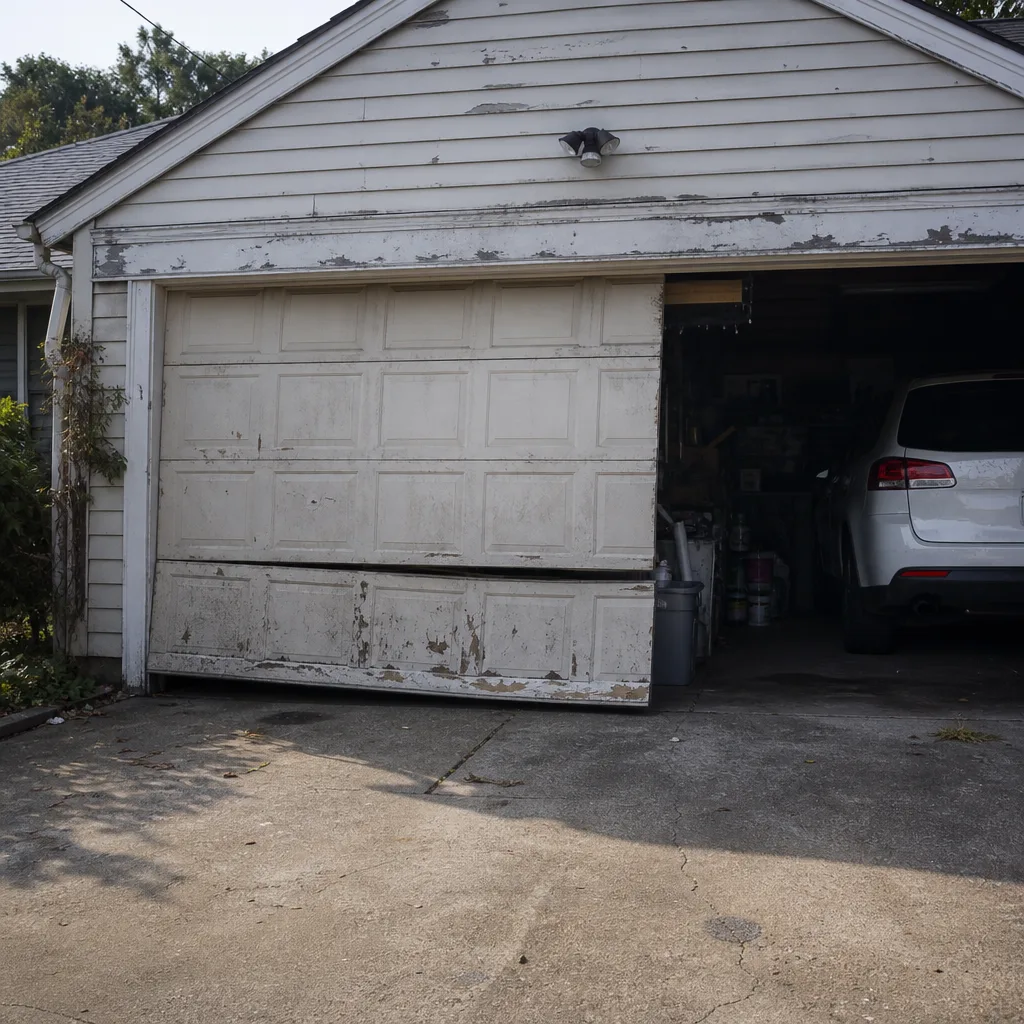 Before
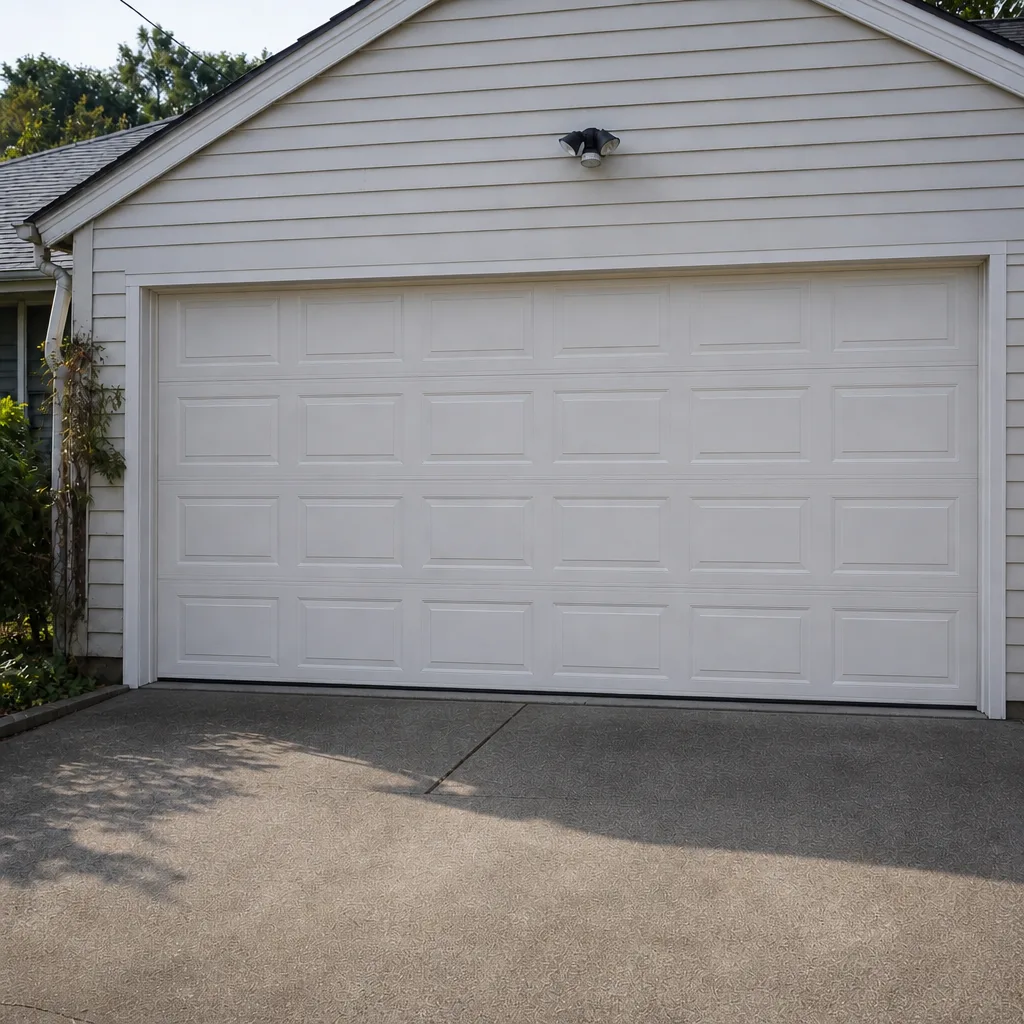 After
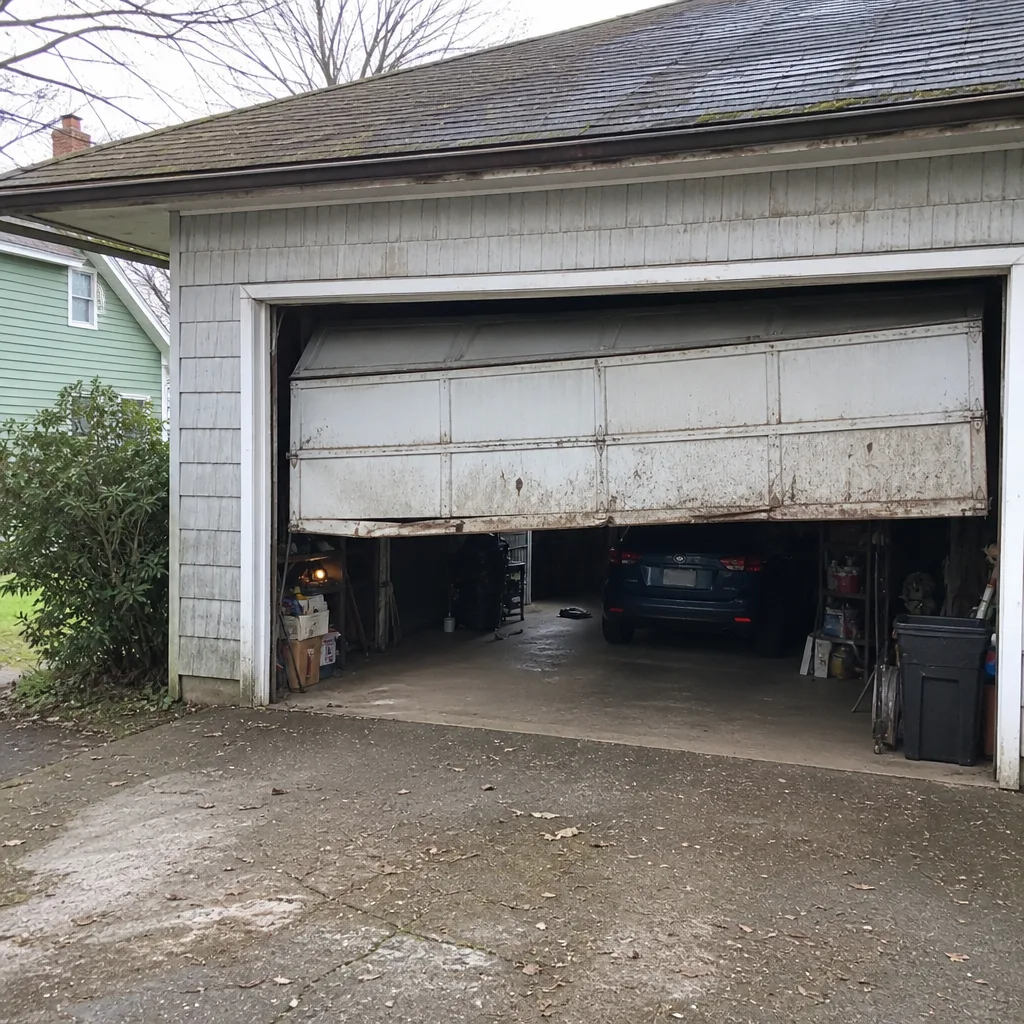 Before
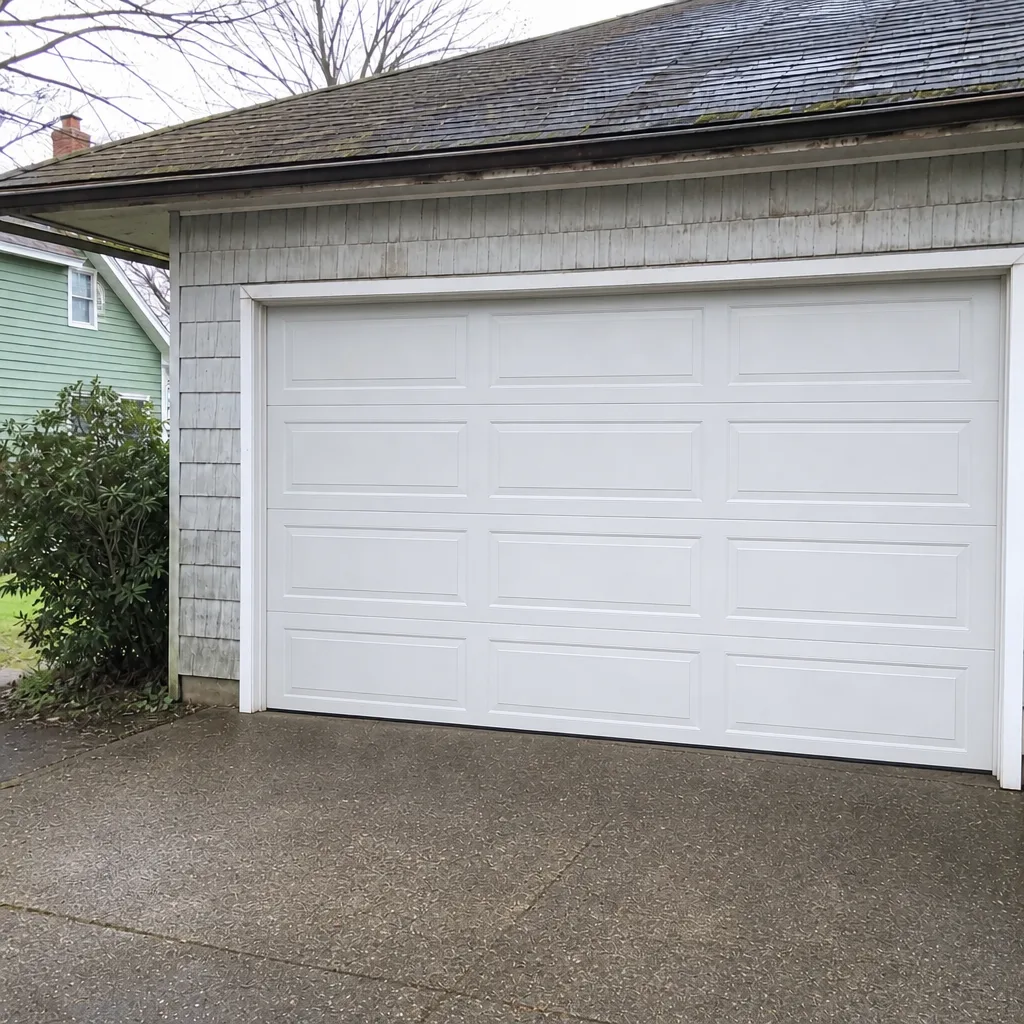 After
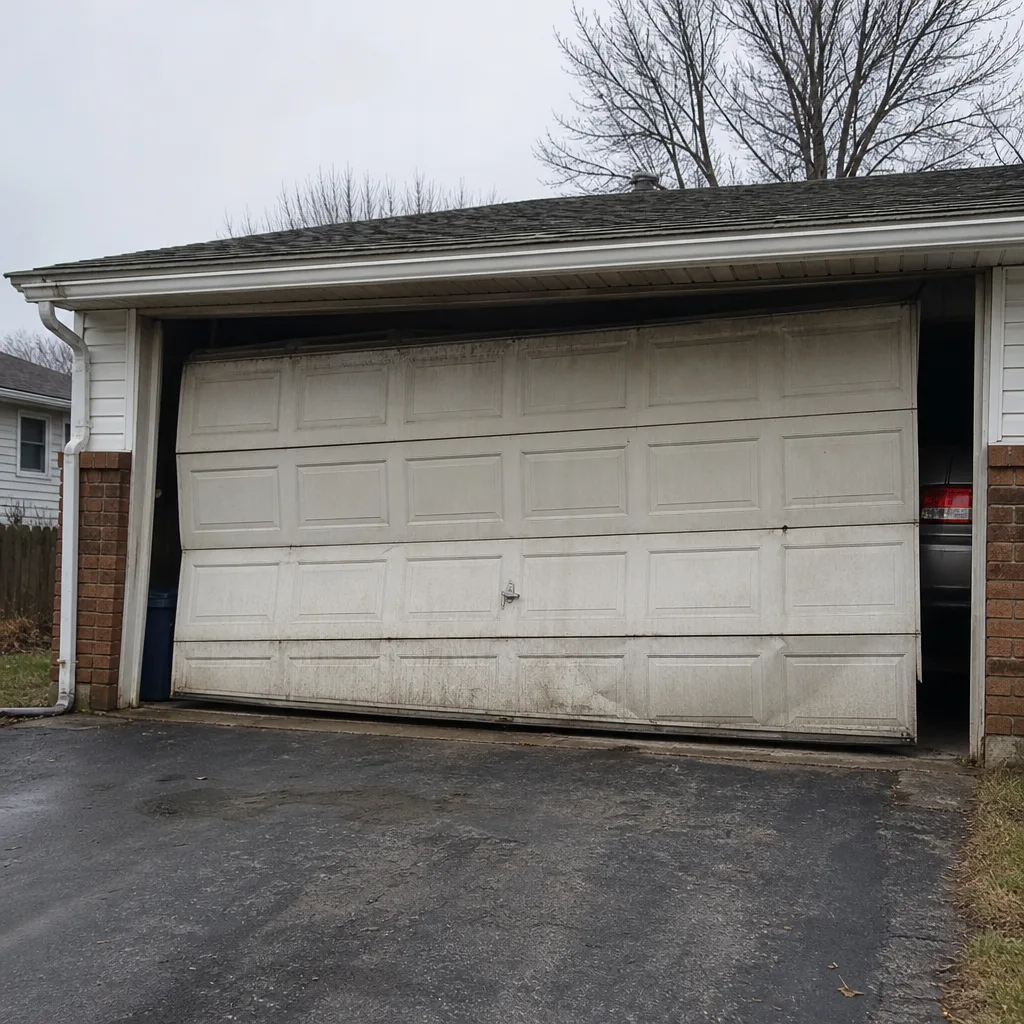 Before
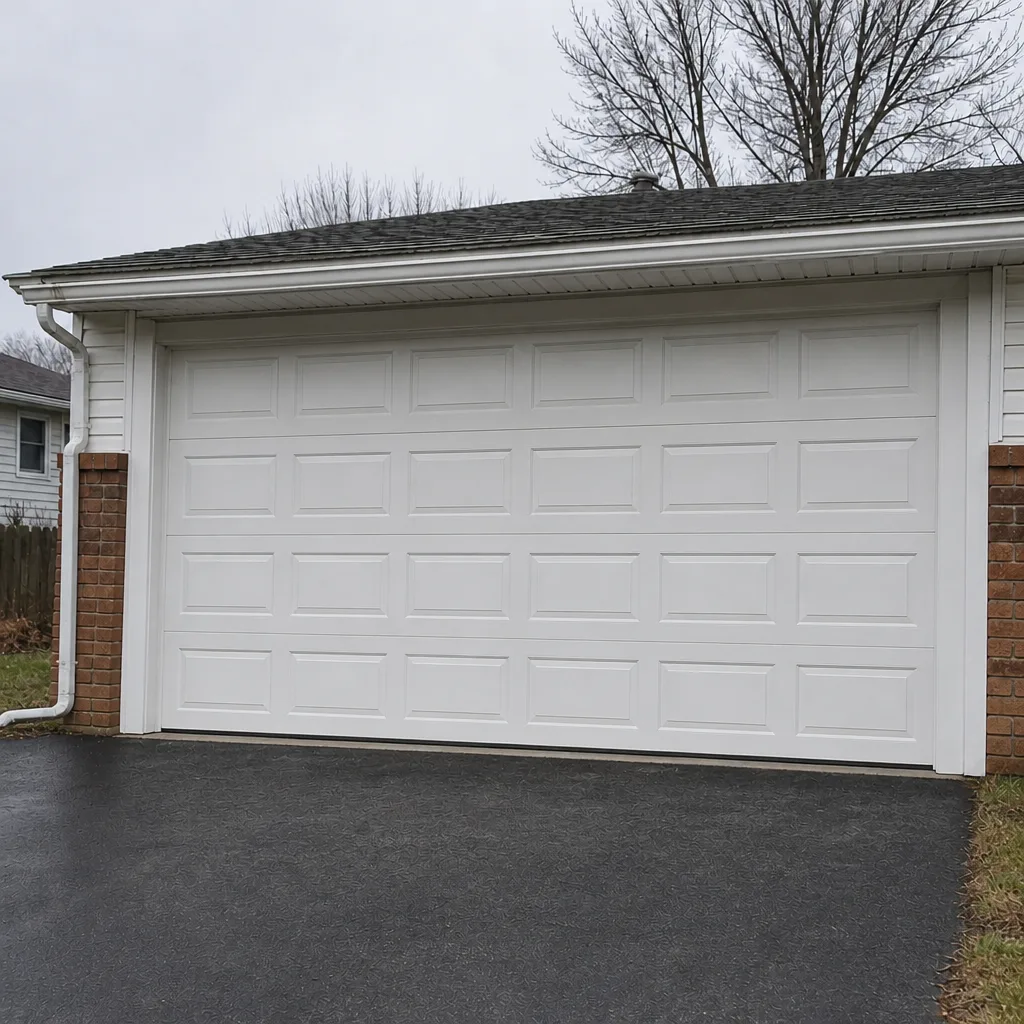 After