Last updated November 22, 2026
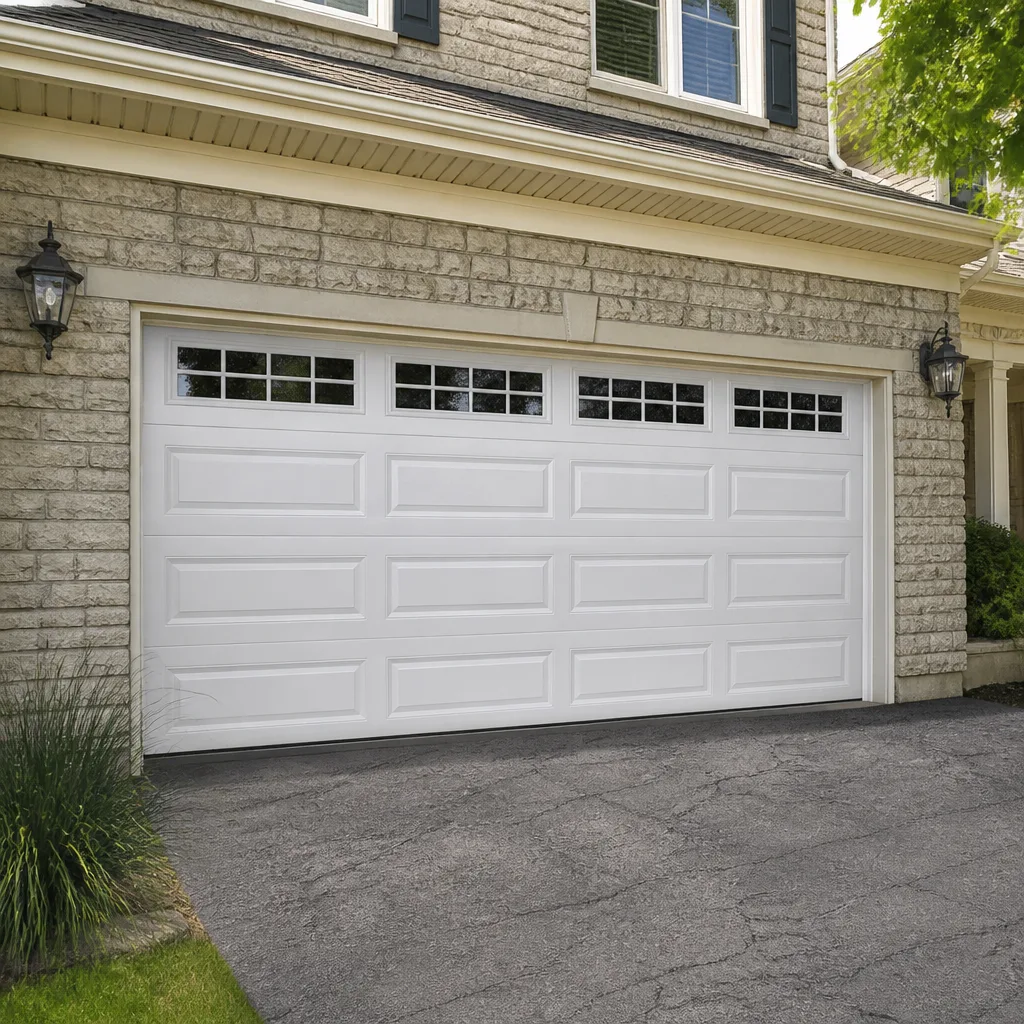 Raised-panel steel
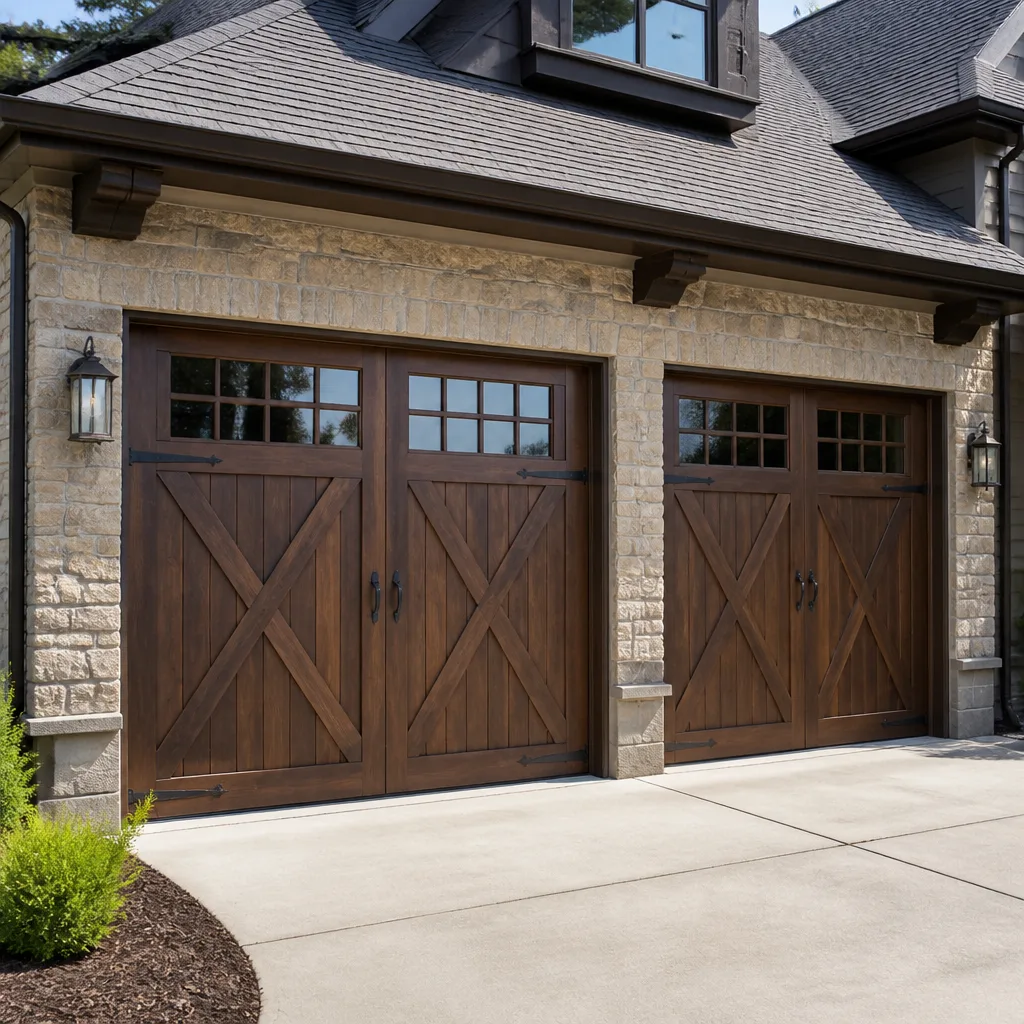 Carriage house
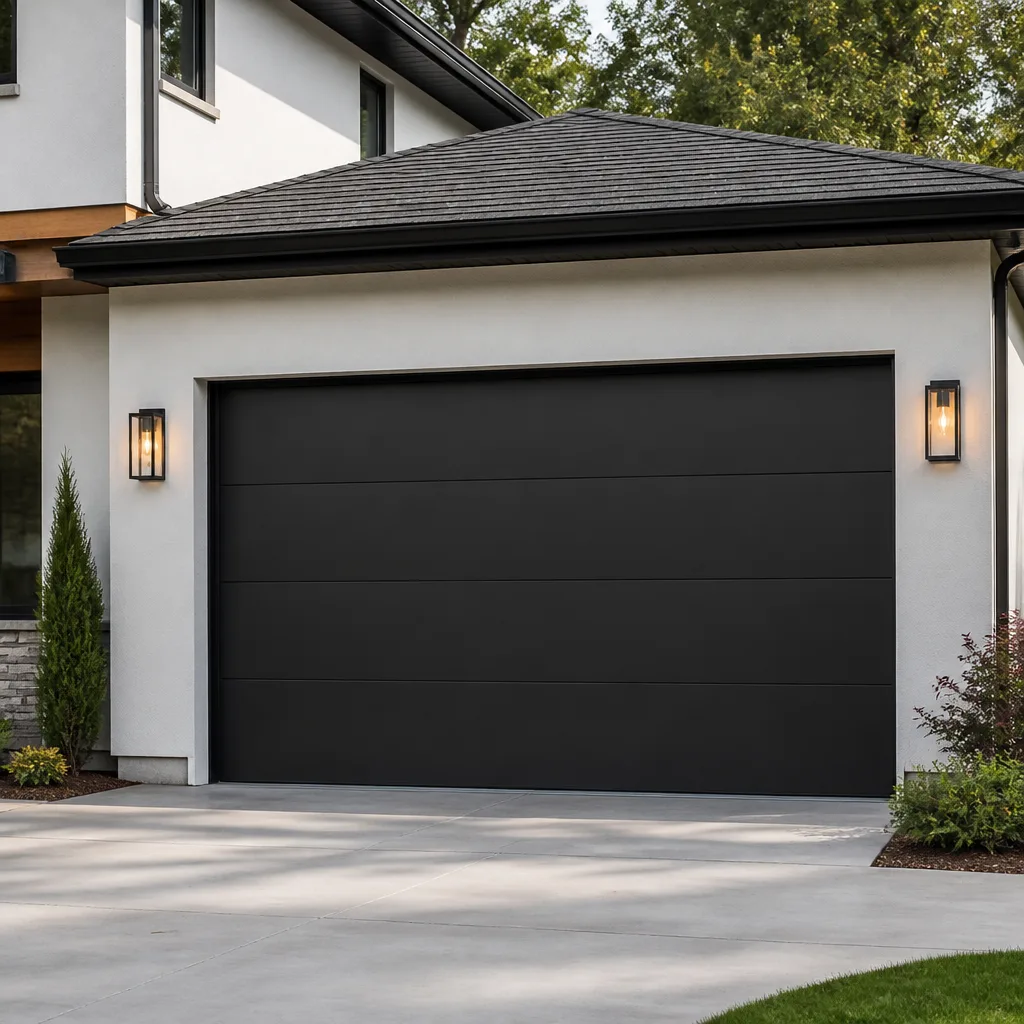 Modern flush
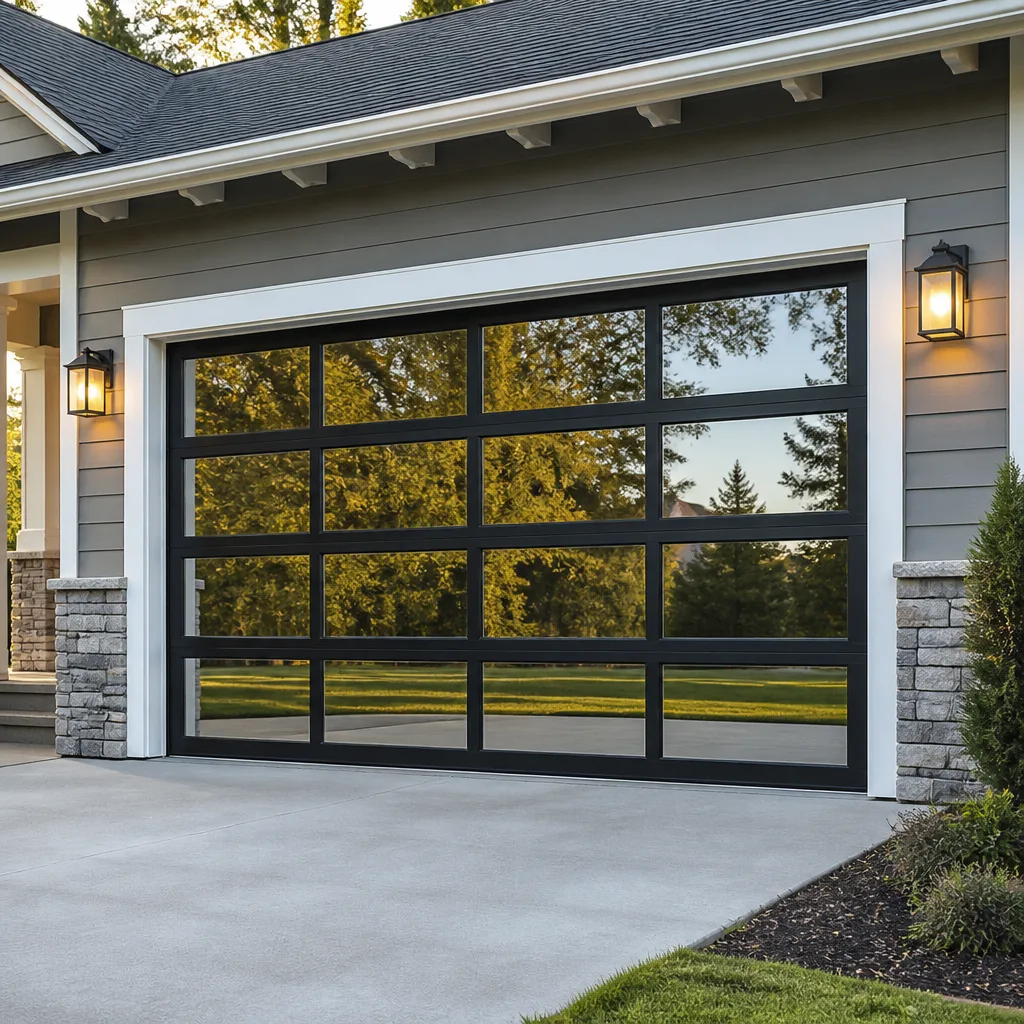 Full-view glass
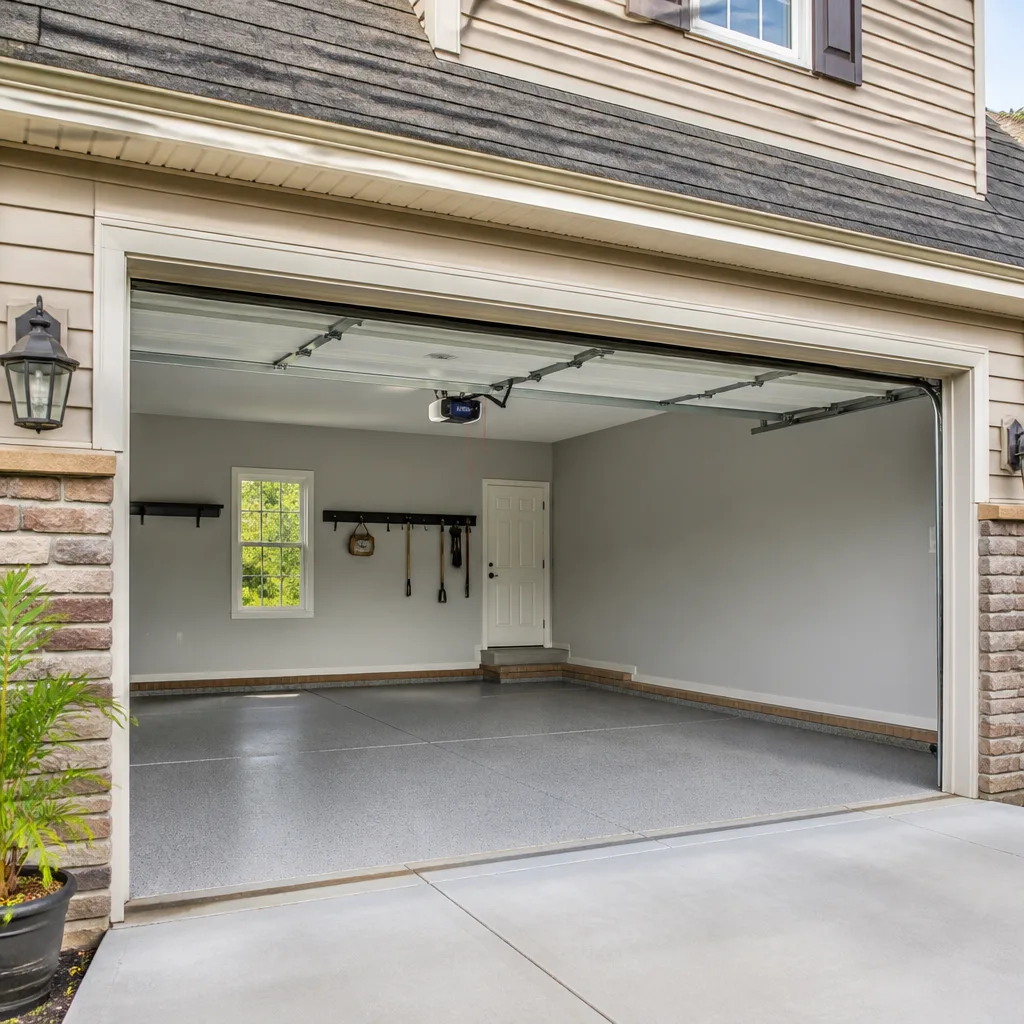 LiftMaster openers
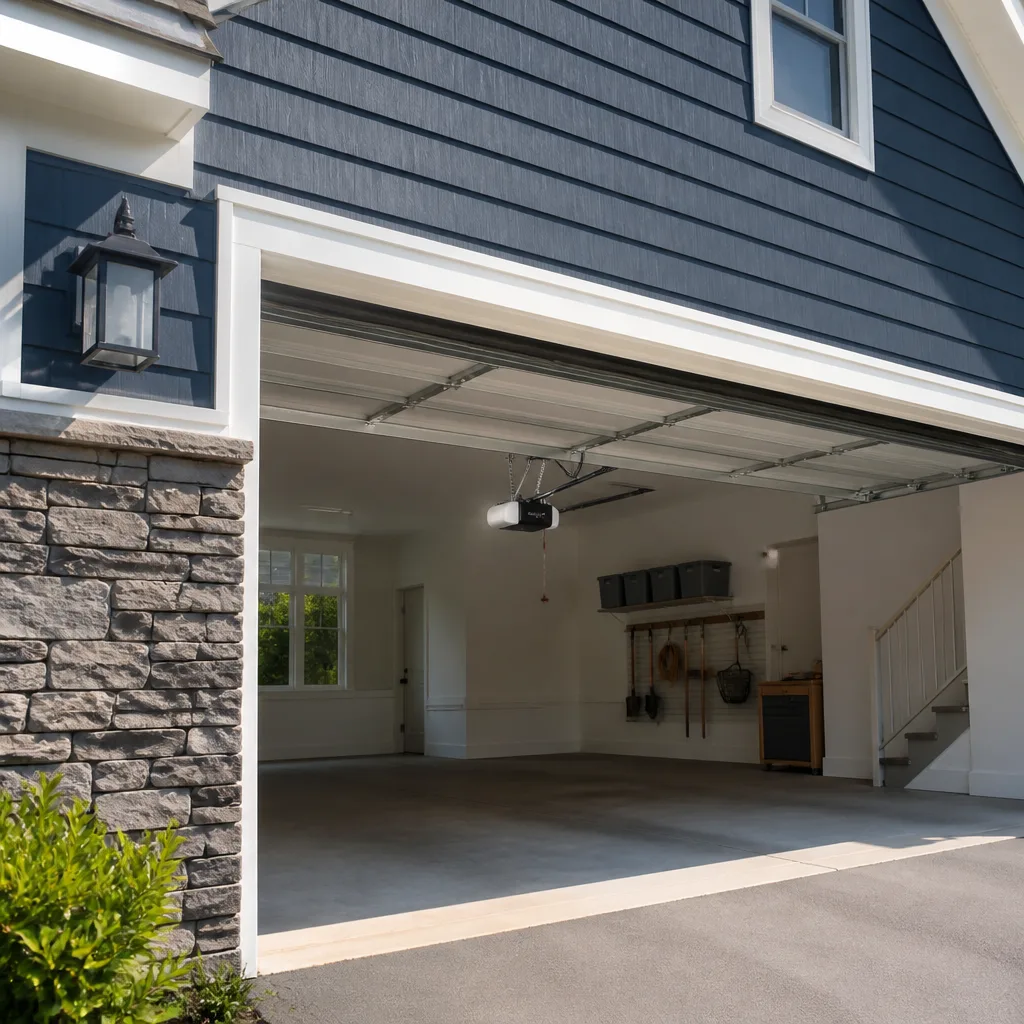 Chamberlain openers
Full 25-point door and opener safety check with every visit - springs, cables, rollers, tracks, and your LiftMaster or Chamberlain opener included
You get a price before we start. It does not change when the pro arrives.
Get your free estimateGarage Door Permits, Codes & Inspections in Middletown, CT: What You Need to Know
Replacing a garage door feels like swapping one part for another. Same opening, same size, done in an afternoon. But a garage door sits on a wall that separates your living space from a vehicle, and in Connecticut that wall carries rules. Lots of Middletown homeowners replace a door without asking whether a permit applies, not because they’re trying to cut corners, but because nobody told them the line exists. This guide walks that line in plain terms: when a permit is required, when it isn’t, how the inspection process works, and what to do if a previous owner left you with an unpermitted door.
Quick Answer
In Middletown, a building permit is generally required when garage door work changes the structure or the fire-rated assembly – widening an opening, replacing framing or headers, changing a door on an attached garage that forms part of the fire separation, or installing an automatic operator on a commercial-grade door. A straight like-for-like replacement of a residential door in the same opening, same size, same type, usually does not need one. When in doubt, call Middletown’s building department before you buy; the answer takes a few minutes and saves a headache at resale.
Styles & brands we work with
- Raised-panel steel
- Carriage house
- Modern flush
- Full-view glass
- LiftMaster openers
- Chamberlain openers
Table of Contents
- When does garage door work need a permit in Middletown, CT?
- When is a permit not required?
- What does the Connecticut State Building Code say about garage doors?
- How the Middletown permit and inspection process actually works
- What to do if a prior owner skipped the permit
- How HOA rules in Middletown neighborhoods interact with code
- Common mistakes to avoid
- When to call a professional
When does garage door work need a permit in Middletown, CT?
A Middletown building permit is required when the work touches the structure of the garage opening or the fire separation between the garage and the house. A garage door is not just a moving panel; it hangs off a header, a pair of jambs, and a set of tracks, and every one of those is structural or fire-related. If you’re changing any of them, you’re likely into permit territory.
Here’s where Middletown homeowners most often get tripped up. The work that needs a permit isn’t always the big work. It’s the work that changes something the house was inspected and approved with.
- Widening or heightening the opening. Cutting into a header to fit a wider door is a structural change. Full stop. A permit is required, and a structural inspection usually follows.
- Replacing or modifying the header or jambs. Same reason. The header carries load from above; the jambs carry the track. Both are inspected as structural elements.
- Changing the door on an attached garage that forms part of the fire separation. If your garage shares a wall or ceiling with living space, the door, the drywall, and the door from garage to house all work together as a fire-rated assembly. Changing any component usually needs a permit and an inspection of the assembly.
- Converting a garage to living space. This is the big one. Enclosing the garage, adding a room over it, or changing the door to a window or wall system turns the opening into a new wall – permitted and inspected as such.
- Adding a new garage where none existed. Full building permit, full inspection sequence, same as any addition.
- Commercial or oversized doors. Middletown’s commercial stock includes older buildings with heavy roll-up or overhead doors. Any operator install on a commercial door, and any change to a fire-rated door in a commercial building, needs a permit.
If your project is in the first four categories, budget time and a permit fee into the job. If it’s a straight door swap, the picture is different.
When is a permit not required?
A straight replacement of a residential garage door in the same opening, at the same size, with the same type of door, usually doesn’t require a Middletown building permit. The logic: you’re swapping one listed component for another and leaving the structure untouched. Most doors we install in Middletown fall into this category, and most homeowners never need to see the building department.
Here’s the checklist that separates “no permit” from “you’d better call”:
- Same opening size. Width and height unchanged, within the tolerance of the existing framing.
- Same door type. Sectional to sectional, roll-up to roll-up, tilt-up to tilt-up.
- No framing changes. You’re not cutting the header, sistering a jamb, or moving a track anchor point more than the framing allows.
- No fire separation change. The door that comes out and the door that goes in both meet the same fire-rated requirement for your attached garage.
- Operator replacement only. Swapping an opener on an existing residential door doesn’t usually need a permit, though it does need to be wired and adjusted correctly.
- Spring, cable, roller, or track repair. Repairs that restore the existing door to working order don’t usually involve the building department.
There’s a catch worth naming. “Usually” is doing heavy lifting in this section. Middletown’s building department makes the call on each project, and a homeowner who assumes no permit is required because the door is the same size can be wrong if, say, the original door was non-compliant for the fire separation and the new one is going in as part of a larger upgrade. When in doubt, pick up the phone. The building department would rather answer a question than inspect a surprise.
One thing worth saying clearly: an inspection is not a substitute for good work, and a permit is not a substitute for a qualified installer. A door that fails inspection because an opener was wired wrong or the balance is off was going to fail anyway. That’s part of why we handle garage door repair as the same job as the door install rather than a separate trade; the door, the spring, and the opener get checked together before anyone signs off.
What does the Connecticut State Building Code say about garage doors?
The Connecticut State Building Code applies statewide, and Middletown enforces it through its local building department. You don’t need to memorize chapter numbers to understand what the code cares about. Here’s the plain-language version of the parts that touch garage doors.
Fire separation for attached garages
An attached garage has to be separated from the house by a fire-rated assembly. In most residential construction that means drywall on the shared wall and ceiling, a self-closing, solid-core door from the garage into the house, and a garage door that meets the fire rating for the opening. The point is to slow a fire in the garage long enough for people to get out. A garage door on an attached garage is part of that assembly. A non-rated door, or a door with the wrong gap or hinge detail, works against the code’s intent, and inspectors look at it.
Door operator safety
Automatic garage door operators have to meet the safety standards for entrapment protection. In practice, that means the operator has a working reversal feature and, for most residential installs, a photo-eye or equivalent. Inspectors check that the operator was installed per the manufacturer’s instructions on that specific door. This is one of the reasons we push back when homeowners ask us to “just swap the opener” without checking the door; the operator and the door are a matched system.
Structural requirements for the opening
Any header, jamb, or post that supports the garage door has to be sized and anchored to carry the load. Older garages in Middletown sometimes have undersized headers from decades of additions and repairs, and inspectors flag those when a permit is pulled. That’s not a failure of the new door; it’s a structural question underneath it.
Egress and ventilation
A garage door isn’t an egress path, but the code cares that a garage used for storage or workspace has proper ventilation (especially for vehicles and equipment that produce carbon monoxide) and that the opening doesn’t create an unsafe condition for the house. Attached garages have to be separated per the fire-rating rules above, and a garage door that doesn’t close fully is a fire separation problem as much as an inconvenience.
A word about scope. The code says a lot more than this, and the exact requirement depends on your home’s construction type, occupancy, and history. The right move is to have the building department tell you which parts apply to your project. They do this every day, and they’re not looking to make your life harder.
How the Middletown permit and inspection process actually works
The Middletown permit and inspection process for a garage door project follows the same general steps as any other residential building permit in the city. Here’s the sequence, in plain terms, so you know what to expect.
Step 1: Call the building department before you buy anything
Start with the City of Middletown’s building department. Describe the project: what door is coming out, what door is going in, whether the opening is changing, and whether the garage is attached or detached. They’ll tell you whether a permit is required and what the application needs. This call costs nothing and beats finding out at resale that your door should have been permitted.
Step 2: Submit the permit application
If a permit is required, the application typically needs a description of the work, the address, the value of the project, and any plans or manufacturer specs the department asks for. For a door replacement with structural changes, that usually includes the door specifications and the framing detail. For a conversion or new opening, expect a more involved submittal.
Step 3: Pay the fee and get the permit issued
Permit fees in Connecticut are typically based on the value of the work, with a minimum fee for small projects. The department will tell you the exact amount. Once the permit is issued, you (or the contractor you’ve hired) can schedule the inspection with the code official.
Step 4: Schedule the inspection
The inspector comes out at the stage the permit specifies. For a structural change, that’s usually a framing inspection before the door is hung and a final inspection after. For a fire-rated assembly change on an attached garage, the inspection verifies the door and the adjoining wall components. Plan to be on site or have your installer on site; the inspector needs to see the work, not hear about it.
Step 5: Final inspection and sign-off
The final inspection confirms the door, operator, and surrounding assembly meet code. Once it passes, the permit is closed. Keep the paperwork – the closed permit is what protects you at resale. If the job fails the first time (it happens; inspectors flag things like undersized headers or a missing photo-eye), the fix and re-inspection are typically within a couple of weeks, not months.
Typical timelines
A simple door-replacement permit with no structural work is usually issued within a few business days of a complete application. Structural work takes longer, and the inspection timeline depends on the department’s schedule and the project. It’s not a fast process, and anyone who tells you it is hasn’t been through it. If the timeline matters to you – and it usually does at resale – pull the permit before you buy the door, not after.
What to do if a prior owner skipped the permit
You find out at the worst time. Maybe your real estate attorney flags an unpermitted garage door modification three days before closing, or your own inspection turns it up. It’s more common than homeowners expect, especially on older Middletown houses with additions, garages, and door changes done across several owners. The prior owner isn’t the problem; the unpermitted assembly is, and it has to be dealt with.
Here’s how to identify an issue and what to do about it.
How to spot an unpermitted garage door install
- Pull the permit history. Your town’s building department can tell you what’s on record for the address. Anything unpermitted in the file is a red flag.
- Look at the door and the opening. A door that doesn’t fit the original framing, a header that’s been cut, tracks that were re-anchored, or a fire-rated door replaced with a non-rated one are all signs of a modification without a permit.
- Check the operator wiring. A swap done without a permit often comes with an opener that was wired without a proper connection or without a photo-eye, which an inspector would have caught.
- Ask the seller. If the seller claims the work was done permitted, ask for the closed permit. No paperwork, no proof.
- Have the door inspected by a specialist. A pro can tell you whether the door matches the opening, whether the assembly is compliant, and what it would take to bring it up to code.
What your remediation options are
- Pull a permit now. You can usually apply for a permit for the existing work and have it inspected retroactively. It costs the permit fee and the inspection wait, and it puts the paperwork in the file.
- Bring the door up to code. If the inspection finds a problem, the fix might be a proper fire-rated door on your attached garage, an operator upgrade, or a header repair. That’s the work you’d have needed anyway; the permit just forces the issue.
- Document what’s already compliant. If the current door already meets the code for your assembly, an inspection can close the permit without you replacing anything.
- Disclose, then fix. At resale, the cleanest path is to resolve it before closing. Buyers and their attorneys will ask; sellers who can’t produce a closed permit usually end up negotiating on it anyway.
In our experience, the unpermitted door issue is rarely catastrophic. It’s a paperwork problem with a real fix. The homeowners who handle it well treat it as part of the pre-listing inspection, not as a crisis discovered at the closing table.
How HOA rules in Middletown neighborhoods interact with code
Building code sets the floor. Your homeowner association can set a higher bar, and in some Middletown communities, it does. A garage door that passes a code inspection can still fail an HOA review because it doesn’t match the architectural standard for the neighborhood, and a door that meets the HOA standard can still need a permit because the structure changed. Both processes run in parallel.
Where HOAs add requirements:
- Appearance. Color, panel style, window pattern, and the hardware finish. Many associations specify what a replacement door has to look like to match the neighborhood.
- Materials. Some require a specific panel construction or finish, which can affect which door you can install.
- Installation details. Visible track and hinge hardware sometimes has to meet an aesthetic standard, which can affect the door you buy.
- Opener specs. Some associations want quieter operators or specific safety features for doors near shared walls or bedrooms.
- Approval sequence. Most HOAs want the architectural application approved before installation starts, not after. Submitting after the door is up is the fastest way to a compliance letter.
The practical move for Middletown homeowners in an HOA community: get the HOA approval and the building permit in motion around the same time. If the association has a design standard, hand it to your installer with the door specs. The manufacturer’s literature on the door you’re considering – whether a Clopay or Amarr model or another brand – will tell you the panel style and finish options that matter to the HOA. We’ve worked with enough Middletown doors to know that a door that satisfies one process usually satisfies the other if the paperwork starts early.
If your home is in a historic district, there’s a third layer: the local historic commission. Any door visible from the street is usually subject to review. If you’re not sure whether your neighborhood is covered, call the city before you order. The review is a formality for homeowners who plan ahead and a headache for those who don’t.
Common Mistakes to Avoid
- Assuming “same size” means “no permit.” Size is one factor, but a door change on an attached garage fire separation or a re-anchored track can require a permit even when the opening size is unchanged. Call the building department to confirm.
- Pulling the permit after the door is installed. Middletown’s process expects the permit before or at the start of the work, and inspectors don’t love retroactive permits. It’s fixable, but it costs time.
- Forgetting the HOA. Code and HOA are separate reviews. A door that passes code but doesn’t match the neighborhood standard will get a letter from the association. Get both approvals before you order.
- Skipping the fire separation check. Homeowners replacing a door on an attached garage sometimes install a non-rated door because they liked the look. That’s the exact component inspectors check.
- Not keeping the paperwork. A closed permit is the document that protects you at resale. Lose it and you’re reconstructing the file from the town’s records.
- Hiring a generalist who doesn’t know the code. A door installer who’s never pulled a Middletown permit is guessing on the code sections that matter. A specialist knows what the inspector will look for.
- Ignoring signs of an unpermitted prior install. A door that doesn’t fit its framing or an opener wired without a photo-eye is a problem you’ll inherit. Have it checked before you close, not after.
When to Call a Professional
Some of the work in this guide is paperwork you can handle yourself. The physical work is a different question. Call a professional when the door is on an attached garage fire separation, when the opening size or framing is changing, when the spring or cable system is involved, or when the operator has to be matched to the door. Springs and cables are under serious tension, and the wrong adjustment is a genuine injury risk; that’s a job for someone with training and the right tools. We handle the full span from garage door spring repair through a full door replacement, and we can tell you early whether your Middletown project needs a permit and what inspection it will need. Our technicians have up to 11 years of experience, and we work with the brands you’re likely to have in front of you, from Chamberlain and Genie operators to Clopay and Amarr doors. Bramley Garage Door Repair offers free estimates in Middletown – call (877) 492-2037. A written estimate, with the permit question answered up front, is the cleanest way to start a door project. Skip the guesswork and get a proper look at the door, the opener, and the assembly before anyone buys a panel.
See the difference
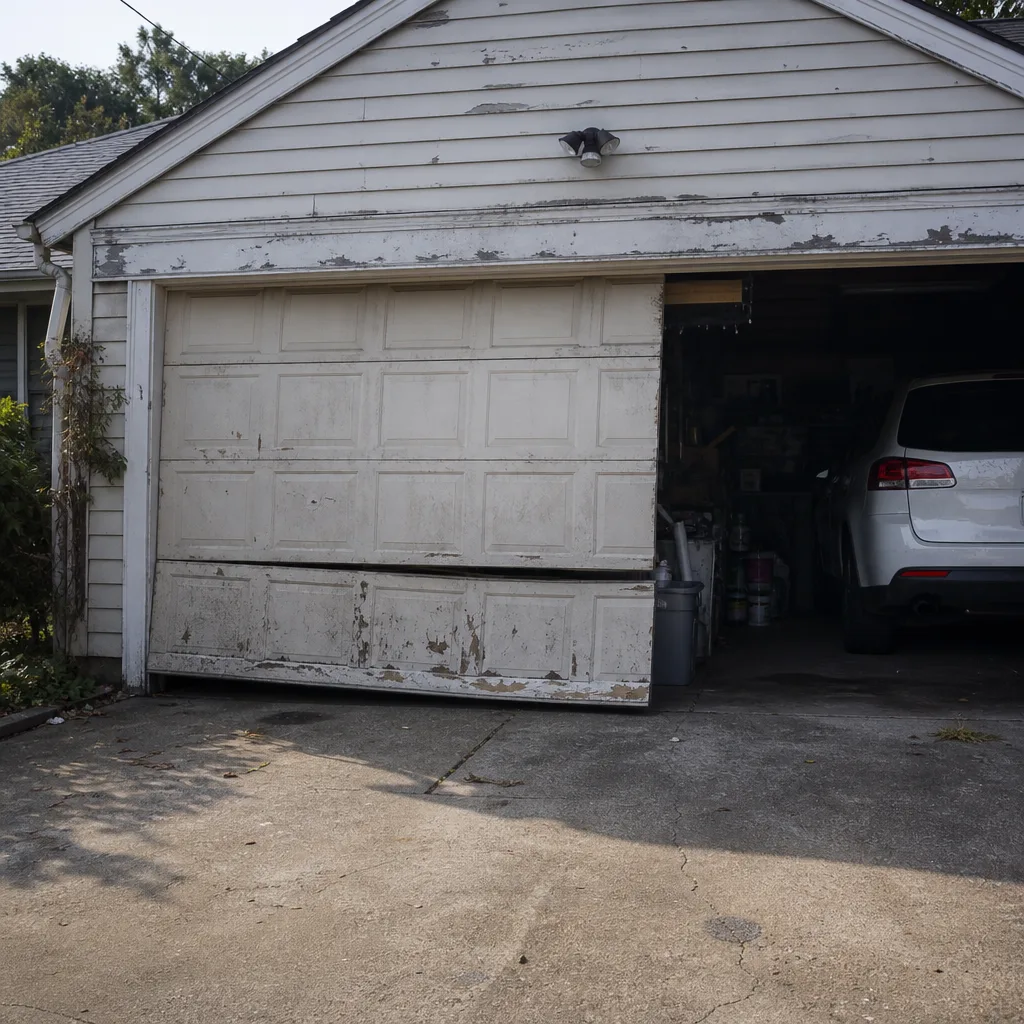 Before
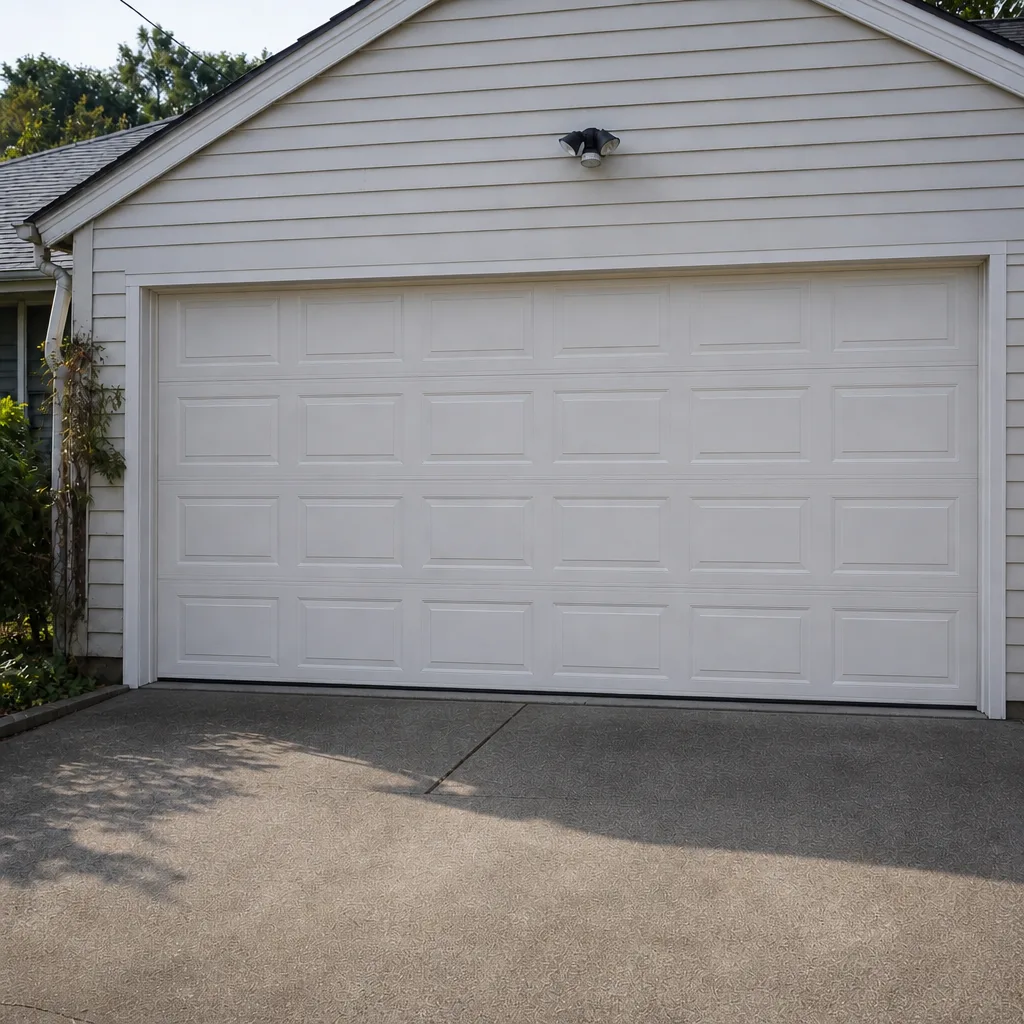 After
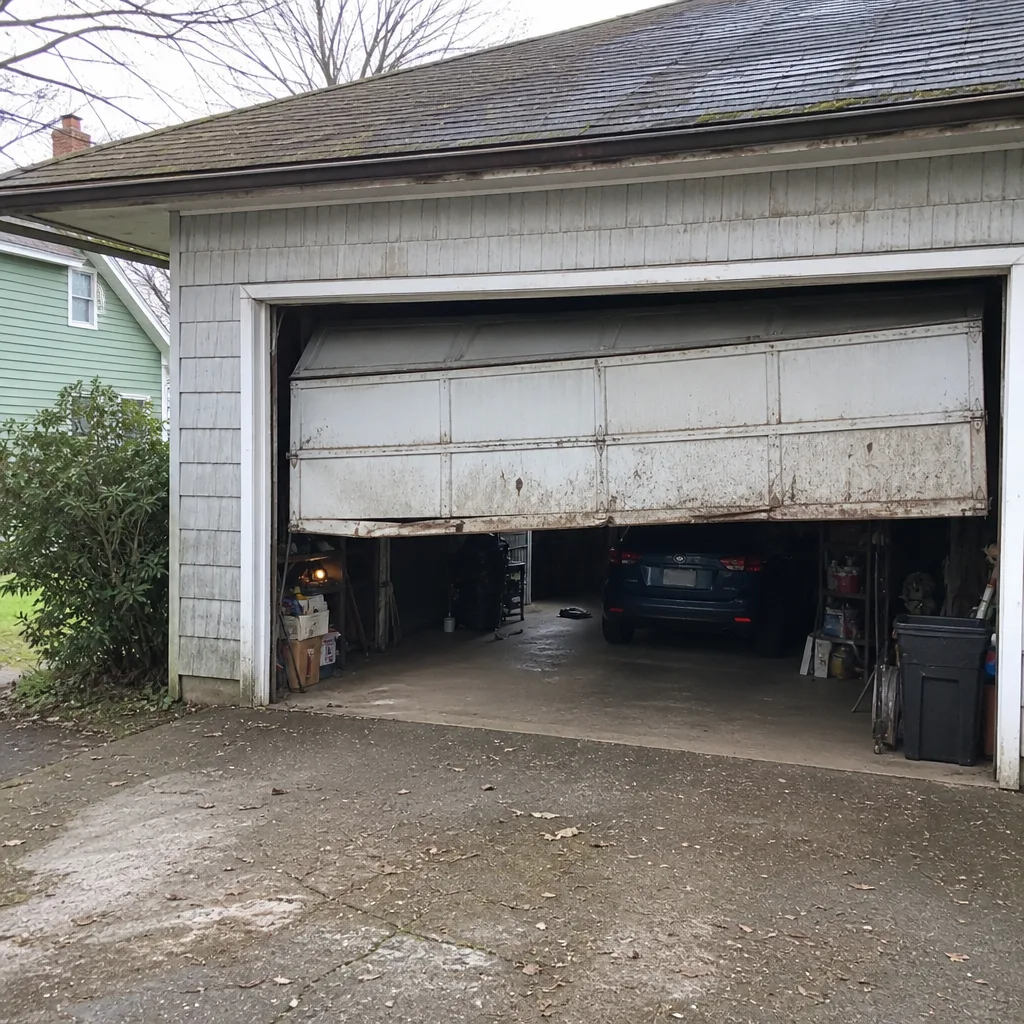 Before
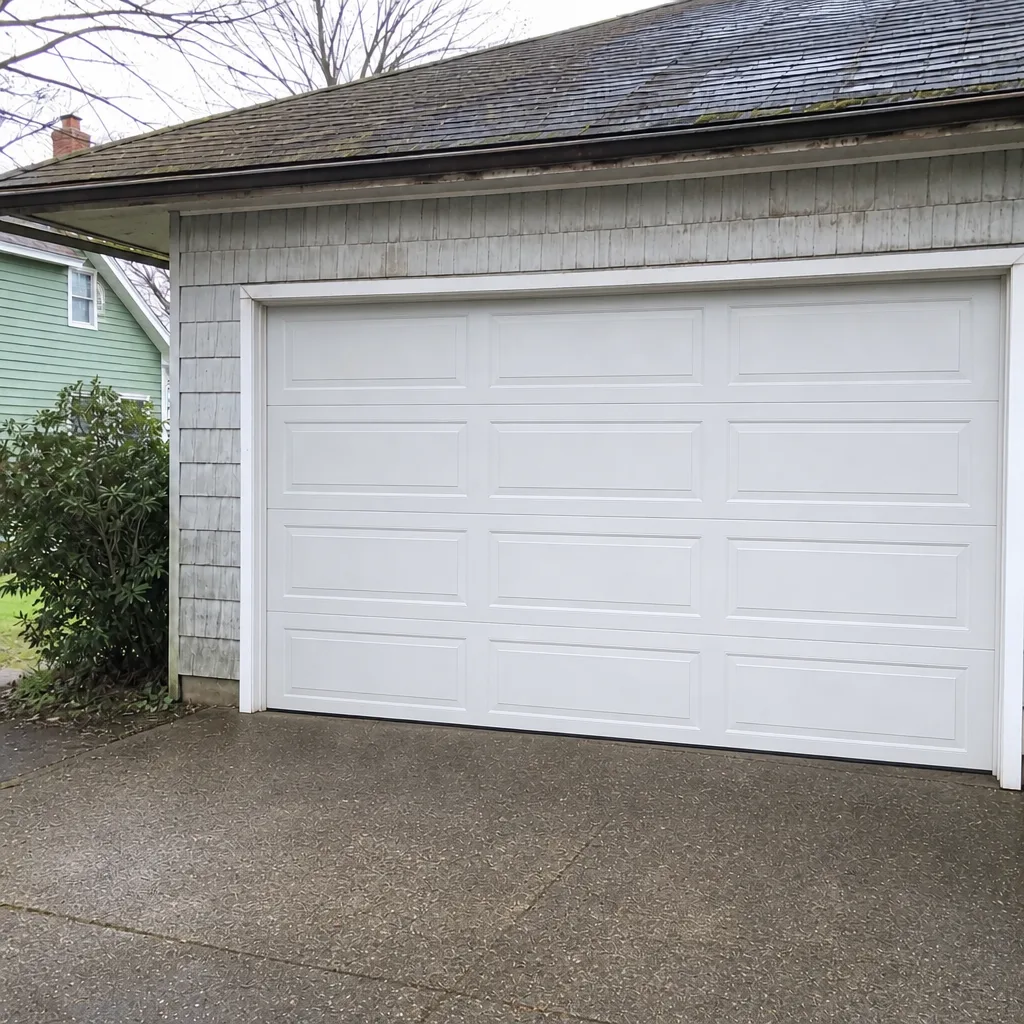 After
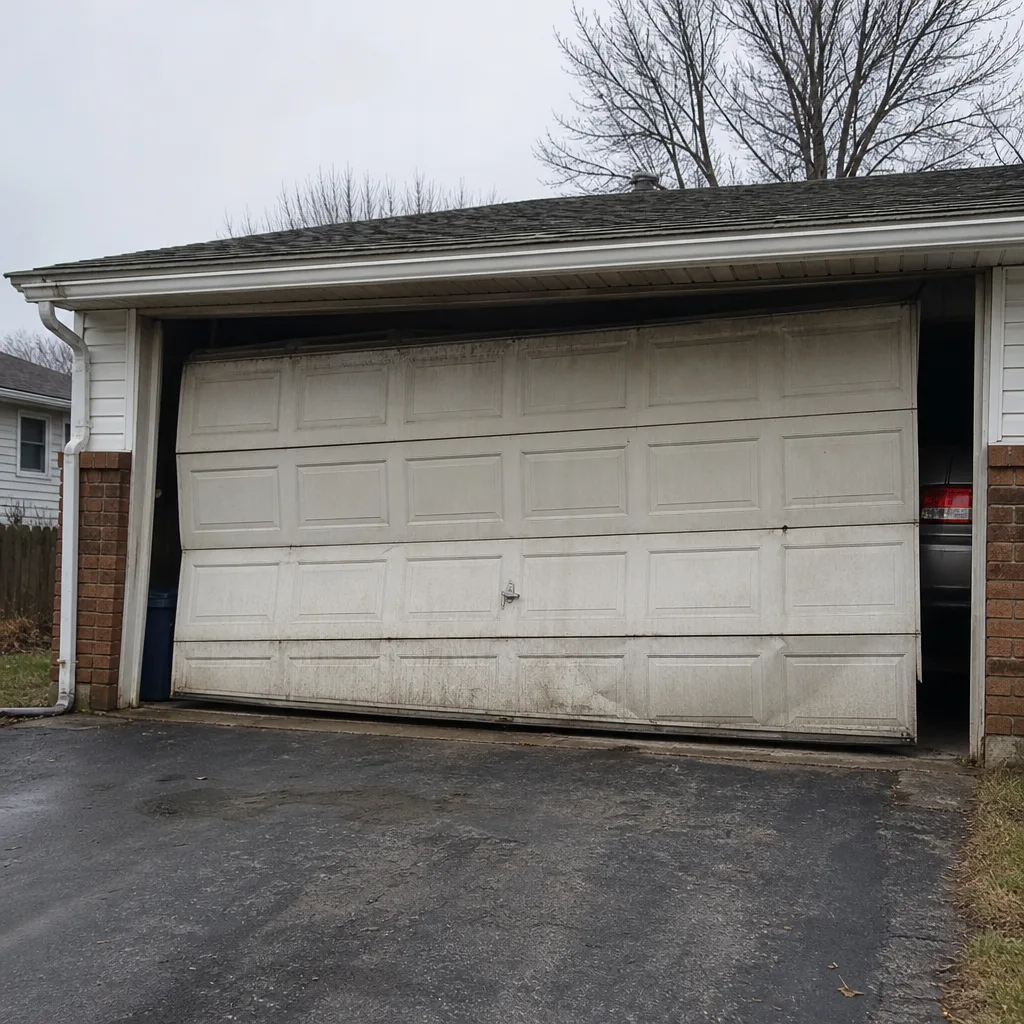 Before
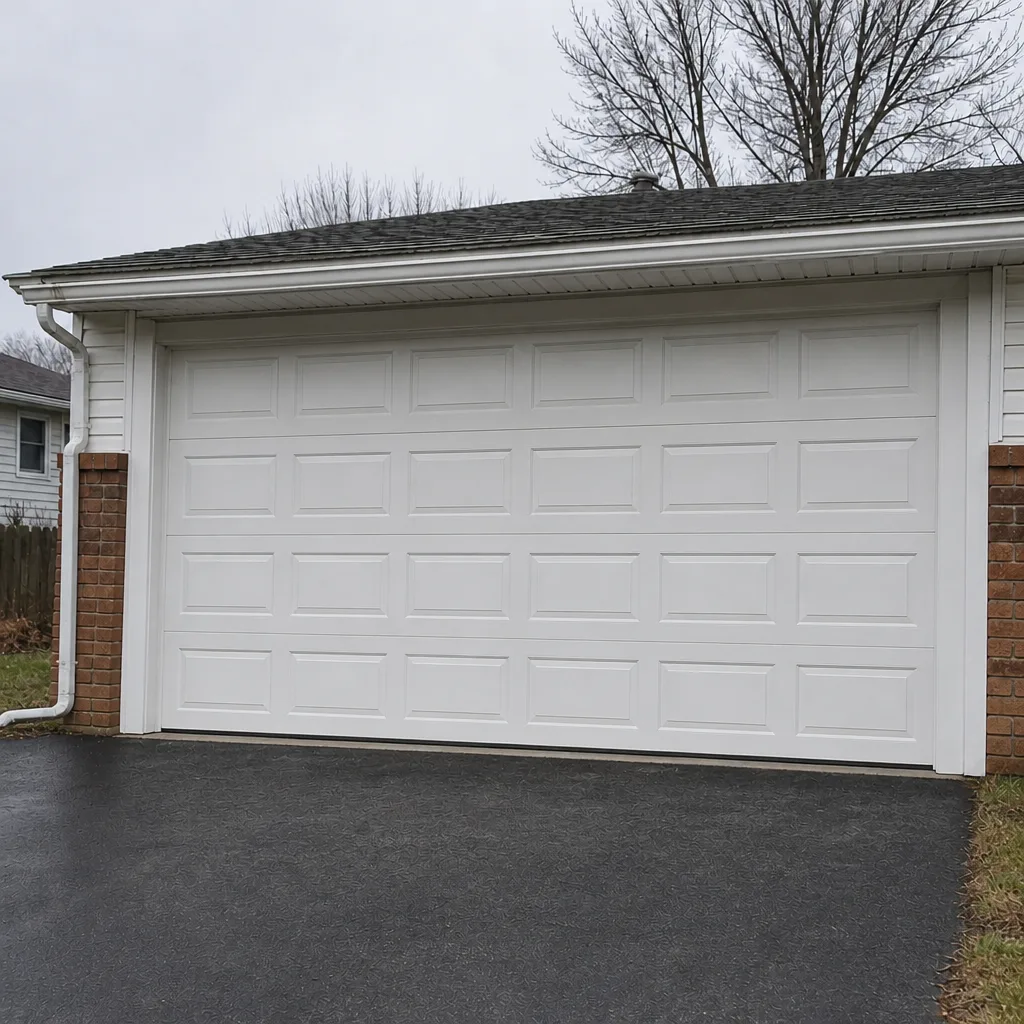 After
Frequently Asked Questions
Usually not, if you’re replacing a residential door in the same opening, at the same size, with the same type of door and no structural changes. You do need a permit when the opening or framing changes, when the door is part of an attached garage fire separation and the assembly changes, or when the work affects a commercial or fire-rated door. Call Middletown’s building department to confirm; they’ll give you a straight answer in a few minutes. Call (877) 492-2037 if you want a specialist to look at the door and tell you what’s likely required before you call.
Nothing happens immediately, which is why it gets missed. The problem usually surfaces at inspection, at resale, or when a neighbor’s project triggers a review of the area. You can pull a permit retroactively in most cases and have the work inspected, but it costs time and a fee. The cleanest path is to confirm the permit requirement before the door goes up. Call (877) 492-2037 for a free estimate and we’ll walk through the permit question with you.
The Middletown building department’s code official inspects the work, typically at a framing stage and a final stage. They look at the structural elements of the opening, the fire separation on attached garages, the operator and its safety features, and whether the door was installed per the manufacturer’s instructions. A passed inspection means the assembly meets the Connecticut State Building Code – not that the door was installed well, which is a separate question. Call (877) 492-2037 to have us look at the install from a specialist’s perspective.
A simple replacement permit with no structural changes is usually issued within a few business days of a complete application. Structural changes take longer, and the inspection timeline depends on the department’s schedule and the project. It’s not instant, and anyone who says it is hasn’t been through it. Budget the time before you order the door. Call (877) 492-2037 if you want a free estimate while you sort out the permit question.
If your community has an architectural review process, yes, approval comes before the door goes up. HOAs can set appearance standards for color, panel style, and materials that go beyond code, and some also specify operator features. Get the HOA approval and the building permit in motion at the same time so neither holds up the other. Call (877) 492-2037 and we’ll tell you what a replacement door that matches the neighborhood standard will look like.
Pull the permit history for the address, have the door inspected, and apply for a permit for the existing work. In most cases you can get the assembly inspected retroactively and the permit closed without replacing anything, provided the door and fire separation meet code. If they don’t, the fix is usually a proper door or an operator upgrade – the same work you’d have needed anyway. Call (877) 492-2037 for a free estimate and a specialist’s read on what the assembly needs.
Order of Operations for a Middletown Door Project
One more piece of guidance worth putting in one place. The order in which you do these things matters more than the speed at which you do them.
- Have the door and the assembly assessed. Know what’s going in, what’s coming out, and whether the opening or fire separation is changing.
- Call the Middletown building department. Confirm whether a permit is required and what the application needs.
- Check the HOA (and historic district, if applicable). Submit the design approval request at the same time as the permit, not after.
- Get the written estimate. Confirm the price for the door, the install, and any structural or fire separation work before anyone orders.
- Apply for the permit and pay the fee. Do this before the door goes up.
- Install the door and the operator. The garage door opener repair question – replacing, upgrading, or matching an operator to the new door – gets settled here, not later.
- Schedule the framing and final inspections. Be on site or have your installer on site.
- Keep the closed permit. It’s the document that protects your resale.
If you’re replacing the whole door system, we handle the full install and can talk through the permit question with you early. If a spring or cable is involved, that’s a repair that usually doesn’t need a permit but absolutely needs a trained hand. Our spring repair service exists because the component fails often and gets mishandled often, and we treat it accordingly. If you’re new to the area and want to start with the basics on how these systems work, our main page for Bramley Garage Door Repair covers the full range of residential door and opener work we handle.
The Bottom Line
The permit question for garage door work in Middletown comes down to one test: is the structure or the fire separation changing? A straight like-for-like door swap usually doesn’t need a permit. Anything that cuts, moves, or changes the opening, the framing, or the fire-rated assembly does. The paperwork is the boring part and the part that protects you at resale. Confirm the permit requirement before you buy, get the HOA approval in motion at the same time, and keep the closed permit in your home file. If a previous owner skipped the step, treat it as a fixable paperwork problem and handle it before closing. A specialist can look at the door and the assembly and tell you exactly what’s needed – and what isn’t – without a sales pitch.
If you’re planning a door project in Middletown – a replacement, a new install, an opener upgrade, or a spring repair – call Bramley Garage Door Repair at (877) 492-2037 for a free estimate. We’ll walk through the door, the assembly, and the permit question with you, and give you a written estimate before any work starts. That’s the piece of mind that comes from knowing the whole job up front, not the part that gets figured out at closing.
Written by the team at Bramley Garage Door Repair.