Last updated November 22, 2026
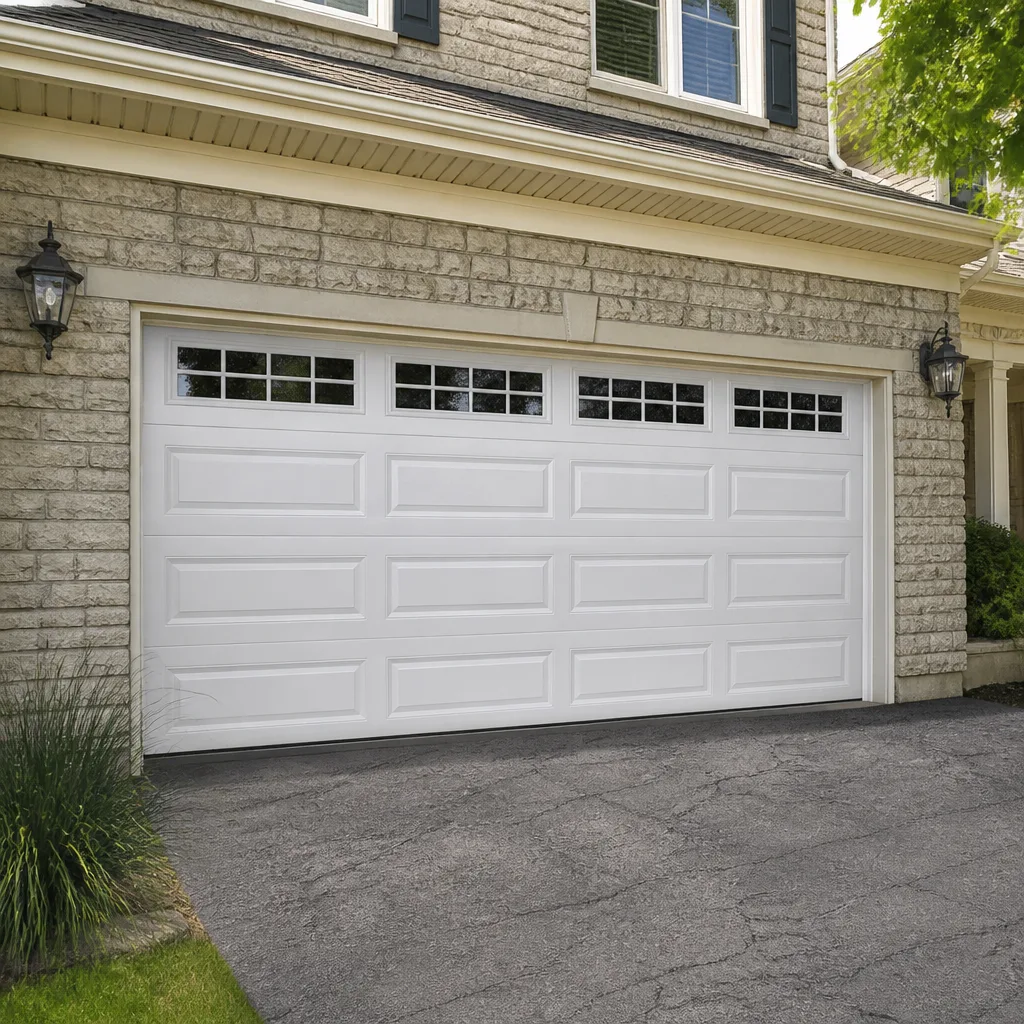 Raised-panel steel
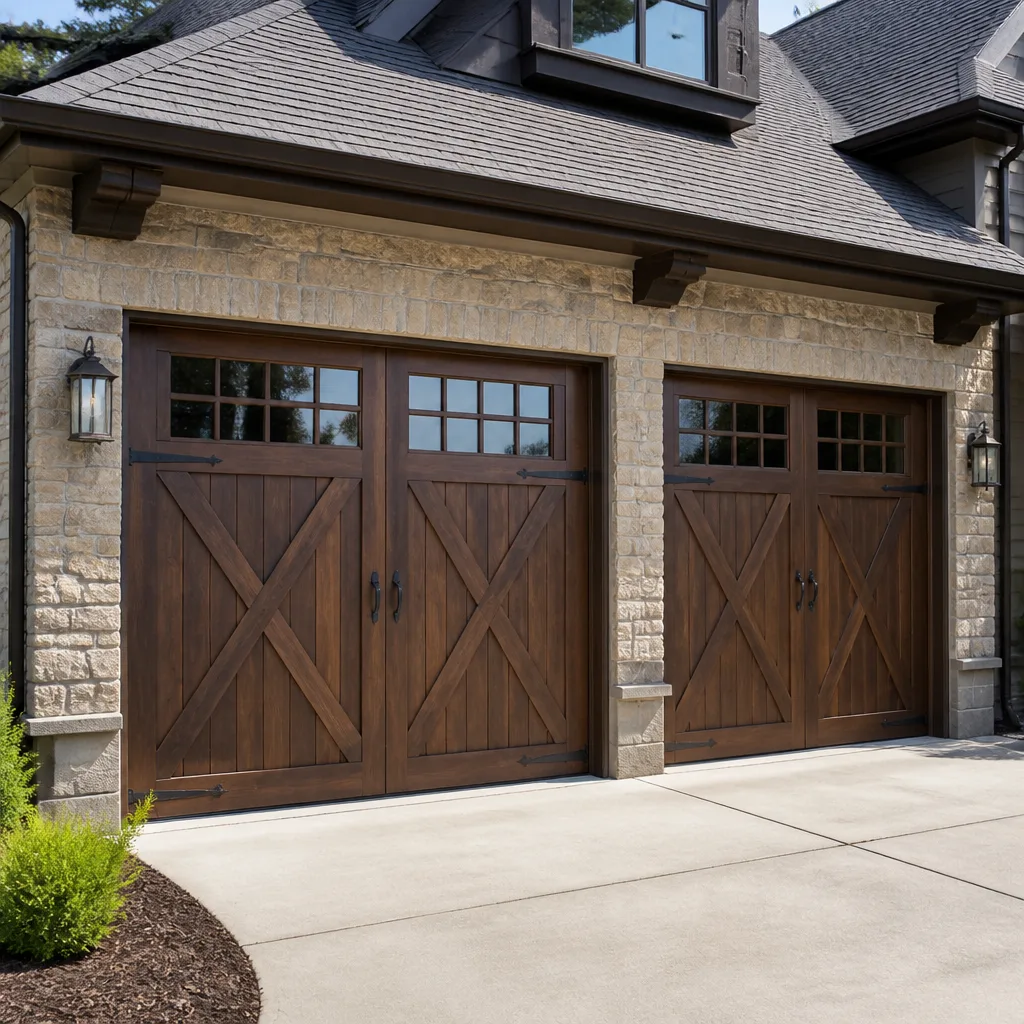 Carriage house
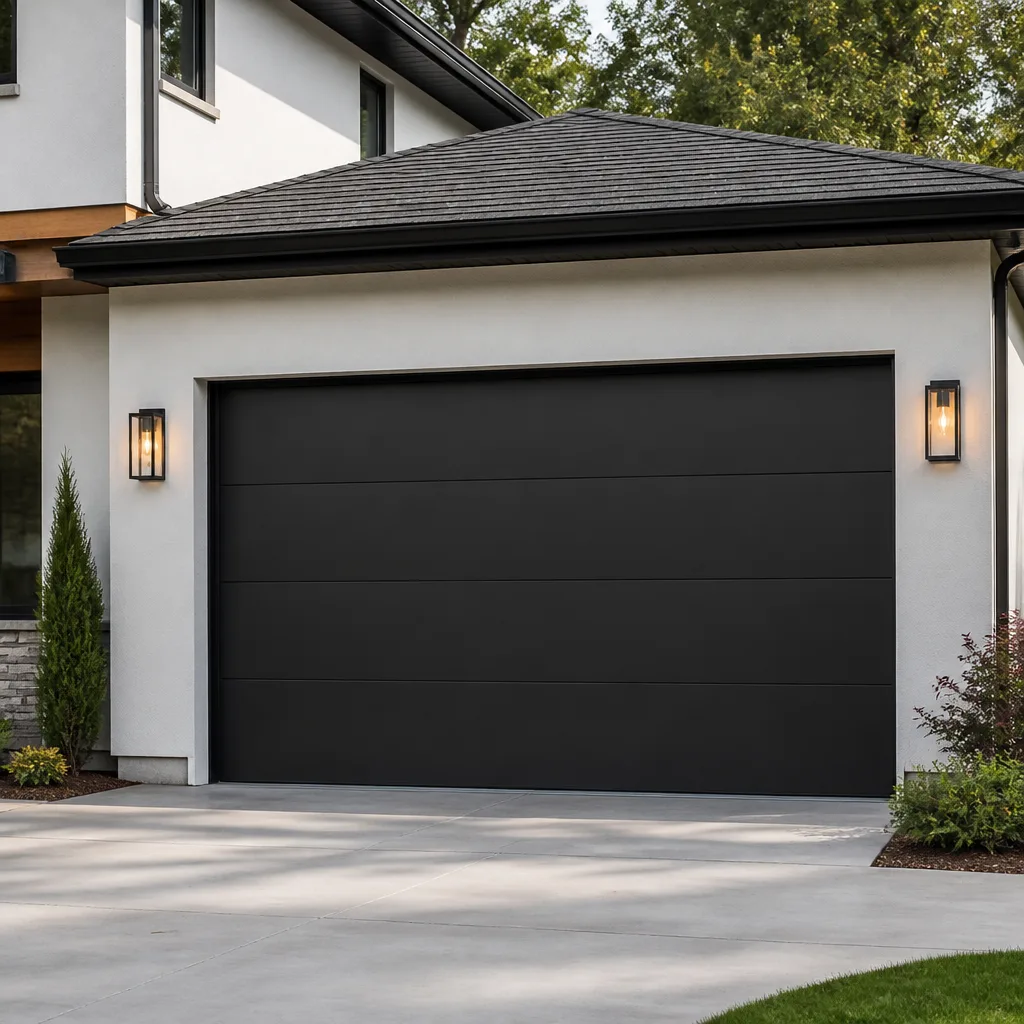 Modern flush
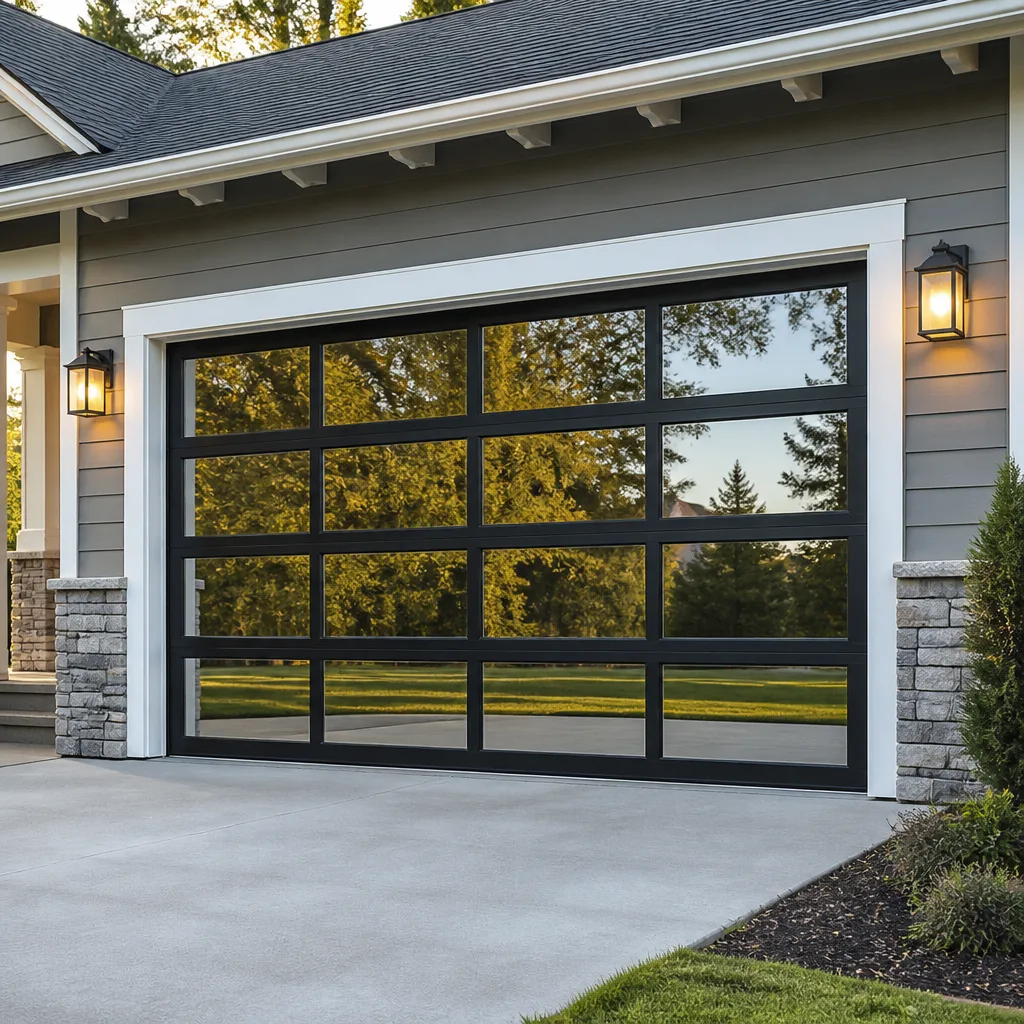 Full-view glass
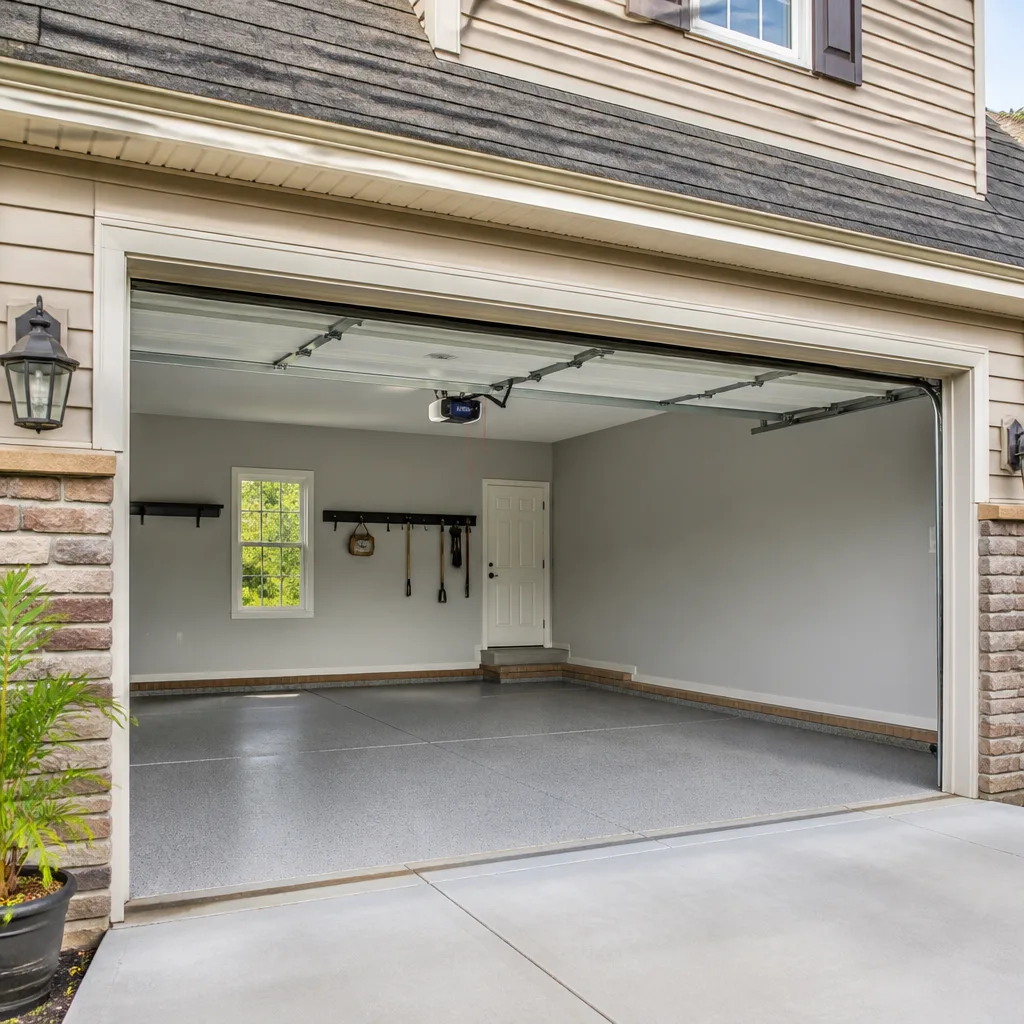 LiftMaster openers
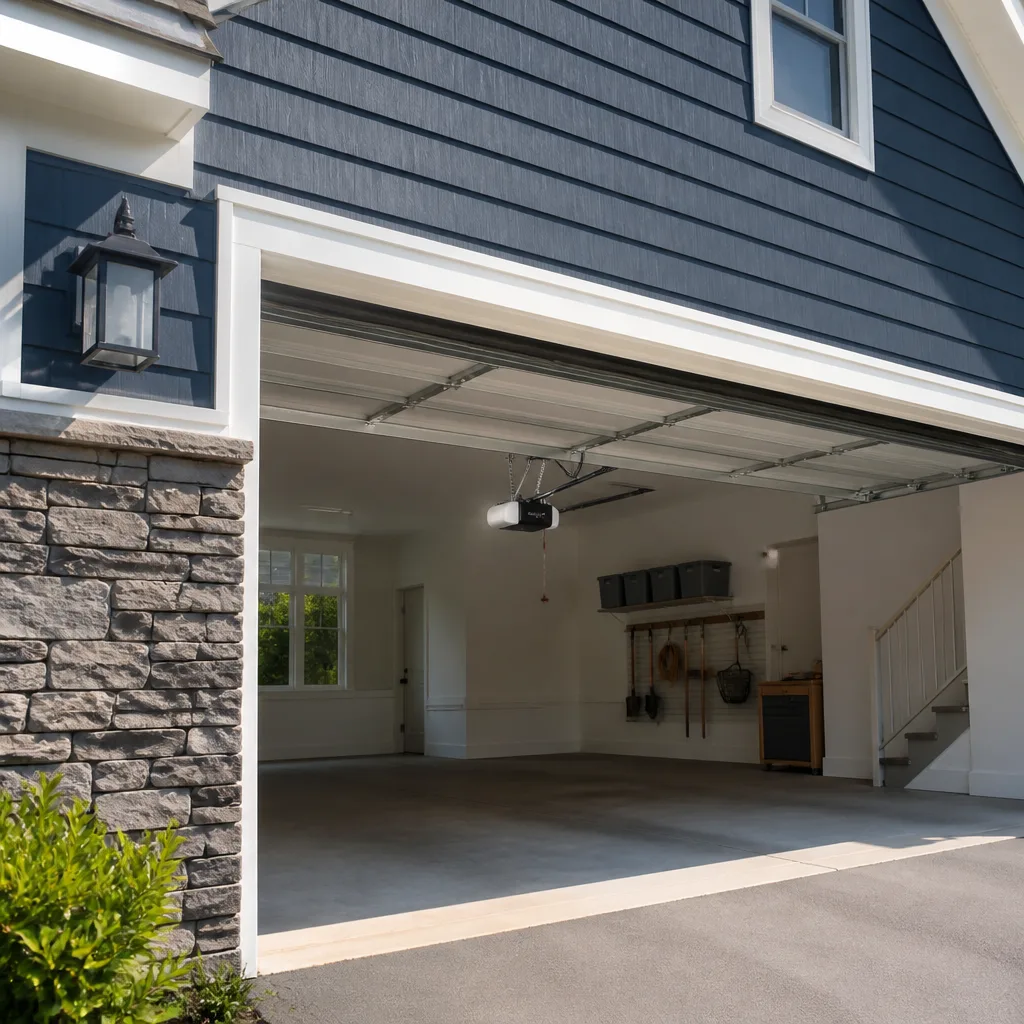 Chamberlain openers
Full 25-point door and opener safety check with every visit - springs, cables, rollers, tracks, and your LiftMaster or Chamberlain opener included
You get a price before we start. It does not change when the pro arrives.
Get your free estimateGarage Door Emergency Preparedness Guide for Middletown Homes
When your garage door fails at 11 PM during a February ice storm with your car trapped inside, the time to have a plan was not 11 PM during a February ice storm. Most garage door emergencies aren’t really emergencies at all. They’re predictable mechanical failures that turn into emergencies because nobody thought about them in advance. In our experience, the Middletown homeowners who stay calm through a snapped spring or a dead opener are the ones who made three simple decisions long before anything broke: how to release the door by hand, how to secure the opening, and who to call with the right details ready. This guide walks through all three, plus the small kit and the spring-safety steps most people skip. None of it is complicated. All of it matters when the garage is your only way in and out.
Quick Answer
Garage door emergency preparedness in Middletown comes down to three things done in advance: know how to safely use your manual release, keep a small kit ready to secure a door that won’t close, and have our number saved along with your door’s brand and model info. A snapped spring or a door off its track is a call-a-professional situation, not a fix-it-yourself one, because springs are under extreme tension. The rest is planning you can do in a single afternoon.
Styles & brands we work with
- Raised-panel steel
- Carriage house
- Modern flush
- Full-view glass
- LiftMaster openers
- Chamberlain openers
Table of Contents
- How do you open a garage door during a power outage?
- What should you do when a garage door spring snaps?
- How do you secure a garage door that won’t close?
- What information should you have ready before calling for emergency service?
- What belongs in a garage door emergency kit?
- Why do Middletown winters make door problems worse?
- How do you spot a failure before it happens?
How do you open a garage door during a power outage?
To open a garage door during a power outage, pull the manual release cord hanging from the opener rail, then lift the door by hand. On most residential openers that cord disconnects the door from the motor so it moves freely. Before you pull it, though, understand the one mistake that damages the mechanism: pulling the release while the door is under tension from the opener, or yanking it hard instead of letting it engage gently. The release is designed to disengage a door that’s already at rest, not to fight a motor that’s mid-cycle.
Here’s the sequence that keeps the release working for the next time you need it:
- Make sure the door is fully closed and the opener has stopped. Don’t pull the cord while the motor is running.
- Pull the release cord straight down with steady pressure, not a hard snap.
- Lift the door slowly by hand. A properly balanced door should move with light effort and stay put when you let go halfway up.
- If the door feels extremely heavy or slams down, stop. That usually means a spring has failed, and forcing it by hand stresses the door panels and track.
- To reconnect, close the door fully, then re-engage the release and run the opener once to reset the carriage.
For homes with a LiftMaster or Chamberlain opener, the release works the same way, though some units have a slightly different carriage latch. If you’re not sure which one you have, the model plate on the opener housing tells you. That’s worth a photo now, while it’s easy. Our garage door opener repair page covers the common release-latch failures we see in Middletown when a mechanism has been pulled hard or left disengaged for months.
What should you do when a garage door spring snaps?
If a spring snaps, stop using the door and keep everyone away from it until a professional arrives. A torsion or extension spring carries enough stored energy to cause serious injury, and a door with a broken spring can drop without warning. The sound is usually a loud crack, and the door may sag or refuse to lift. What you do in the first sixty seconds matters, and it’s almost all about not doing things.
The immediate safety steps most homeowners skip:
- Don’t try to lift the door. With a broken spring, the full weight of the door is unsupported. The panels and track aren’t built to carry it by hand.
- Keep the area clear. Move kids, pets, and anything stored near the track well back. If the door is partly open, don’t stand or walk under it.
- Don’t touch the broken spring or its hardware. Coiled springs and their cables stay under tension even when they look relaxed. Cables that have come loose are just as dangerous.
- Park outside if you can, and if the car is trapped inside, leave the door alone until help arrives.
- Take a photo of the broken spring and the door’s overall position from a safe distance. It helps us identify whether you have torsion or extension springs.
Springs are the most safety-critical part of the whole system, which is why garage door spring repair is something we treat as its own specialty rather than a sideline. Middletown’s temperature swings from a cold winter to a humid summer work springs hard, and the metal fatigues faster than in milder climates. If one spring broke on a two-spring door, the other is usually the same age and worth replacing at the same time. A matched pair costs roughly twice a single spring, and technicians should tell you that upfront.
How do you secure a garage door that won’t close?
When a door won’t close, the priority is securing the opening against weather and against anyone walking in. You don’t need to fix the door to do that. In Middletown, an open garage in January lets in freezing air and can freeze pipes or damage stored belongings within hours; a door left open overnight also leaves a clear way into the house. The trick is a temporary barrier that buys you time until a technician arrives, without damaging the door further.
- Check for an obvious obstruction first. Run your hand along the bottom rail and track for anything the safety sensor sees. Sometimes a door that “won’t close” is just a blocked sensor or a misaligned photo eye.
- Lower the door by hand if the opener is the problem. Disengage the release and bring it down slowly, guiding it into the closed position.
- Lock or brace it closed. Use a door lock if your door has one. If not, a pair of locking pliers on the track just above the bottom roller will hold the door down.
- Seal the gap. A heavy towel or foam pool noodle wedged along the bottom edge stops the wind and keeps cold air out. This is what matters most in a February cold snap.
- Reinforce the outside only if you can do it safely. A brace across the outside of the door or a length of lumber in the track is a reasonable stopgap, but avoid anything that risks the door falling on you.
If the door won’t close because it’s off its track or a cable has come loose, don’t force it. That’s exactly the kind of failure that turns into a bigger repair. Garage door repair in Middletown covers off-track doors, cable failures, and the sensor problems that keep a door from closing. A trained technician can reset the door properly instead of leaving it braced.
Let’s be honest about the break-in risk: Middletown is a compact city with a mix of residential streets and more remote sections, and an open garage is an obvious opportunity for someone passing by. Securing the door isn’t paranoia; it’s basic prudence.
What information should you have ready before calling for emergency service?
The single best way to get fast, correct help is to have four pieces of information ready before you call. When a technician knows the door brand, the opener brand, the spring type, and the door’s symptom, they can usually bring the right parts on the first visit instead of making a return trip. That’s the difference between one callout and three. We work with the eight brands homeowners most commonly have installed – LiftMaster, Chamberlain, Genie, Clopay, Amarr, Wayne Dalton, Craftsman, and Raynor – so naming yours directly helps us prepare.
Before you dial, have this ready:
- Door make and approximate age. A photo of the manufacturer label on the door panels or inside the track is enough.
- Opener brand and model. Check the sticker on the motor housing; for a LiftMaster or Chamberlain unit, the model number is usually printed clearly.
- Spring type. Torsion springs run horizontally above the door; extension springs run along the sides. Tell the person answering which you have.
- Exactly what the door is doing. “Won’t close and the motor runs but nothing happens” points to a different problem than “made a loud bang and now sags.” Specific symptoms speed up diagnosis.
- Whether anyone is trapped or the door is blocking a vehicle. That changes the urgency and can help the technician prioritize.
Having these notes saved in your phone means you’re not fumbling through the garage at the worst moment. The Bramley Garage Door Repair approach is to diagnose precisely and fix it right the first time, and that starts with good information from you. When you call ready with the right details, the job gets solved faster.
What belongs in a garage door emergency kit?
A garage door emergency kit is five inexpensive items that together prevent a manageable problem from becoming a dangerous or expensive one. The whole thing costs under $20 at a hardware store and takes up the space of a shoebox. Keep it on a shelf in the garage where you can reach it without moving anything. Here’s the list:
- A flashlight and spare batteries. Power outages are the most common garage door emergency trigger, and you’ll be working without overhead light. A headlamp is even better since it leaves your hands free.
- A pair of locking pliers. These hold a door down or steady a track in a pinch, and they’re the item most people reach for first when a door won’t stay closed.
- A heavy towel or two. Wedged along the bottom edge, a towel seals out cold air and wind. This matters in Middletown winters.
- A printed card with your door and opener model numbers and our phone number. Screens die and networks drop exactly when you need them.
- A roll of duct tape. Not for the door itself, but for securing loose items, taping a towel in place, or marking a hazard so nobody walks into it.
The point of a kit isn’t to fix the door. It’s to keep everyone safe and the opening secure until a technician arrives. A Genie or Craftsman opener that fails in the dark is much easier to deal with when you’re not hunting for a flashlight. Keep the kit where you can find it without a light, and check the batteries once a year. That small habit is the whole difference between a calm response and a scramble.
Why do Middletown winters make door problems worse?
Middletown’s winters are hard on garage doors, and understanding why helps you prepare. The core issue is temperature cycling: cold snaps, thaws, and refreezes put repeated stress on springs, hinges, and weather seals. Metal contracts in the cold, and a spring that was fine in October can reach its failure point in January. The same freeze-thaw pattern affects the bottom seal, which can crack and let cold air and moisture underneath. That moisture then rusts hinges and rollers, which creates the grinding and sticking that lead to bigger problems.
Winter-specific risks we’d flag for any Middletown homeowner:
- Stiff springs and stiff grease. Lubricant thickens in the cold, putting extra strain on the opener and springs during the first few lifts of a cold morning.
- Frozen seals. A bottom seal frozen to the floor can make the door seem like it “won’t open,” when it’s just stuck to the ground.
- Snow and ice buildup around the base of the door can block the track and force the door to work harder.
- Corroded hinges and rollers from winter moisture make an off-track failure more likely if a door is forced.
The practical takeaway is to treat the first hard freeze as a reminder: test the door manually, apply a light coat of lubricant to the hinges and rollers, and clear any snow or ice that’s packed against the track. Small attention in November saves a midnight emergency in February.
How do you spot a failure before it happens?
Most garage door failures announce themselves before they happen, and a monthly two-minute check catches the warning signs. The door itself is your best diagnostic tool. A door that used to rise smoothly and now shudders, a spring that’s started to make a clicking or popping sound, an opener that’s begun struggling on cold mornings – these are all early warnings of a component that’s wearing out. Catching them gives you time to schedule a repair on your own terms instead of in an emergency.
Walk through this check once a month:
- Listen to the door. Any new grinding, squeaking, or rattling that wasn’t there before is worth investigating.
- Watch the balance. Disengage the opener, lift the door halfway, and let go. It should stay put. If it drops or rises, the springs or balance are off.
- Check the springs visually. Look for gaps, rust, or deformation. Never touch a torsion spring; visual inspection from a distance is enough.
- Test the safety sensors. Block the photo eyes with your hand; the door should reverse. If it doesn’t, the sensor is dirty, misaligned, or failing.
- Look at the bottom seal. Cracks, tears, or a seal that no longer meets the floor let in cold air and moisture.
- Lubricate. A few drops on the hinges and rollers keeps everything moving smoothly through the seasons.
For households running a LiftMaster or Chamberlain smart opener, the app can flag a door left open or a motor that’s cycling oddly, which is a useful early warning. If your monthly check turns up a problem, it pays to address it before it becomes urgent. An opener repair call when the motor starts struggling is far simpler than the same call after it fails completely.
Common Mistakes to Avoid
- Pulling the manual release while the motor is running. This is the mistake that damages the release mechanism and can leave the door stuck. Always let the opener come to a complete stop first.
- Trying to open a door with a broken spring. A door unsupported by springs is dangerously heavy, and forcing it can warp panels or snap cables. Stop and call.
- Touching a torsion spring or a loose cable. Both stay under tension and can cause serious injury. Leave spring work to a trained professional.
- Leaving a door open while you wait for a repair. In Middletown’s cold winters that can freeze pipes, and it also leaves an obvious way into the house. Brace and seal it shut instead.
- Forcing a door that’s off track. Running the opener with a bent track or a jumped roller grinds the mechanism and turns a small repair into a large one.
- Ignoring a noisy or shuddering door. A grinding door is a warning. Waiting for the failure usually means a more expensive fix.
- Calling without the model information. Without the door and opener brand, the technician may need a return trip for parts. Keep that information saved.
See the difference
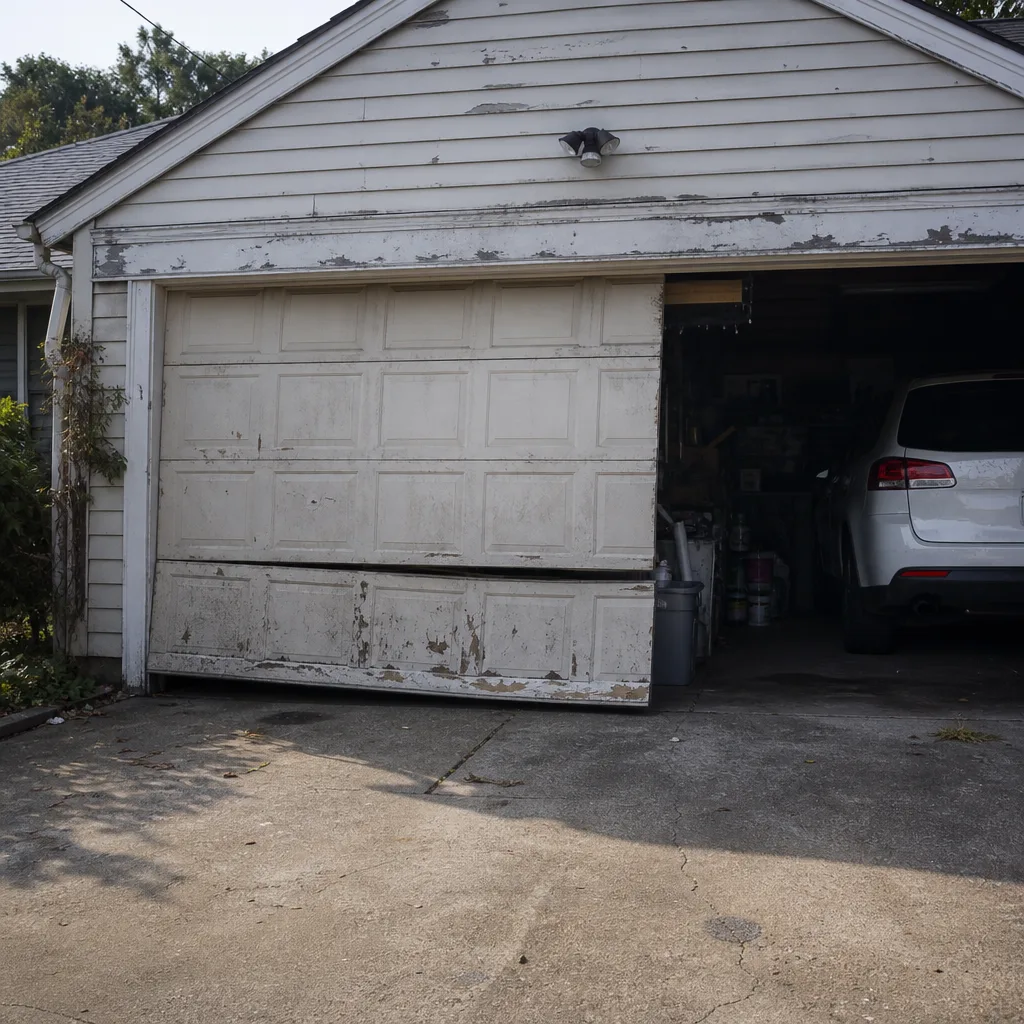 Before
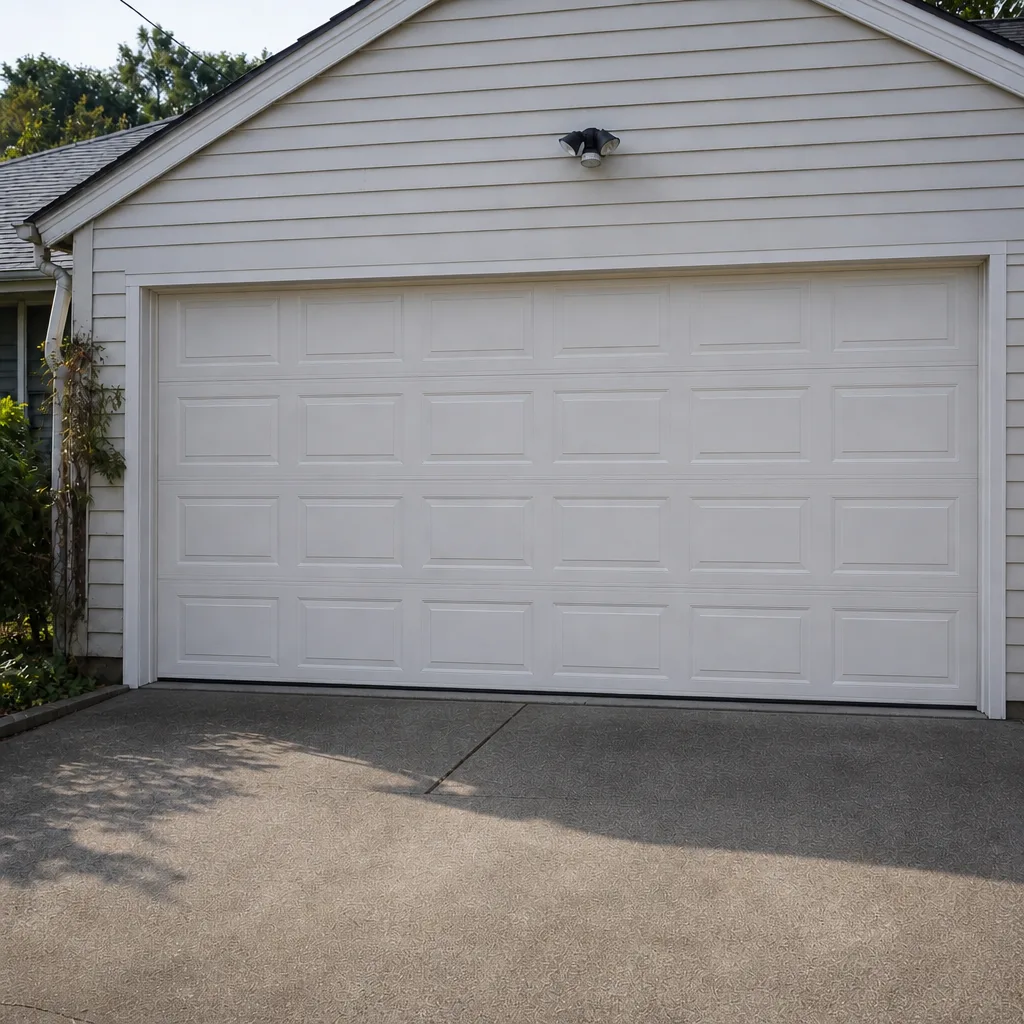 After
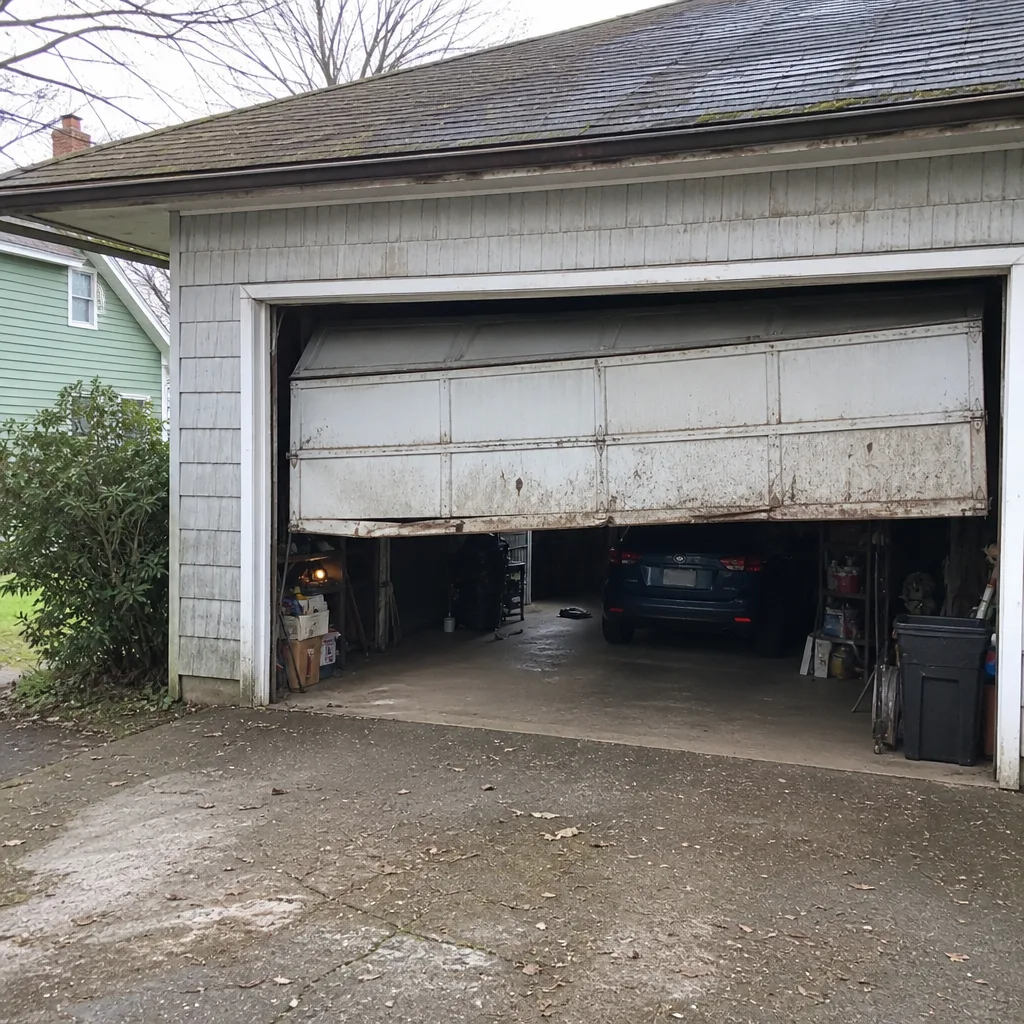 Before
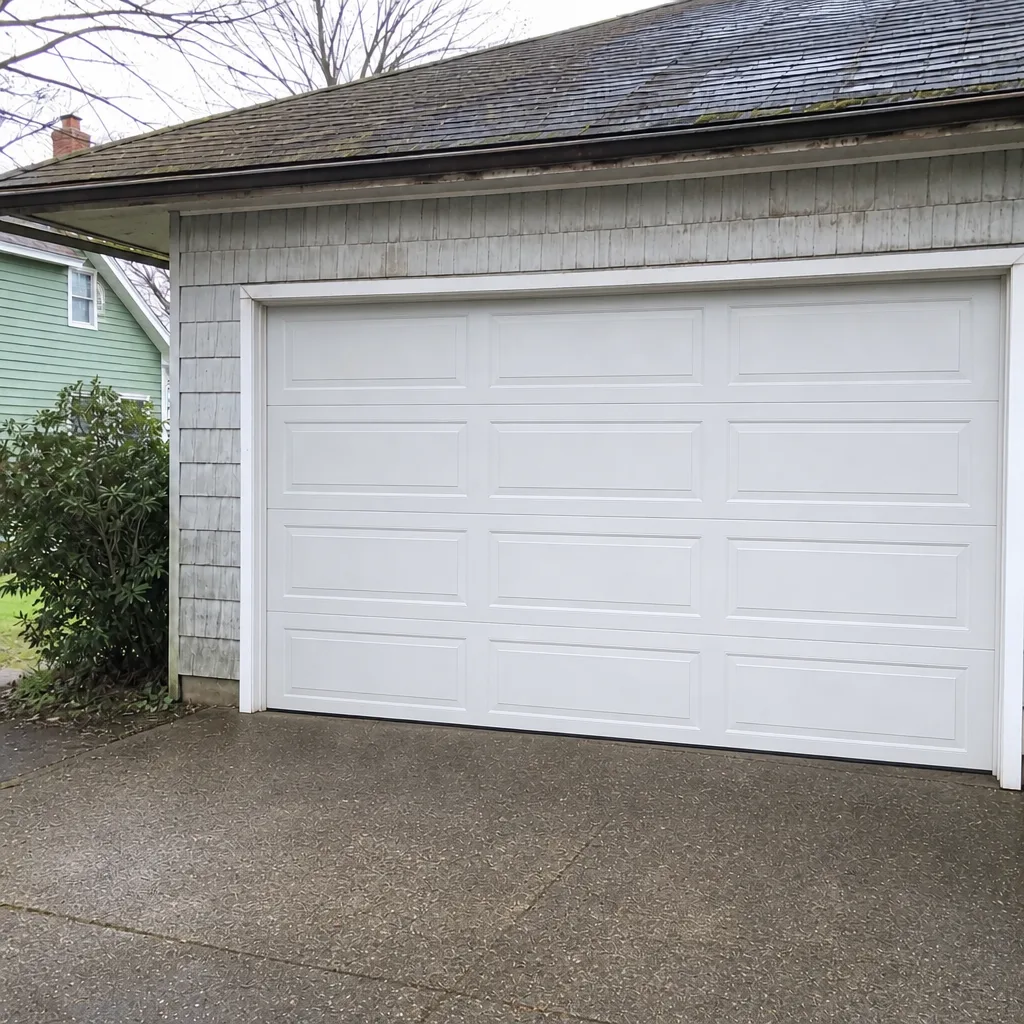 After
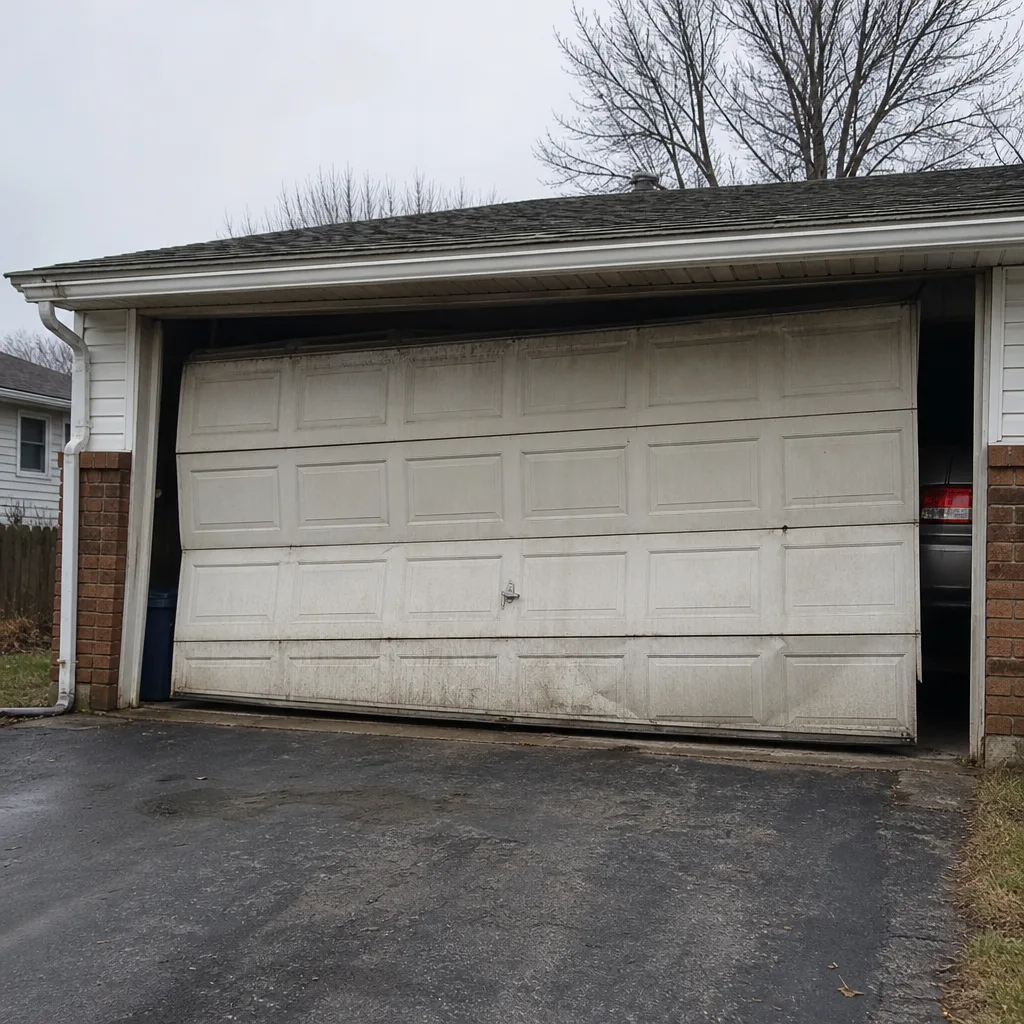 Before
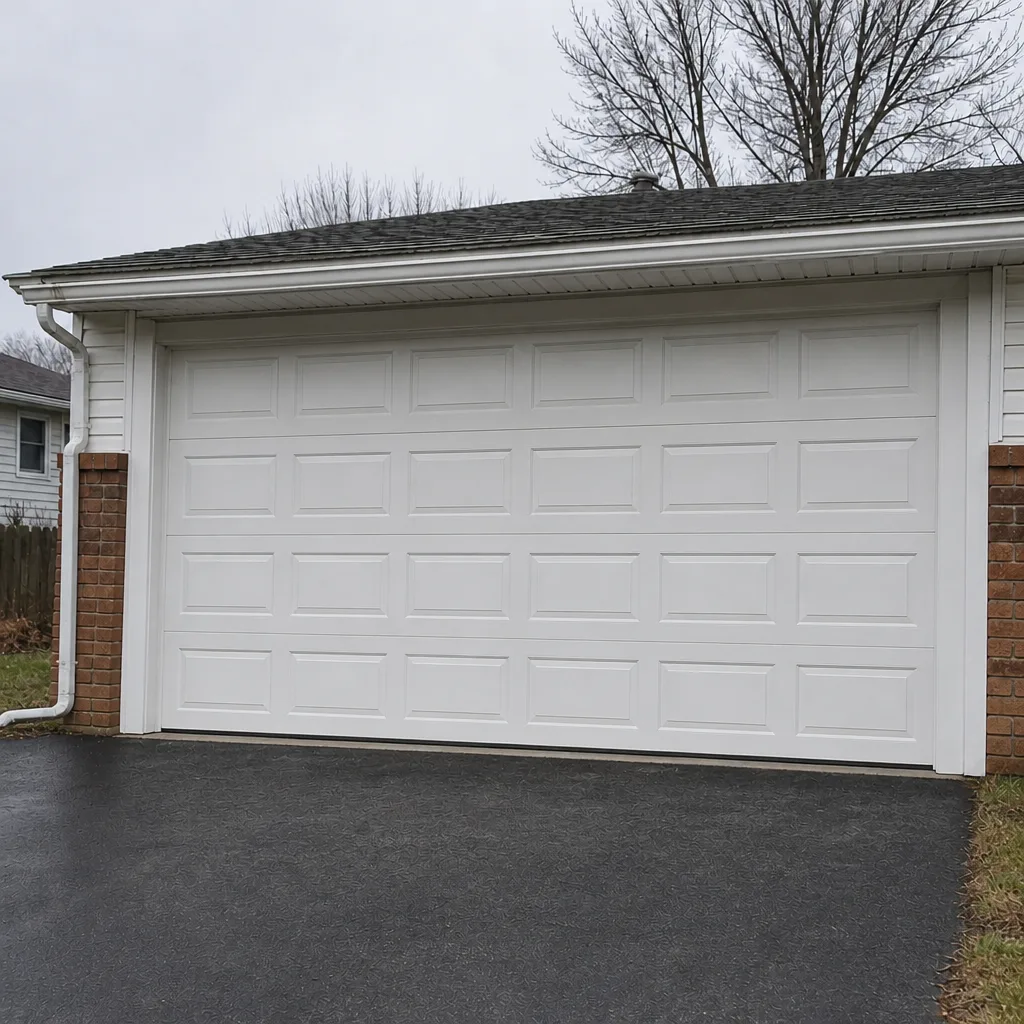 After
When to Call a Professional
Call a professional when a spring has snapped, the door is off its track, a cable has come loose, or the opener no longer responds and a power cycle hasn’t fixed it. Those are the cases where a trained technician with the right tools gets it done safely, and where attempting a fix yourself risks injury. Also call when a door won’t close and you can’t secure it, or when the door feels heavy or drops suddenly during a manual test. Springs and cables are the clear no-go zone; opener electronics and sensor problems are usually a quick professional callout. Bramley Garage Door Repair offers free estimates in Middletown – call (877) 492-2037. With our technicians having up to 11 years of experience and fluency across the major brands, we can help you plan properly and fix the problem right the first time.
Frequently Asked Questions
Not always, but in many cases yes for repairs that can be scheduled quickly. For a snapped spring, an off-track door, or a dead opener, call (877) 492-2037 and tell us the brand and the symptom so we can plan the visit. Repair work is different from a full installation, which has to be measured and ordered, so for a new door expect a scheduled appointment rather than same-day service. Either way, the written estimate sets the final price before any work begins.
Typical spring repair runs around $180 to $340 for a single spring, and a matched pair costs roughly twice that since both are usually replaced together. The exact figure depends on whether you have torsion or extension springs and the door’s size. You’ll get a written estimate before any work starts, and the price is agreed upfront. Call (877) 492-2037 for an exact quote – estimates are free.
Pull the manual release cord hanging from the opener rail, then lift the door slowly by hand. Make sure the door is fully stopped before you pull, and don’t yank the cord. If the door feels very heavy and won’t stay up, a spring may have failed and you should stop and call a professional rather than force it.
No, not if it’s a standard diagnosis of the problem you described. Your written estimate sets the price before any work starts, and that’s the number you pay. If the technician finds something different from what you described on the phone, you’ll be told and can decide before anything proceeds. Call (877) 492-2037 to schedule a free estimate.
The local professionals we connect you with are licensed and insured as their state requires. We work only with experienced technicians, and our own teams have up to 11 years of experience across the major door and opener brands. If you have a specific concern about credentials, ask when you call – we’re happy to confirm what applies to your area.
Secure the opening first: lower the door by hand if you can, brace it with locking pliers on the track, and wedge a heavy towel along the bottom edge to stop cold air getting in. Then call a professional for the repair. Don’t force a door that’s off track or fighting a broken spring. Call (877) 492-2037 and describe the symptom – we can help you plan the right fix.
The Bottom Line
Garage door emergencies in Middletown are almost always preventable with a little preparation. Know how to use your manual release without damaging it. Understand that a snapped spring means stop, secure the area, and call, never force. Keep a small kit ready to secure a door that won’t close against the cold and against prying eyes. Save your door and opener model information and our number where you can find them. Run a quick monthly check so warning signs reach you before they become midnight failures. The goal isn’t to fix the door yourself. It’s to handle the moment calmly so the fix goes smoothly, and the three decisions you make in advance are what make that possible.
If your door needs a hand, or you’d like a free estimate, call Bramley Garage Door Repair at (877) 492-2037.
Written by the team at Bramley Garage Door Repair.