Last updated November 22, 2026
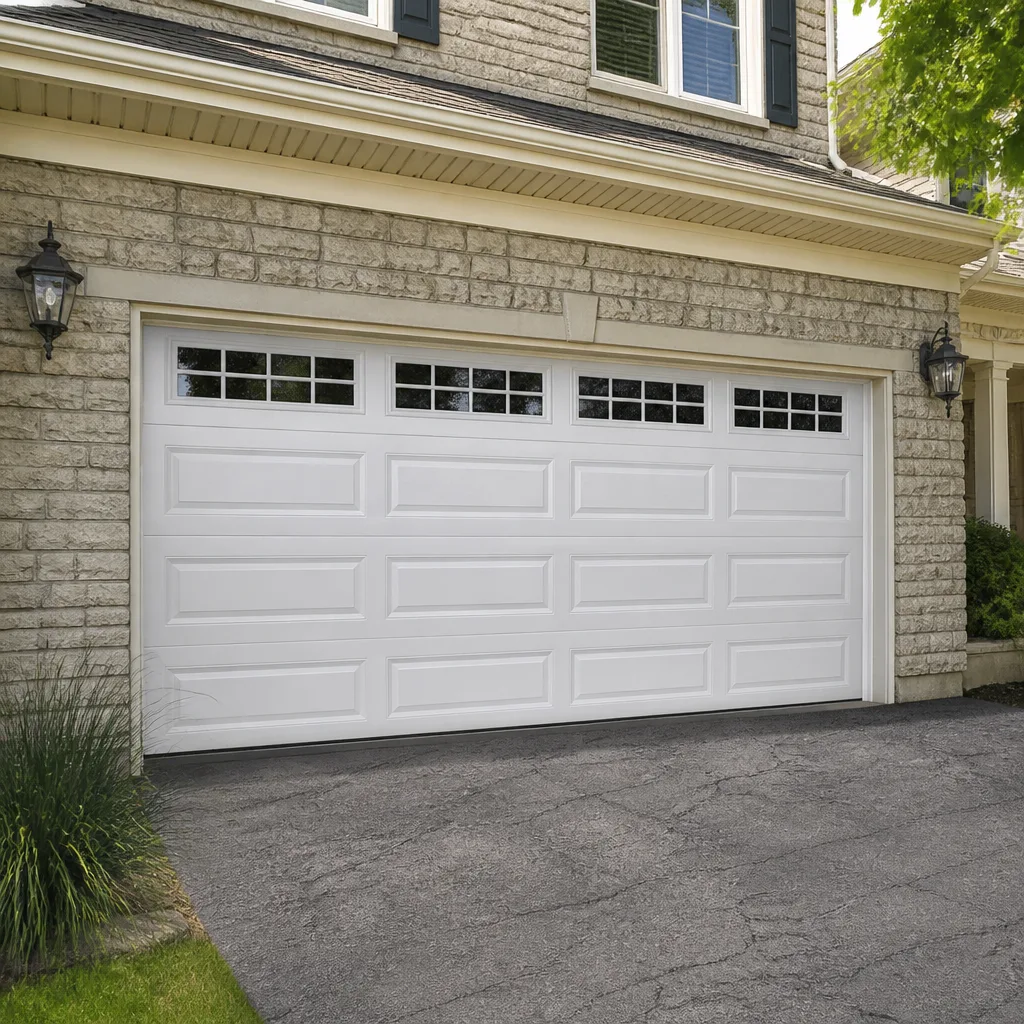 Raised-panel steel
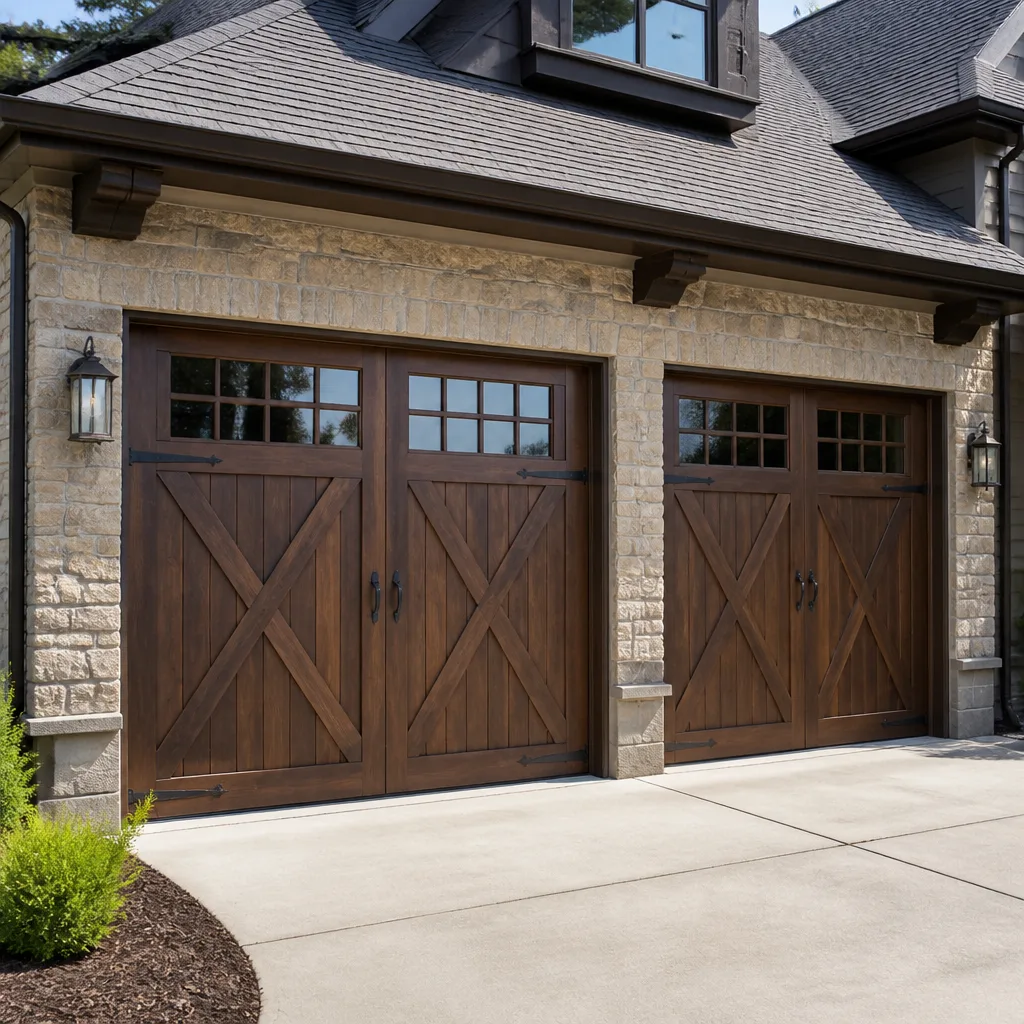 Carriage house
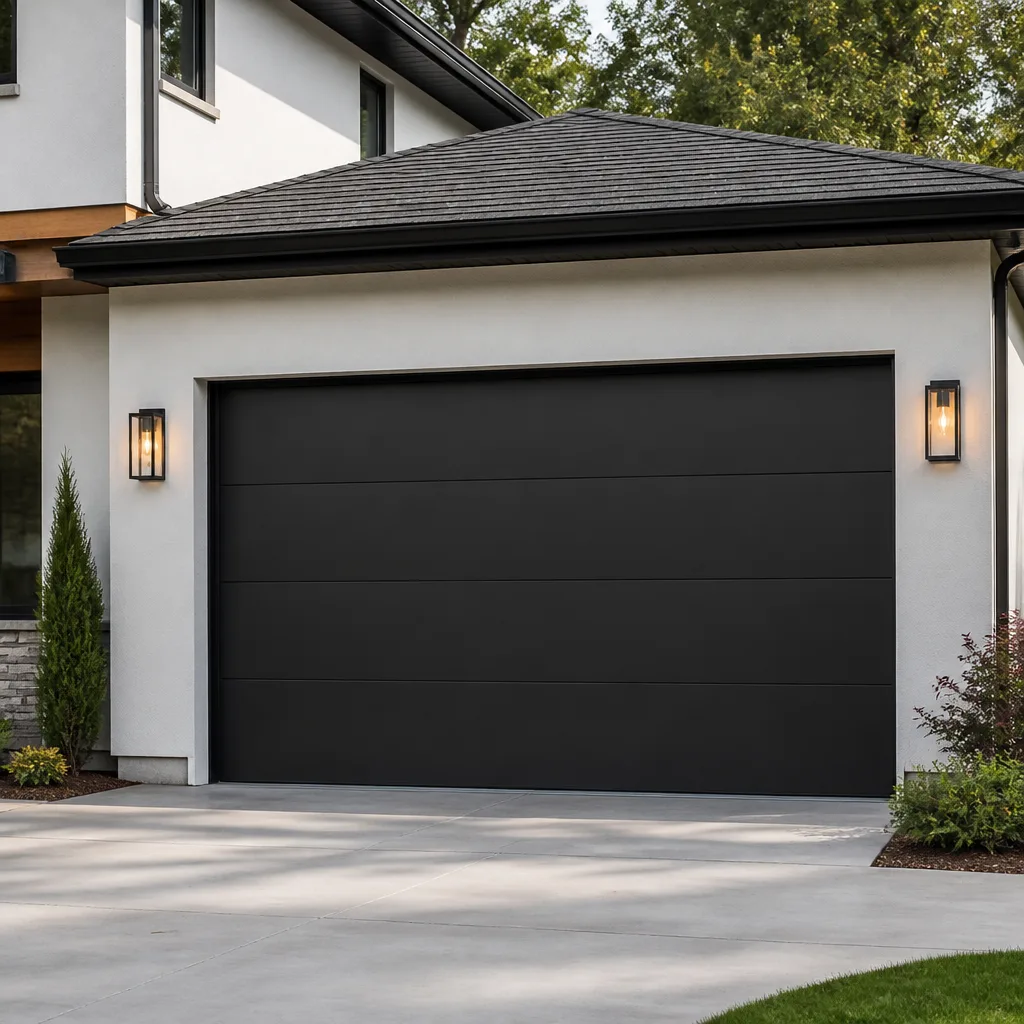 Modern flush
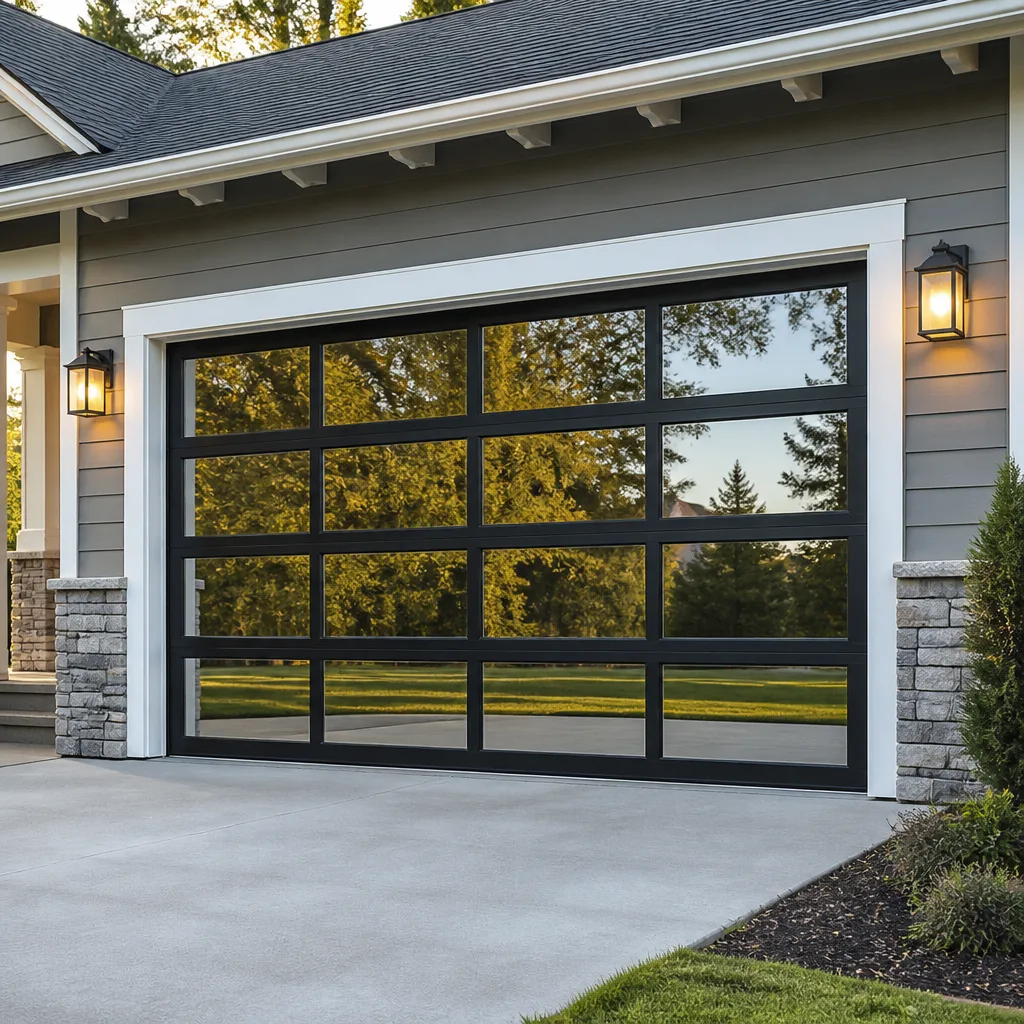 Full-view glass
 LiftMaster openers
 Chamberlain openers
Full 25-point door and opener safety check with every visit - springs, cables, rollers, tracks, and your LiftMaster or Chamberlain opener included
You get a price before we start. It does not change when the pro arrives.
Get your free estimateGarage Door Repair Maintenance Schedule: What to Do and When
Most garage door advice tells you to “check it once a year and hope for the best.” That’s the wrong model. A garage door doesn’t wear out in a slow, even line. It degrades in bursts, and those bursts line up with the seasons and with how often you actually use the door. The average door cycles around 1,500 times a year, and a spring rated for 10,000 cycles doesn’t care about the calendar, only about every one of those trips. This guide gives Middletown homeowners a month-by-month, season-by-season plan built around how Connecticut weather hits each part of the door, plus the 60-second test that tells you your springs are tiring before they snap.
Quick Answer
A garage door maintenance schedule should hit four checkpoints a year: tighten hardware and check the weatherseal before winter, lubricate moving parts after the spring thaw, check opener and track alignment in summer heat, and run a balance and safety-reverse test in fall. Between those, do a 60-second monthly balance test and listen for new noises. Springs are rated by cycles, not years, so a busy two-car household may need spring replacement far sooner than a quiet single-car one.
Styles & brands we work with
- Raised-panel steel
- Carriage house
- Modern flush
- Full-view glass
- LiftMaster openers
- Chamberlain openers
Table of Contents
- Why Cycle Counts Matter More Than the Calendar
- The Four-Season Quarterly Schedule for Middletown
- Which Lubricants Help and Which Quietly Do Damage
- The 60-Second Monthly Balance Test
- Maintenance That Actually Extends Life vs. Feel-Good Busywork
- Brand-Specific Notes for Genie, Clopay, Amarr, and Wayne Dalton
- Common Mistakes to Avoid
- When to Call a Professional
Why Cycle Counts Matter More Than the Calendar
Torsion and extension springs are rated in cycles, and the common residential rating is about 10,000 cycles. One cycle is one open plus one close. Do the math on your own house and the “check it annually” advice starts to look thin.
A single-car household where one person leaves and returns once a day might run four cycles a day, roughly 1,500 a year, so the spring lasts years. A two-car family with kids, a dog, and a habit of opening the door to grab something from the garage can easily hit eight to twelve cycles a day. That’s 3,000 to 4,000 cycles a year, and the same 10,000-cycle spring is done in two to three years. Same spring, same house age, wildly different replacement timing. This is why two neighbors on the same Middletown street can have completely different spring stories.
You don’t need a counter to estimate where you stand. Count the trips in a typical day for your household: each arrival and departure is one cycle, plus any “just grabbing something” opens. Multiply by 365 and divide 10,000 by that number. That’s roughly how many years of cycles the spring has in it, and how close you are to replacement territory.
Once you know your cycle number, maintenance stops being a vague annual chore. You check the door at the intervals your usage actually demands. For a heavy-use household, that’s quarterly without exception. For a light-use one, you can stretch it, but you still want eyes on the springs and hardware at least twice a year. If you’re not sure what shape your springs are in, our garage door spring repair team can inspect them and tell you honestly how much life is left.
The Four-Season Quarterly Schedule for Middletown
Connecticut’s seasons stress different parts of a garage door, which is why one annual checkup misses the timing. Here’s the sequence we recommend for Middletown homes, tied to what each season actually does.
Before Winter: Tighten and Seal
- Run a screwdriver over every hinge, bracket, and track bolt. Cold contracts metal, and a bolt that was snug in October is often loose by December.
- Inspect the bottom weatherseal and the side and top seals. Connecticut winters drive cold air and meltwater against that seal for months, and a cracked seal lets both in.
- Test the door’s balance by hand (see the monthly test below). A door that’s fighting the opener will fight harder in cold weather.
- Clear the tracks of grit and check that the door closes flush to the floor.
After the Spring Thaw: Lubricate
Winter leaves behind road salt tracked in on tires, grit in the tracks, and dried-out hinges. Once the freeze lifts, clean the tracks and lubricate the moving parts. This is the single best-preserved maintenance window of the year and the one most homeowners skip.
Summer: Check the Opener Under Heat
Opener motors run hotter in a warm garage and work harder when a door is slightly out of balance. Listen for a motor that sounds strained or runs longer than it used to. Check that the safety reverse still works (place an object in the door’s path and confirm it reverses).
Fall: Balance and Safety Test
Before the cold sets in, run the full balance test and confirm the safety reverse. A door that’s out of balance heading into winter puts maximum strain on the opener and springs right when the cold makes everything stiffer.
The garage door repair we handle across Middletown most often traces back to a skipped season, not a defective part. A loose bolt in November becomes a bent track by February. If your door is already making noise or grinding, it’s worth a look before the next season change.
Which Lubricants Help and Which Quietly Do Damage
This is where well-meaning homeowners do the most harm. The instinct is to grab the can of WD-40 in the garage and spray everything that squeaks. Don’t. WD-40 is a solvent and water displacer, not a long-term lubricant, and on garage door parts it strips away the grease you actually want and leaves components drier than they started.
Here’s what to use where:
- Hinges, rollers, and pivot points: a white lithium grease or a purpose-made garage door lubricant. These stay put and resist being flung off by motion.
- Torsion springs and the bearing plates: a light coat of garage door lubricant to reduce friction and rust. Do not spray anything on a spring you don’t understand; the tension inside a wound spring is stored energy. This is a hands-off part for anyone but a trained technician.
- Tracks: no lubricant at all. Tracks should be clean and dry. Grease in a track collects grit and turns into grinding paste.
- Nylon rollers: usually need no lubrication. Steel rollers benefit from a light grease.
The wrong product is worse than no product. Silicone spray is fine on weatherseals to keep them from sticking, but it’s too thin for load-bearing metal parts. And anything that attracts dust should stay off your tracks entirely. If you’re unsure what your door’s hardware actually needs, our garage door opener repair technicians see the aftermath of over-lubrication all the time and can set you straight.
The 60-Second Monthly Balance Test
This is the most useful thing you can do for your door, and it takes under a minute. A balanced door tells you your springs are healthy. An unbalanced one tells you they’re tiring, often months before a failure.
First, a safety note. Do this test by hand, with the door disconnected from the opener, and never put your hands near the springs, cables, or the bottom bracket while doing it. Springs and cables are under extreme tension and can cause serious injury. If anything feels wrong mid-test, stop and call a professional.
- Close the door fully.
- Pull the emergency release cord to disconnect the door from the opener.
- Lift the door by hand to about waist height.
- Let go, keeping your hands clear.
- Watch what happens.
A healthy door either holds its position or drifts slowly and evenly. If it drops fast, your springs are losing tension and are on their way out. If it wants to rise on its own, the springs may be over-tensioned. Either way, that’s your early warning to get it checked before it becomes a snap. Reconnect the opener only after you’ve noted the result.
Maintenance That Actually Extends Life vs. Feel-Good Busywork
Not every task on a garage door checklist moves the needle. Some genuinely add years to components. Some just make you feel productive. Knowing the difference keeps you from wasting time and helps you spend effort where it counts.
Tasks that genuinely extend component life:
- Tightening hardware on schedule. Loose bolts let the door flex, and flex wears rollers and bends tracks. This one pays for itself.
- The right lubrication on the right parts. Proper grease on hinges and rollers reduces friction and slows wear. Wrong products accelerate it.
- Keeping tracks clean and clear of debris. Grit in a track grinds rollers down, and clean tracks keep the whole system tracking true.
- Catching an out-of-balance door early. A balance check that catches tiring springs lets you replace them before they fail and take the opener with them.
- Sealing the weatherstrip. A good seal keeps moisture and pests out and reduces the strain on the door in bad weather.
Tasks that are mostly busywork:
- Painting or polishing hardware that isn’t rusting.
- Testing the door dozens of times “to be sure” – that just burns cycles.
- Adjusting the opener limits when the real problem is a balance issue.
The theme: maintenance that reduces friction, keeps the door balanced, and controls moisture extends life. Maintenance that just makes the door look cared-for doesn’t. If you’d rather have a trained eye make that call once a year, our Bramley Garage Door Repair team works on the door you already have and tells you plainly what needs attention and what can wait.
Brand-Specific Notes for Genie, Clopay, Amarr, and Wayne Dalton
Maintenance isn’t identical across every door. The brand in front of you changes what to watch. We work on Genie, Clopay, Amarr, and Wayne Dalton systems regularly, and a few habits are worth knowing.
Genie openers are common on Middletown homes, and their drive systems benefit from attention to belt or screw tension. A Genie that starts sounding louder usually wants a check on the drive and the door’s balance before you assume the motor is failing.
Clopay and Amarr doors are steel-panel doors that hold up well but are sensitive to the bottom seal. In Connecticut winters, a worn bottom seal on a Clopay or Amarr door lets meltwater sit against the panel edge. Check that seal before winter and replace it if it’s cracked.
Wayne Dalton doors often use torsion or extension spring setups with their own hardware tolerances. Follow the manufacturer’s lubrication points rather than a generic routine, and keep the balance test in your monthly habit.
Brand-specific tension is exactly why a trained diagnosis beats a guess. If your door is one of these and something feels off, our garage door repair specialists work with the actual hardware in front of them.
Common Mistakes to Avoid
- Spraying WD-40 on everything that squeaks. It strips away the grease your moving parts need and leaves them drier. Use a proper garage door lubricant on hinges and rollers, and nothing on tracks.
- Lubricating the tracks. Grease in a track collects grit and grinds your rollers. Tracks should be clean and dry, not greasy.
- Skipping the balance test because the door “still works.” A door can open fine for months on tired springs before it snaps. The balance test catches that early.
- Assuming a spring lasts a fixed number of years. A busy two-car Middletown household can wear out a spring in two to three years while a light-use neighbor gets many more. Count cycles, not birthdays.
- Ignoring the weatherseal going into winter. Connecticut winters push cold air and meltwater against a cracked seal for months. Replace it before the freeze, not after.
- Adjusting opener limits to fix a balance problem. If the door is out of balance, the opener limits aren’t the issue. Fix the balance first.
- DIY spring work. Torsion and extension springs store enormous tension. This is not a homeowner job, and a mistake can cause serious injury. Leave spring work to a trained technician.
When to Call a Professional
Some maintenance is homeowner-friendly: tightening bolts, cleaning tracks, checking seals, running the monthly balance test. Other situations call for a trained hand, and it’s worth knowing the line.
Call a professional if the door is out of balance, if a spring is visibly stretched or has snapped, if the door is off its track or won’t close flush, if the opener strains or reverses on its own, or if you hear grinding or popping from the springs or cables. Spring and cable work is genuinely dangerous, and a door that’s failing in one of these ways can fall or bind unexpectedly. When you’re unsure, a diagnosis is cheaper than a failure. Bramley Garage Door Repair offers free estimates in Middletown – call (877) 492-2037, and our technicians, who have up to 11 years of experience, will tell you what’s actually needed.
See the difference
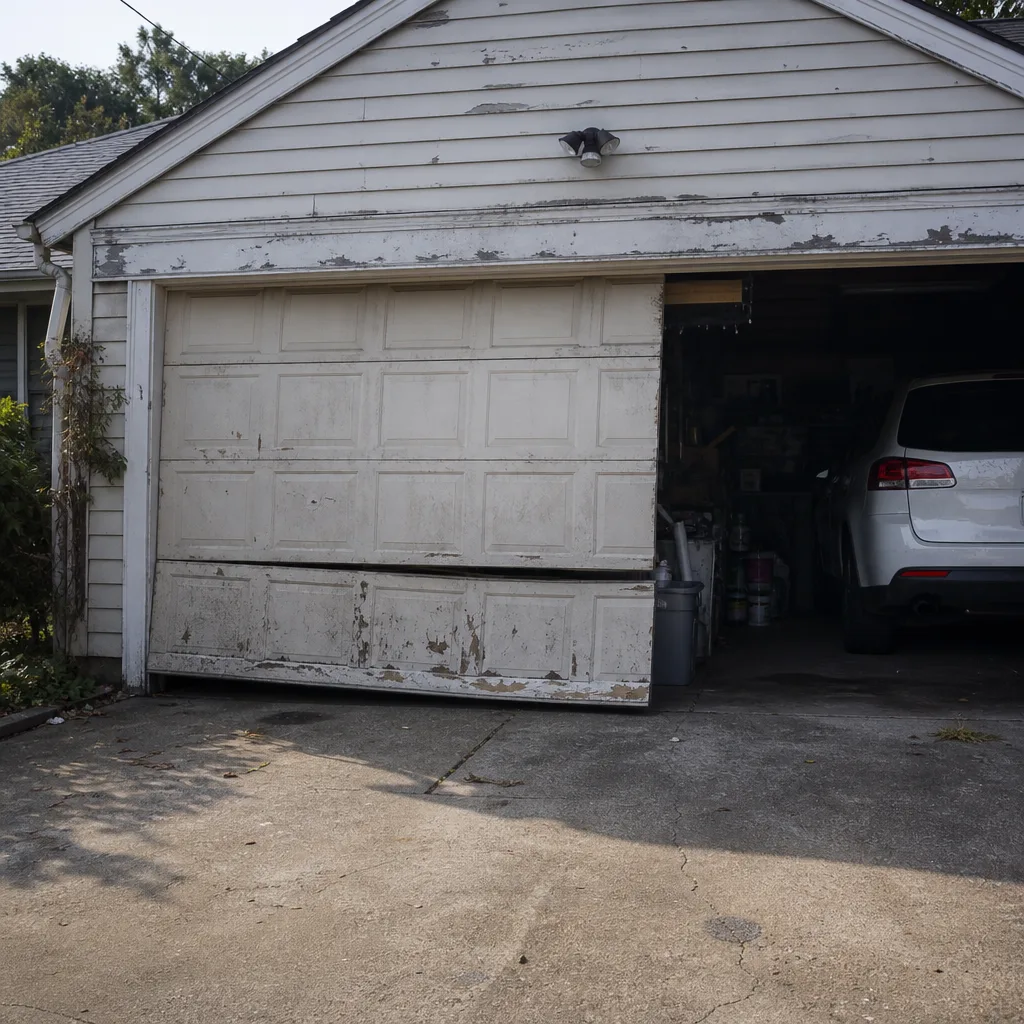 Before
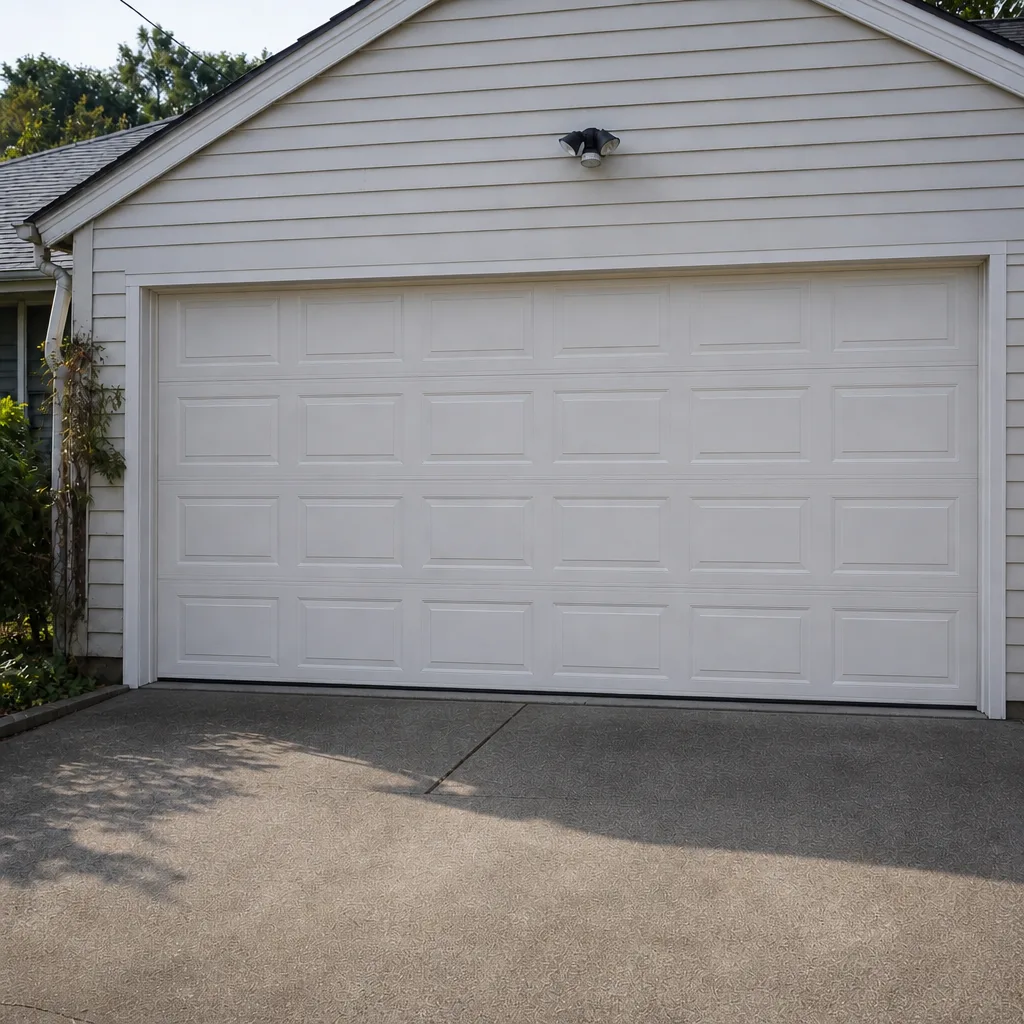 After
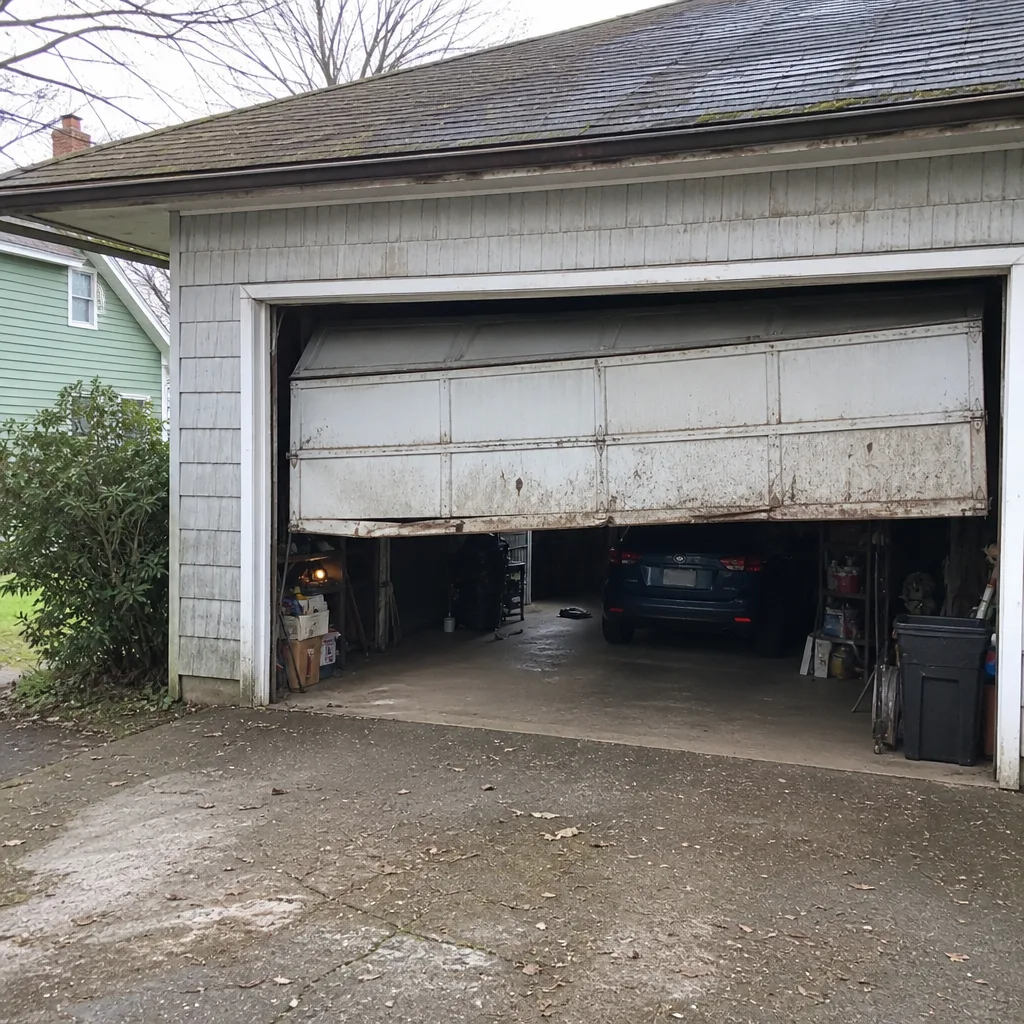 Before
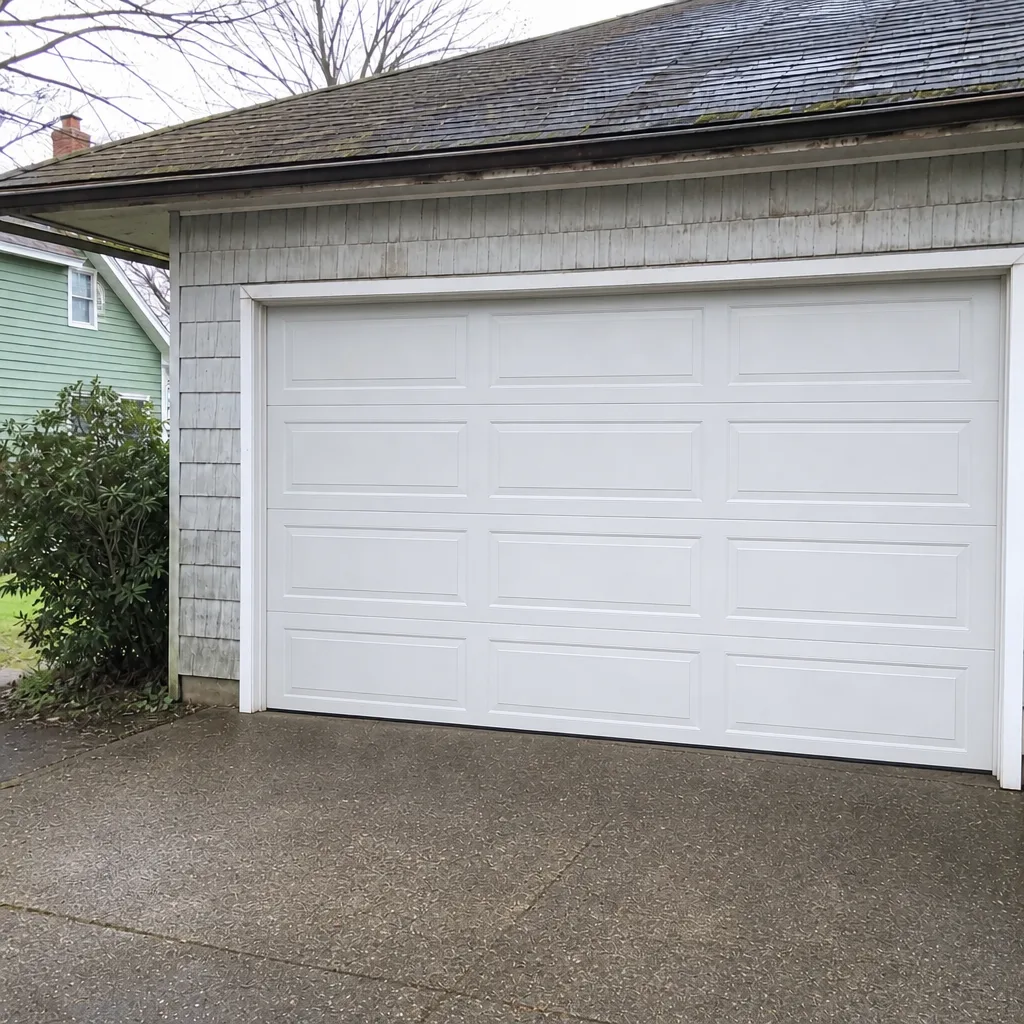 After
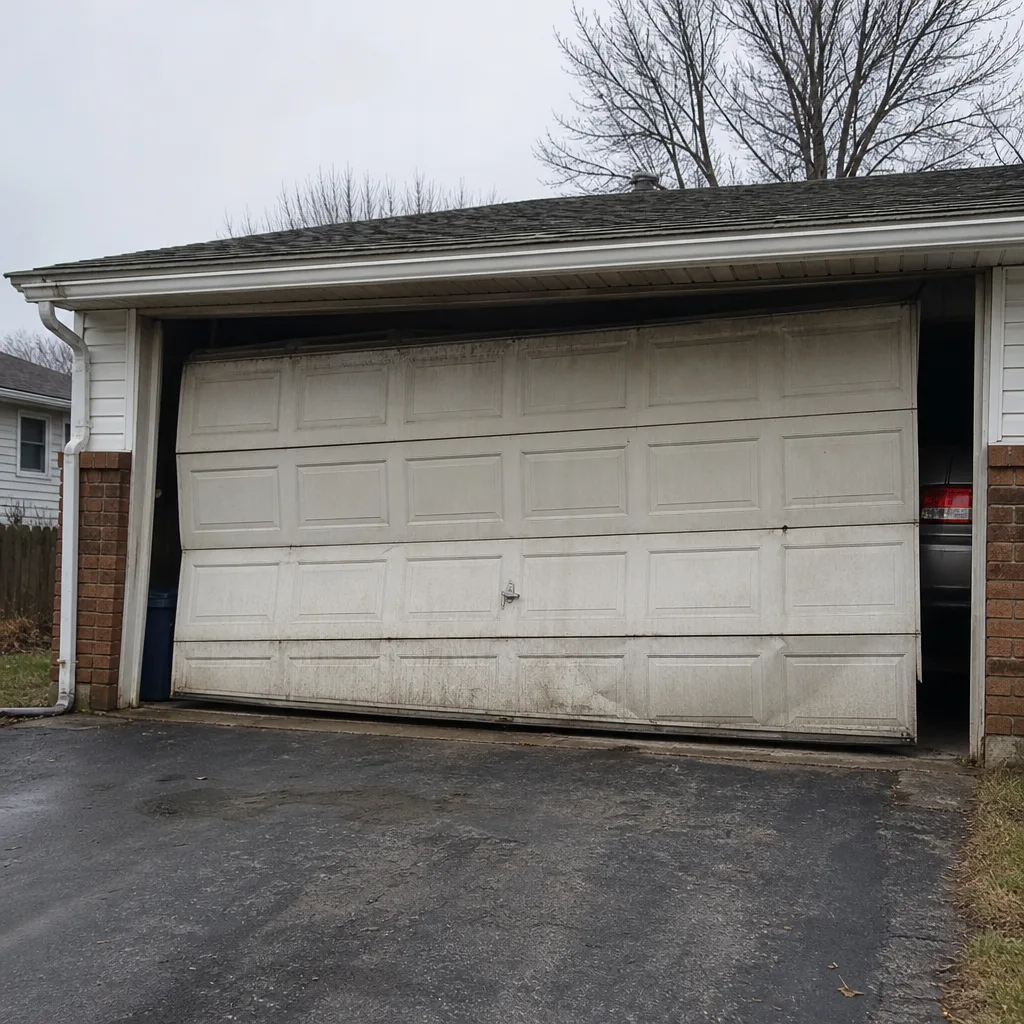 Before
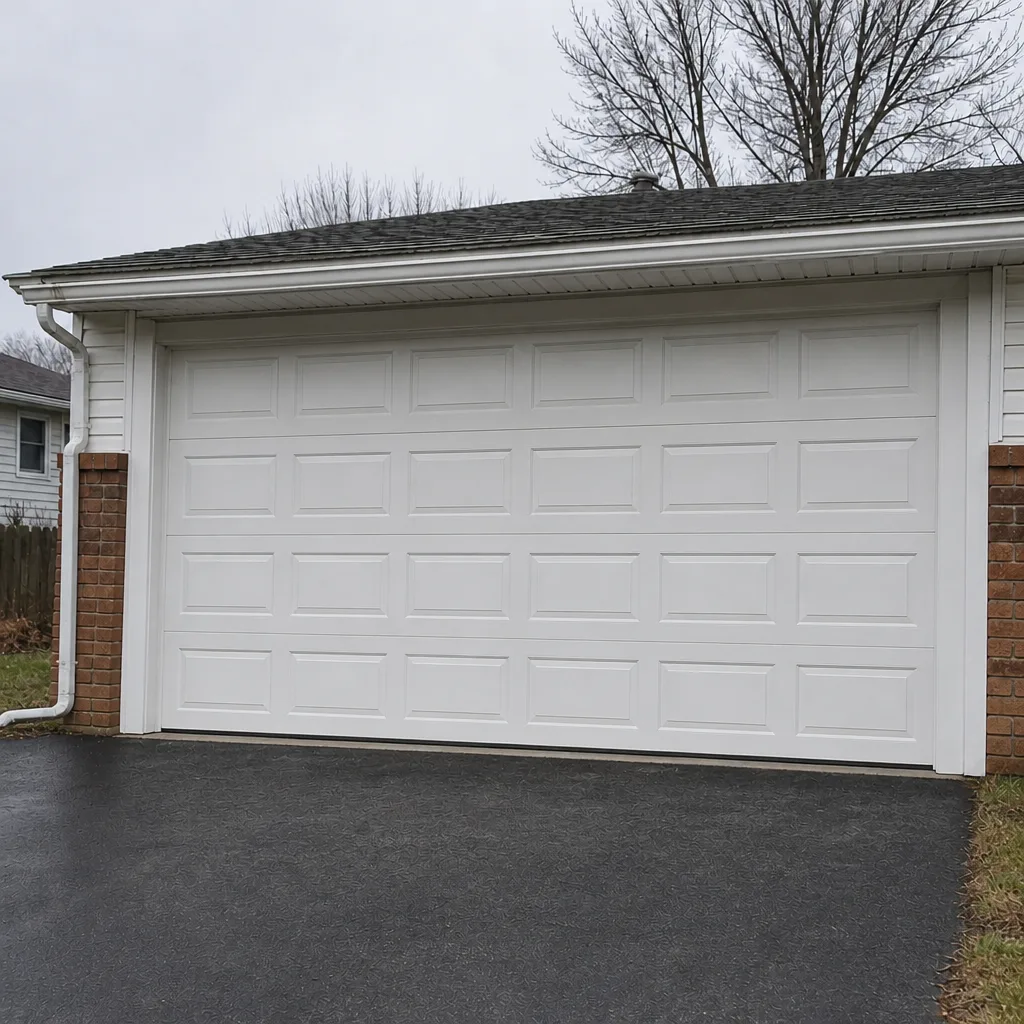 After
Frequently Asked Questions
Plan on four checkpoints a year tied to the seasons, plus a 60-second monthly balance test. The seasonal tasks are tightening hardware and checking seals before winter, lubricating after the spring thaw, checking the opener in summer, and a full balance and safety test in fall. Heavier use means you shouldn’t skip any of them.
Springs last by cycles, not years – typically about 10,000 cycles. A single-car household running around 1,500 cycles a year gets years out of a spring, while a busy two-car family running 3,000 to 4,000 cycles a year may need replacement in two to three years. Count your household’s daily trips to estimate where you stand.
Yes, for hinges, rollers, and pivot points – use a white lithium or purpose-made garage door lubricant. Keep grease off the tracks entirely, and never spray or touch the springs or cables, which are under extreme tension. If you’re unsure what your hardware needs, have a technician check it.
A door that reverses unexpectedly usually has a safety-sensor or balance problem. The safety reverse feature is doing its job – it senses an obstruction or resistance and reverses. Test the safety reverse with an object in the path; if it triggers without an obvious cause, check the door’s balance and the sensors, and call a professional if it persists.
Do the heavy tasks before winter and after the spring thaw. Cold Connecticut weather stresses seals and hardware, so a pre-winter tightening and seal check is the most valuable single visit. The spring lubrication window comes next because winter leaves grit and dry parts behind.
Yes. A new door still needs a balance check and lubrication schedule, and the first tightening after installation matters because hardware settles as the door cycles. Genie, Clopay, Amarr, and Wayne Dalton systems all benefit from the same four-season routine regardless of age. Call (877) 492-2037 if you want a baseline inspection.
The Bottom Line
Garage door maintenance isn’t a once-a-year checkbox – it’s a schedule built around cycle counts and Connecticut’s four seasons. Know your household’s daily cycles, run the 60-second monthly balance test, lubricate the right parts with the right products (not WD-40), and hit the four seasonal checkpoints before and after winter. Springs fail on cycles, not birthdays, so a busy Middletown household needs more attention than a quiet one. Do the homeowner-friendly tasks yourself, and call a pro for balance issues, springs, tracks, and anything that binds. Bramley Garage Door Repair offers free estimates in Middletown – call (877) 492-2037 for a free estimate.
Written by the team at Bramley Garage Door Repair.