Last updated November 22, 2026
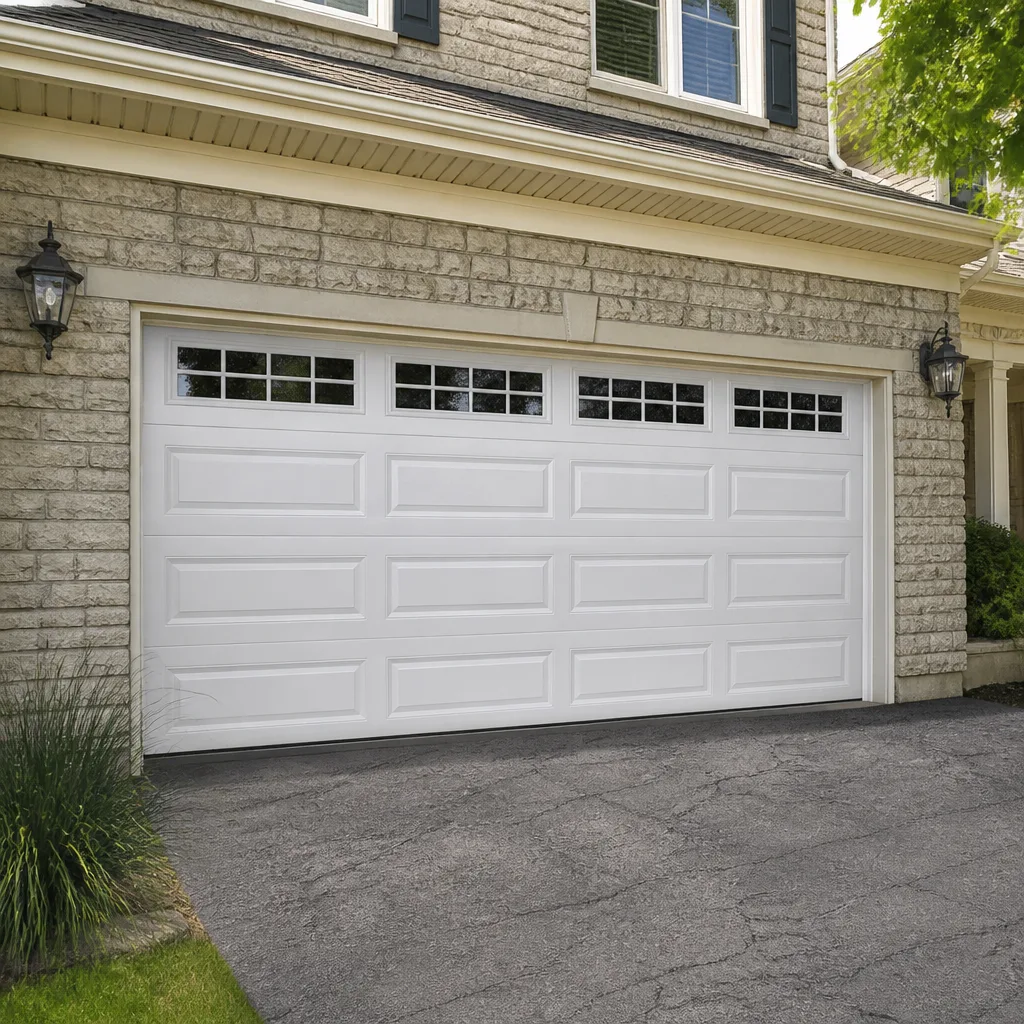 Raised-panel steel
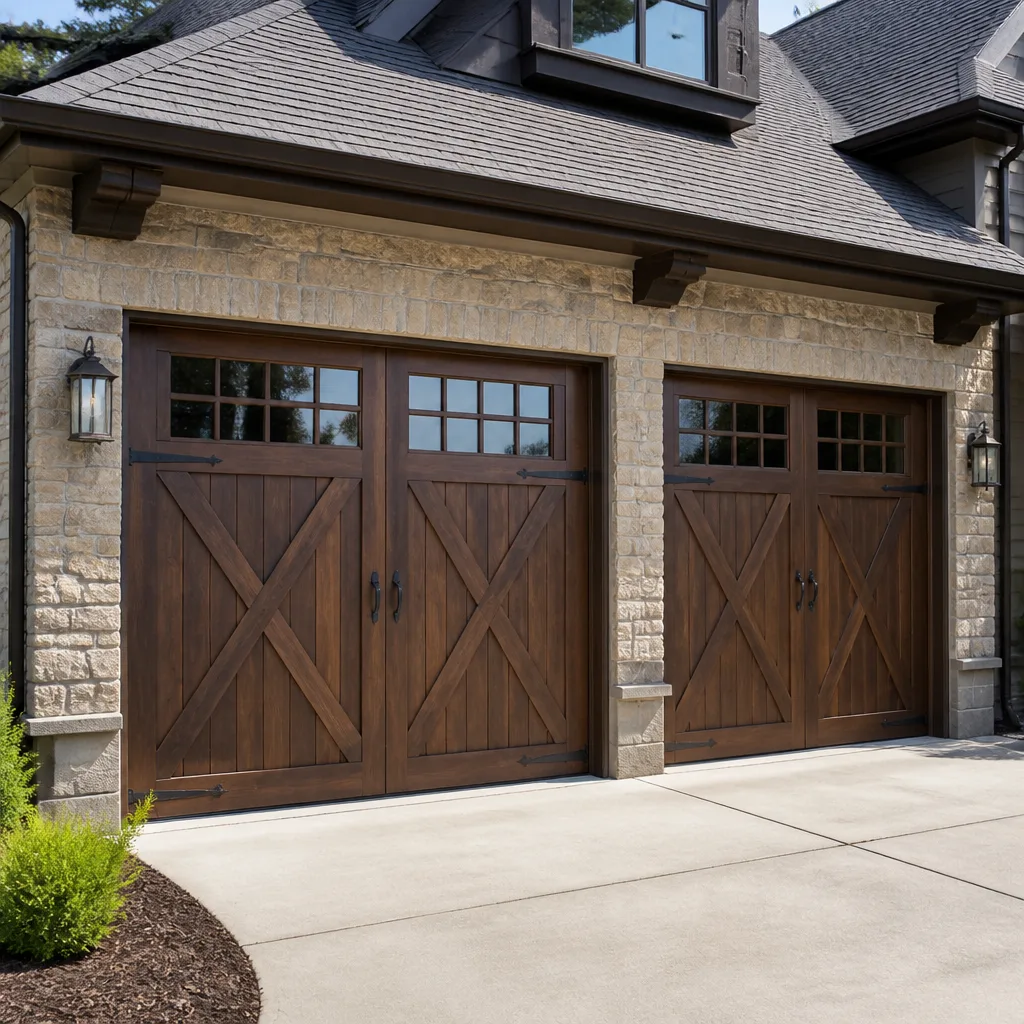 Carriage house
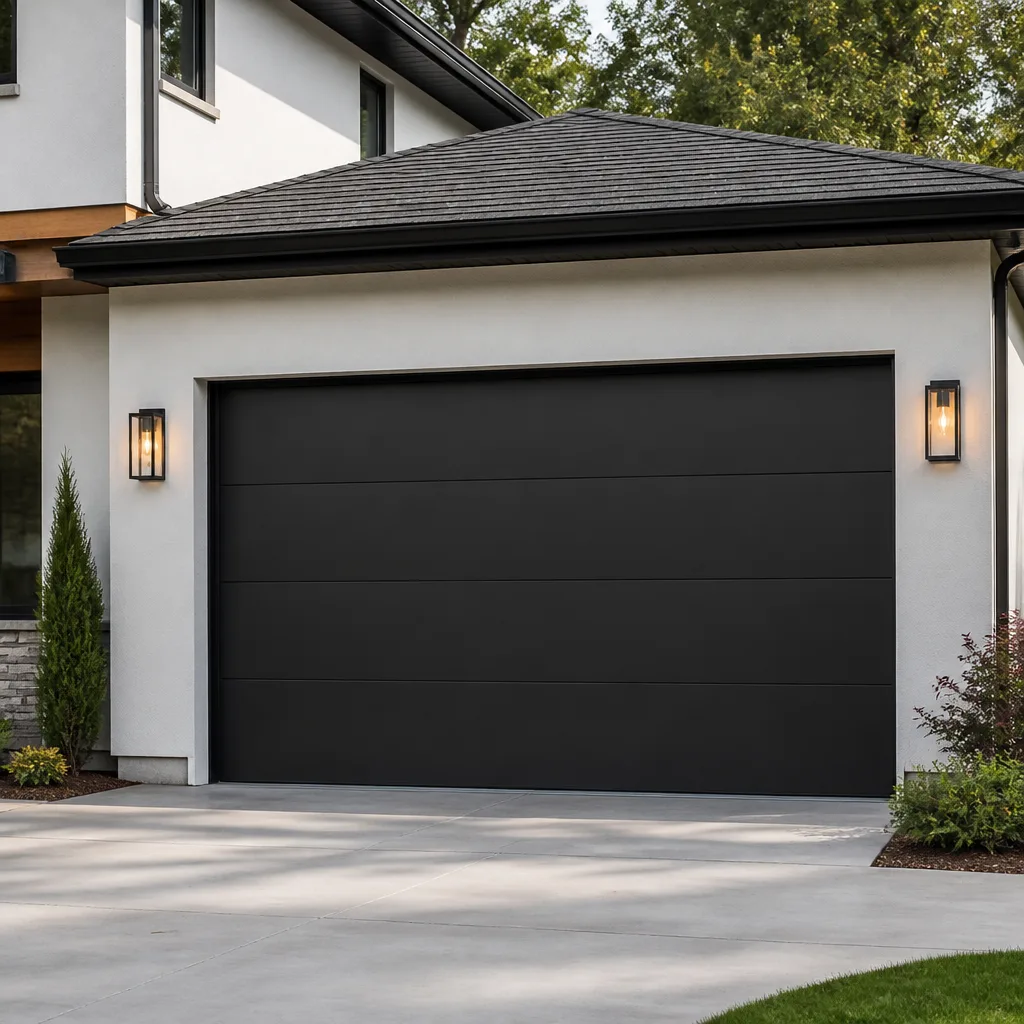 Modern flush
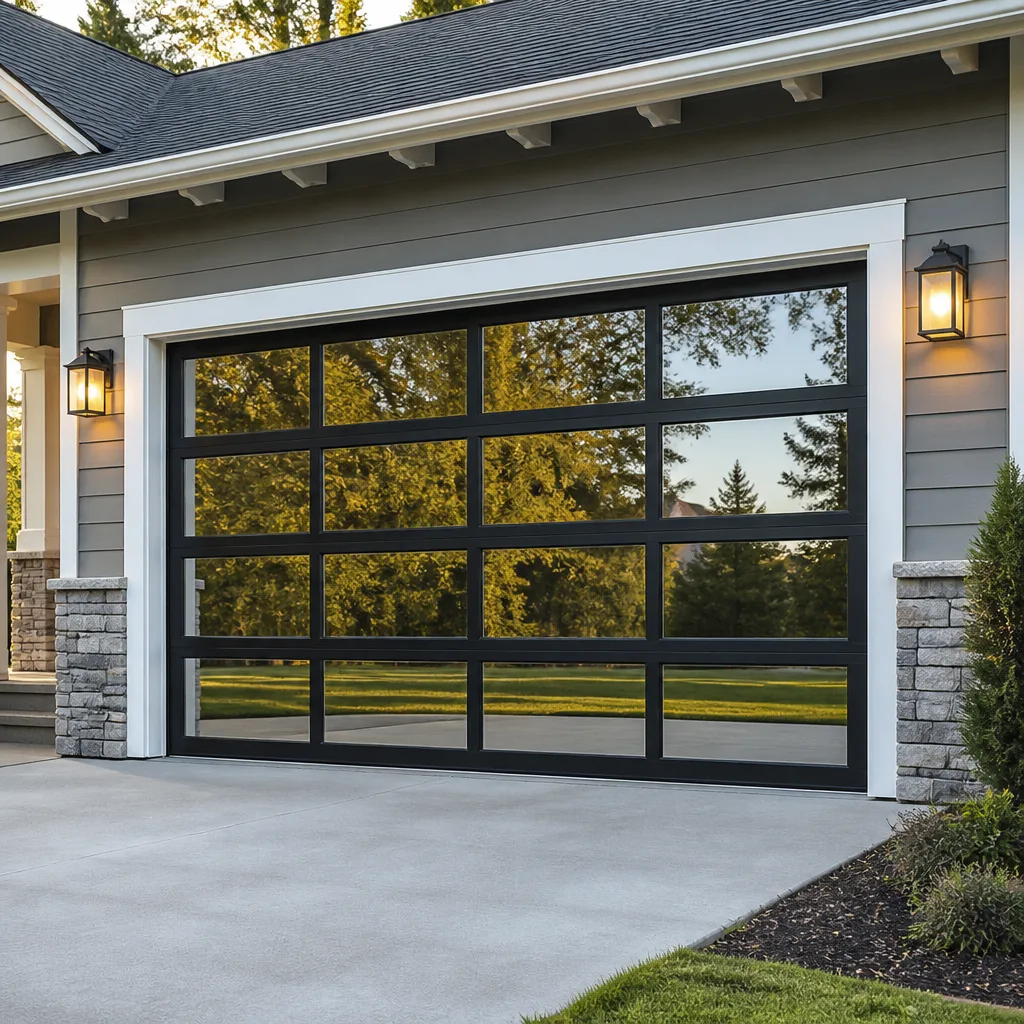 Full-view glass
 LiftMaster openers
 Chamberlain openers
Full 25-point door and opener safety check with every visit - springs, cables, rollers, tracks, and your LiftMaster or Chamberlain opener included
You get a price before we start. It does not change when the pro arrives.
Get your free estimateSeasonal Garage Door Care for Middletown: Year-Round Homeowner’s Guide
Winter gets all the attention. Homeowners in Middletown brace for the cold, worry about frozen doors, then relax once spring arrives. But if you track when garage doors actually fail around here, the trouble clusters in two places: late October and early April. Those are the transition weeks when the temperature swings hardest, and a door that sat stable all summer suddenly fights its own hardware. The season-by-season advice most guides offer treats winter, spring, summer and fall as four copies of the same checklist. They aren’t. Each season in the Connecticut River Valley loads a different part of the door system, and each one calls for a different response. What follows is a year of care organized around the failures that actually happen here, not a generic to-do list.
Quick Answer
Seasonal garage door care in Middletown comes down to matching your maintenance to the stress each season puts on the door. Fall is for track alignment and hardware tightening before cold locks everything in place. Winter is about keeping the door from freezing to its seal and recognizing when a cold-stressed spring is about to fail. Spring is the inspection season for springs, cables and rollers after winter’s wear. Summer is when humidity works on wood components and expansion gaps matter. Do the right task in the right season and you avoid most of the repairs that catch homeowners off guard.
Styles & brands we work with
- Raised-panel steel
- Carriage house
- Modern flush
- Full-view glass
- LiftMaster openers
- Chamberlain openers
Table of Contents
- Why Seasonal Care Looks Different in Middletown
- Fall: The Track Alignment Window
- Winter: Frozen Seals vs. Failing Springs
- Spring: The Post-Winter Inspection
- Summer: Humidity, Wood and Expansion
- The One Task Each Season That Seems Minor Until It Isn’t
- Common Mistakes to Avoid
- When to Call a Professional
Why Seasonal Care Looks Different in Middletown
Middletown sits in the Connecticut River Valley, and that geography shapes how a garage door ages through the year. Valley weather swings. A week in the forties can follow a week in the teens, then flip back. Metal expands and contracts with every swing, and a door is a large metal assembly bolted to a wooden frame that moves to a different rhythm. The result is that the door’s moving parts loosen, shift and wear faster in the transition months than in the dead of one season.
That’s the counterintuitive part. Deep winter is hard on a door, but it’s also stable. The cold sets in and stays. Late autumn and early spring are the violent stretches, because temperatures can climb thirty degrees in a day and drop back the next night. A metal track that fits snugly at 65 degrees doesn’t fit the same way at 20 degrees. Multiply that by a hundred cycles a season and you understand why so many failures show up right at the edges of winter.
The housing stock matters too. Middletown has everything from older homes near the river with wooden garage components to newer construction with steel doors and smart openers. A wooden door and a steel door respond to the same season in completely different ways. Wood swells with humidity in summer and dries in winter. Steel moves with temperature almost immediately. Knowing which kind of door you have tells you which season is your risk season.
We work on the door you already have, whether it’s a newer steel model or an older wooden one, which means we see how each season treats each type of hardware. Our technicians have up to 11 years of experience across the most common residential brands: LiftMaster, Chamberlain, Genie, Clopay, Amarr, Wayne Dalton, Craftsman and Raynor. Garage doors are all we do, so the seasonal patterns below aren’t theory. They’re what we fix, season after season, in Middletown and the surrounding valley towns.
Fall: The Track Alignment Window
If you do one thing to your door before winter, do it in October. Fall is when thermal contraction starts pulling metal tracks out of true, and a track that’s off by a fraction of an inch in October will be off by a lot more by January. The misalignment usually shows up first as a “slow door” – it still opens and closes, but it drags, hesitates, or sounds like it’s working harder than it used to. Homeowners often blame the opener. Most of the time it’s the track. This is the season to get garage door repair handled on the tracks and hardware before the cold spends months reinforcing whatever’s out of line.
Here’s how to think about fall care in order:
- Check the tracks for alignment. With the door closed, look at the vertical track on each side. It should run straight and parallel to the door edge. A visible bow, or a gap that changes from top to bottom, means the track has shifted and needs adjustment.
- Tighten the track brackets and hardware. Cold weather loosens bolts because the metal they hold contracts differently than the bolts themselves. A quick pass with a wrench on the track brackets, hinges and roller brackets keeps things snug before winter.
- Look at the gap along the bottom seal. A seal that fits in warm weather can pull away as the door frames cool. Adjust now so ice doesn’t have a place to grip.
- Test the door’s balance by hand. Disconnect the opener (pull the release cord with the door closed) and lift the door partway. It should stay put. If it falls or rises on its own, the springs are out of balance and need attention.
- Clear and lubricate. Wipe the tracks clean and apply a garage-door lubricant to hinges, rollers and the spring (not the track surface). Clean moving parts wear more slowly through winter.
That slow-door feeling in late October is the door telling you it’s out of alignment while you can still fix it cheaply. Wait, and the winter cold locks the misalignment in place. By the time it complains loudly enough to force the issue, you may have worn rollers and a stretched opener drive to deal with on top of it. Handle the alignment while the temperature is still cooperative. As for garage door opener repair, if you’ve aligned and tightened the tracks and the door still struggles, the issue is in the opener, and it’s worth diagnosing before winter.
Winter: Frozen Seals vs. Failing Springs
Winter garage door problems come in two flavors, and they could not be more different. The first is a nuisance: a door frozen to its bottom seal. The second is dangerous: a spring that snaps in the cold. Learning to tell them apart, and knowing how to prevent both, is the whole of winter care.
The frozen seal (nuisance)
When meltwater runs under the door and refreezes overnight, the rubber seal bonds to the concrete. The opener strains, the door may crack open an inch and stop, and you’re standing in the cold wondering if the motor died. It didn’t. The seal is stuck. Prevention is simple:
- Keep the concrete apron in front of the door clear of pooled water and snow.
- Check that the bottom seal actually contacts the floor evenly. A seal with a gap lets water in, and water is what freezes.
- Apply a thin coat of silicone spray or a similar release agent to the bottom seal so ice has a harder time gripping. Never use grease; it collects grit and makes things worse.
- If the door is already frozen, don’t force the opener. Free the seal by hand with warm water along the edge, then clear the water so it doesn’t refreeze.
The cold-stressed spring (dangerous)
Springs are under constant tension, and cold metal is more brittle than warm metal. That combination is why more springs fail in deep cold than at any other time. A spring that’s been running near the end of its life all autumn is the one most likely to let go on the coldest morning of the year. The most useful winter task is recognizing the warning signs before a failure. Look for a gap in a torsion spring, a stretched extension spring, or a door that suddenly feels much heavier than it used to. If you spot any of these, stop operating the door and call for garage door spring repair. A snapped spring is not a repair to attempt yourself. The stored tension in a garage door spring can cause serious injury, which is why spring work belongs to someone trained for it. We treat spring repair as a named specialty precisely because it’s the most safety-critical component in the system, and it’s the repair most often mishandled by generalists.
If a door fails on a Saturday and you’re stuck, call us. We can book you for Sunday. If the failure is a broken spring, a door off its track, or an opener that won’t respond at all, that’s the kind of job our Bramley Garage Door Repair team handles as a core service, not an afterthought.
Spring: The Post-Winter Inspection
Spring is inspection season. The door just spent four months being flexed by cold and contraction, and now the temperature is climbing back the other way. This is the window to check the three components that take the most winter abuse – springs, cables and rollers – before summer’s humidity adds its own stress. The task that matters most is a close look at wear indicators, and knowing what “worn” looks like saves you from a mid-summer failure.
What to look at, and what worn looks like
- Torsion springs: Look for a visible gap in the coil, a spring that has stretched noticeably, or rust pitting along the wire. Any of these means the spring is near the end of its life and should be replaced before it fails.
- Extension springs: Check that the springs still have their safety cables running through them. Look for stretched coils that no longer sit tight, and for worn or failed mounting hardware at the ends.
- Cables: Run your eyes down each cable. Fraying, kinks, or rust spots where the cable passes through a drum or bracket are signs of wear. A cable that’s frayed anywhere should be replaced, not patched.
- Rollers: Rollers should spin freely and look round. A roller with a flat spot, a cracked wheel, or one that wobbles in its bracket needs replacement. Worn rollers put extra strain on the opener and make the door noisy.
- Hinges and brackets: Check for loose screws, rust or bent metal. Tighten what’s loose and note what’s bent.
The springtime inspection isn’t about fixing everything at once. It’s about catching the parts that winter left weakened before summer heat and humidity compound the problem. A roller that’s flat in April is a roller that’s seized by July. A spring that’s stretched in April is a spring that fails in the first cold snap next autumn. Inspect in spring, replace what’s worn, and you’re set up for a quieter rest of the year. If anything on this list looks beyond a simple tightening, this is the time to have it looked at properly, which builds naturally into garage door repair.
Summer: Humidity, Wood and Expansion
Summer is the season that gets ignored, and it’s the one that quietly damages wooden garage door components. Middletown’s summers are humid, and wood absorbs that moisture. A wooden door, frame or jamb swells in summer and shrinks in winter, and that movement is normal up to a point. The trick is telling the difference between healthy expansion and genuine warping, because they look similar and demand completely different responses.
Healthy expansion vs. real warping
A door that expands in summer should do so evenly. Wooden panels stay aligned with their neighbors, the door still closes flush against the seal, and the expansion gaps that a carpenter left in the frame are still doing their job. What you want to see:
- Expansion gaps that stay open. Good carpentry leaves a small gap between door panels or between the door and frame so the wood has room to move. Those gaps should be visible and even in summer.
- Panels that move together. The door should still sit flat and square. Even swelling on both sides is normal.
- A seal that still seals. Even with summer expansion, the bottom seal should contact the floor along its whole length.
Real warping looks different. One panel bows while its neighbors stay put. The door binds on one side and not the other. A gap that should be even becomes a wedge. The bottom seal pulls away on one edge while it’s tight on the other. When you see that, the door isn’t just moving with the season – it’s genuinely out of shape, and it won’t correct itself when the weather dries. That’s when a wooden door needs a professional look. Steel doors aren’t immune either. They expand with heat, and a steel door that binds on hot afternoons and frees up by evening is telling you its tracks or hinges need adjustment. Either way, garage door repair is the answer, and summer is the easy time to schedule it.
Summer is also the season for opener maintenance on smart-home units. If your LiftMaster or Chamberlain opener has been doing extra work because the door is binding, the opener picks up that strain. That’s a good reason to keep the door running freely, which takes the pressure off the motor. For more on that, our garage door opener repair service covers the full range of drive systems.
The One Task Each Season That Seems Minor Until It Isn’t
Every season has a task that looks like busywork right up until it turns into a real repair. Here’s the short version for each, so you know where to spend your attention.
- Fall: tightening the track brackets. It’s a five-minute wrench job most people skip. Left alone, a loose bracket lets the track shift a little more every cold night, and by January the misalignment has worn the rollers and the opener is straining. A small tightening in fall prevents a track-and-roller repair by winter.
- Winter: the silicone coat on the bottom seal. It feels like an optional extra. It’s the difference between a door you open smoothly on a cold morning and one you have to free from the ice with a bucket of warm water, straining the opener each time you force it.
- Spring: checking the rollers. Rollers wear quietly, and nobody thinks about them until the door is loud or the opener overheats. Replacing a flat roller in spring is cheap. Replacing one that seized and chewed up its track is not, and that’s before the garage door opener repair you may need if the motor has been fighting a dragging door all summer.
- Summer: keeping the expansion gaps clear. Homeowners sometimes caulk the gaps to “seal” the door and stop drafts. That traps the wood’s movement, and the wood warps against the caulk. Clear, even gaps let wood breathe. Caulked gaps force the movement somewhere structural.
These four tasks share a pattern. Each is small, each is easy to skip, and each prevents a larger repair that costs dramatically more than the task itself. The seasons don’t fail you loudly. They wear the door down in predictable, affordable increments, and the homeowner who handles the increments spends far less over the life of the door than the one who fixes whatever breaks.
Common Mistakes to Avoid
- Treating all four seasons the same. A single checklist run four times a year misses the point. Fall needs track adjustment, winter needs seal protection, spring needs inspection, summer needs attention to wood. Generic maintenance skips the specific failures each season actually causes in Middletown.
- Forcing a frozen door with the opener. When the door is stuck to its seal, the opener will strain and sometimes give up. Forcing it can burn out the motor or strip the drive. Free the seal by hand first.
- Blaming the opener for a track problem. A door that hesitates or drags is usually misaligned in its tracks. Replacing the opener won’t fix a door that’s binding in its tracks. Diagnose the door first.
- Trying to adjust or replace springs yourself. Springs are the most dangerous part of any garage door, and the ones under tension can hurt you badly if released improperly. Leave spring work to someone trained for it, and don’t let a general handyman take it on either.
- Caulking the expansion gaps in summer. Wood needs room to move. Caulking the gaps traps the movement and forces the wood to warp against the seal. Keep the gaps open and even.
- Ignoring a slow door in October. The drag is a symptom. Left alone, it gets worse through winter and takes the rollers and opener with it. Handle it while it’s small.
- Skipping the spring inspection because the door “still works.” A door with a stretched or weakened spring can still open and close, right up until it doesn’t. Inspection catches problems before they become failures.
When to Call a Professional
Some jobs are fine for a weekend afternoon with a wrench. Others need a trained technician, and knowing the difference keeps you safe and saves money. Call a professional when a spring has visible damage or the door suddenly feels much heavier than usual, when a cable is frayed or kinked anywhere along its length, when the door is off track or binding on one side, when the opener won’t respond at all, or when the door has genuinely warped and no longer seals. These are the situations where a diagnosis matters more than a guess, and where forcing the issue can turn a small repair into a large one. Bramley Garage Door Repair offers free estimates in Middletown – call (877) 492-2037. The price is quoted and agreed before any work starts, so you know the number before anyone touches the door. Our technicians have up to 11 years of experience and work across the major brands, including LiftMaster, Chamberlain, Genie, Clopay, Amarr, Wayne Dalton, Craftsman and Raynor.
See the difference
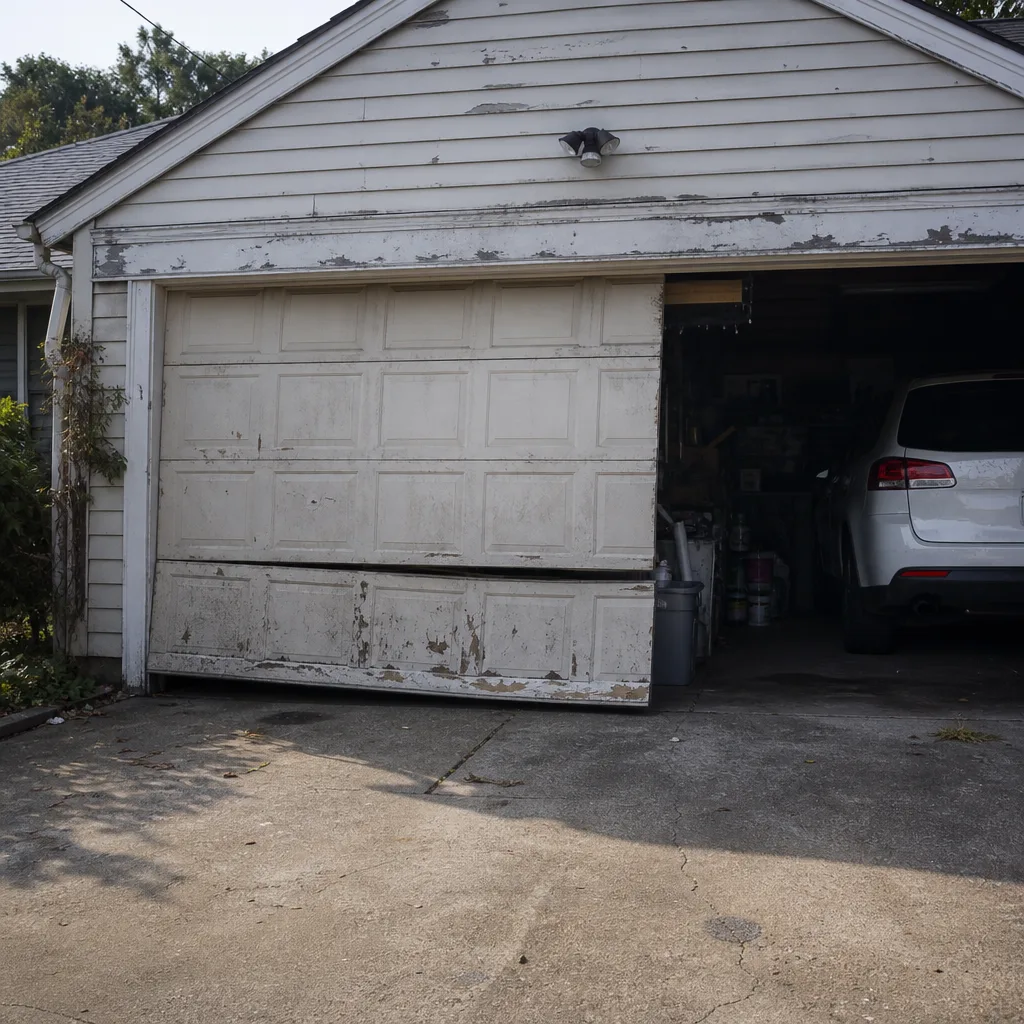 Before
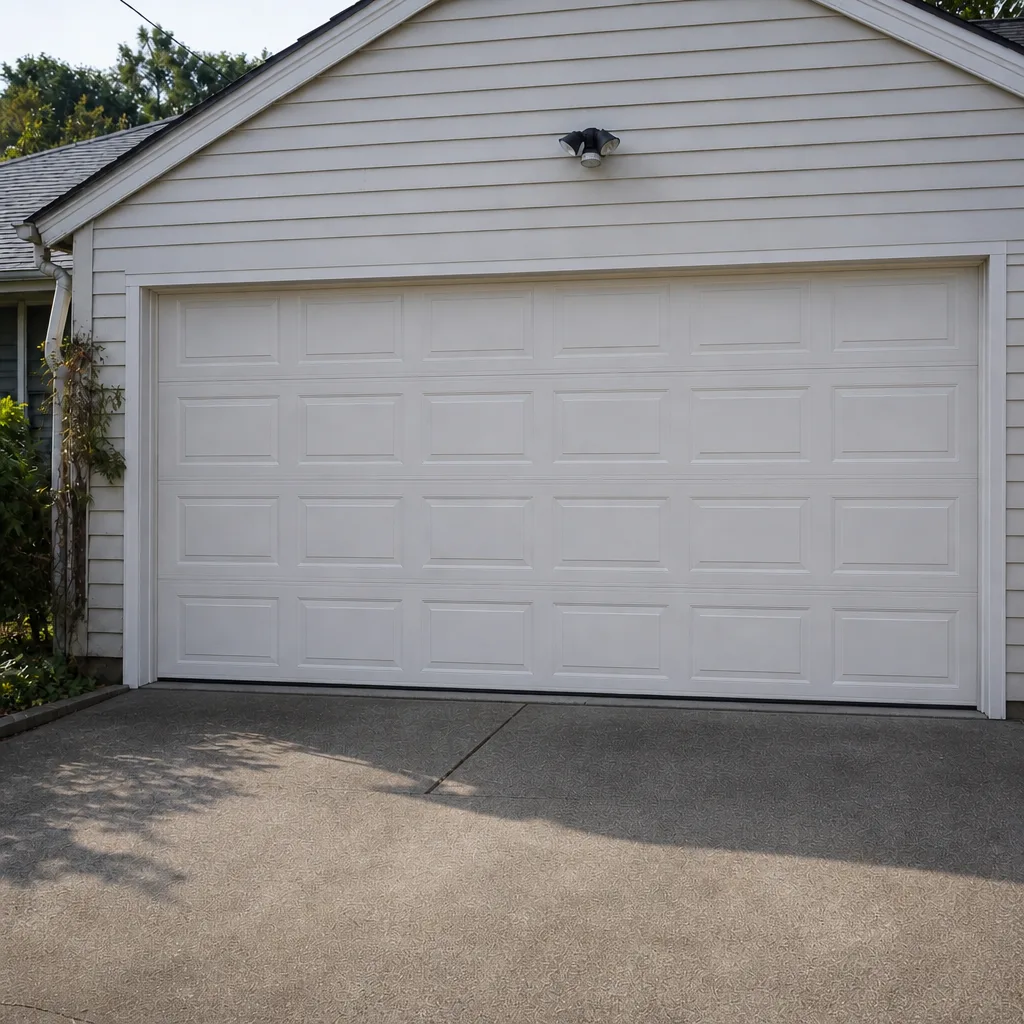 After
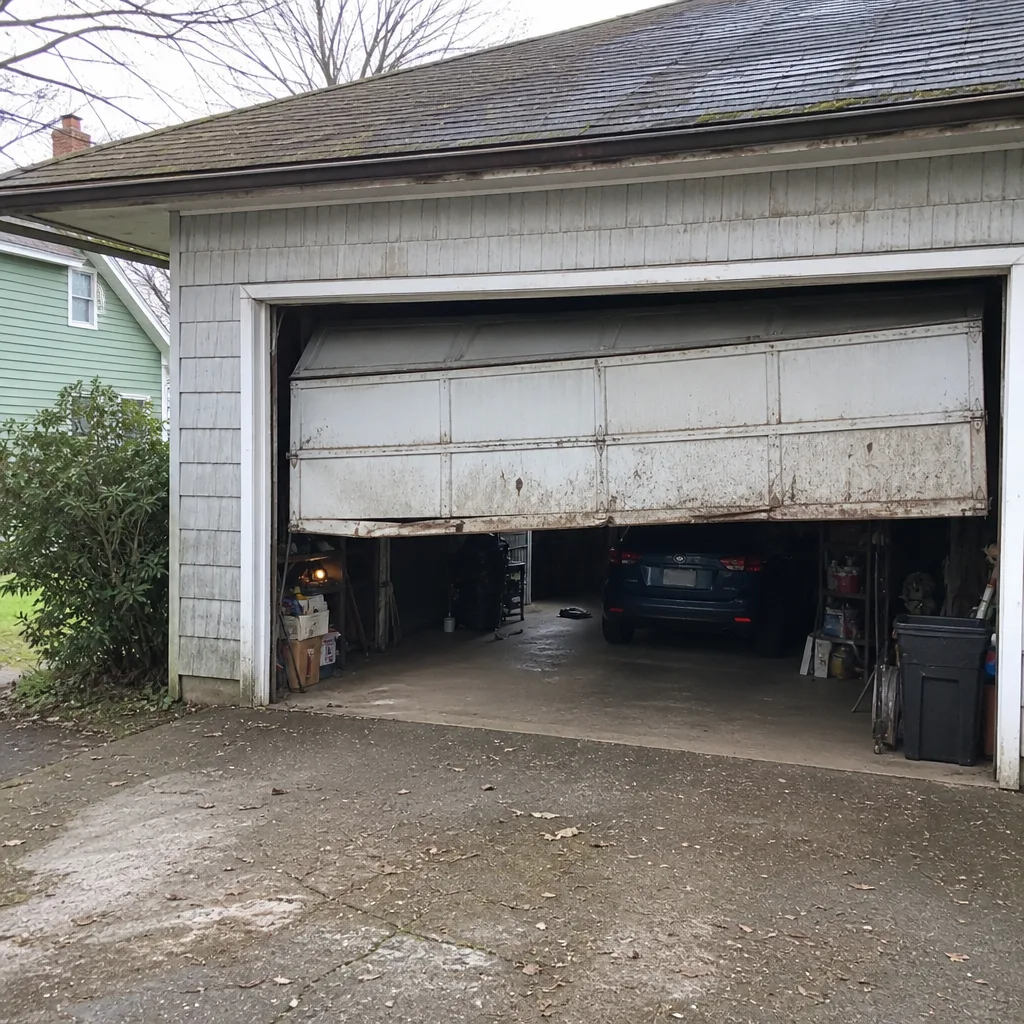 Before
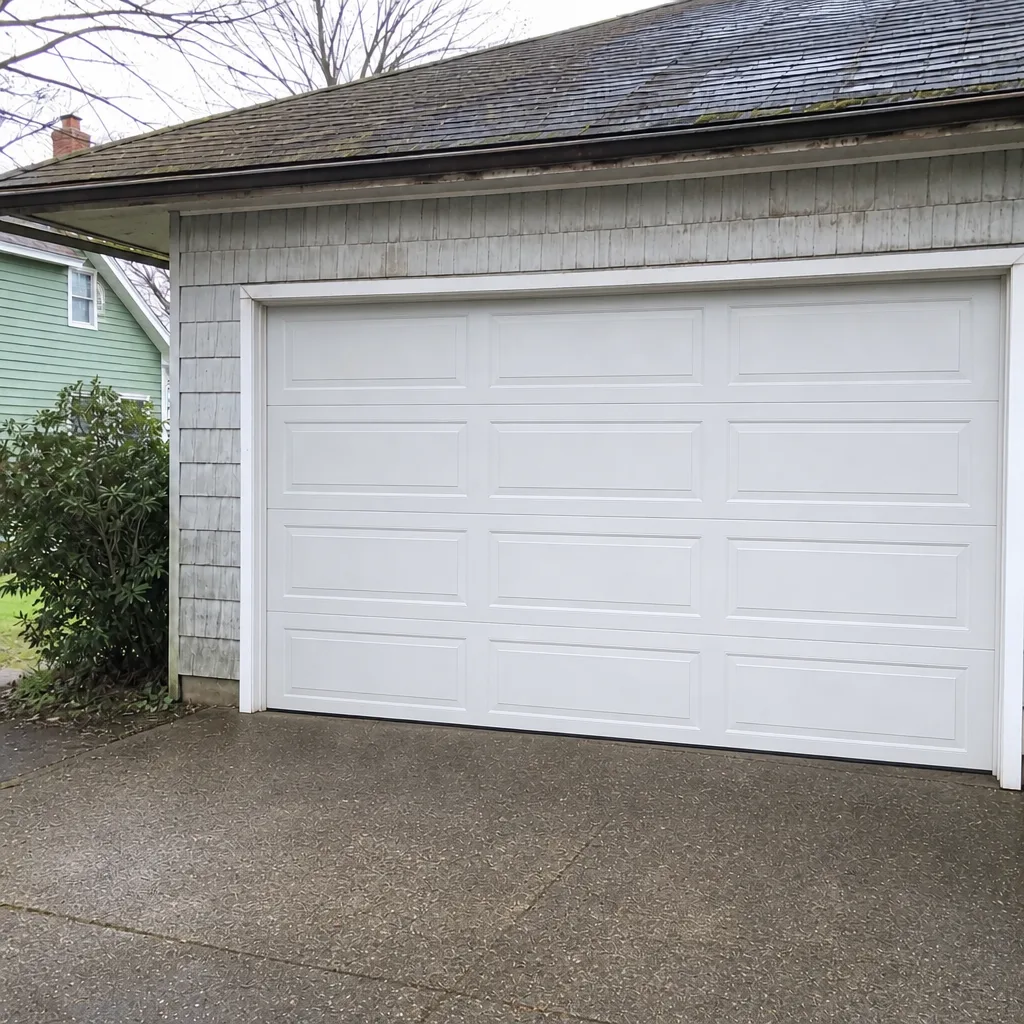 After
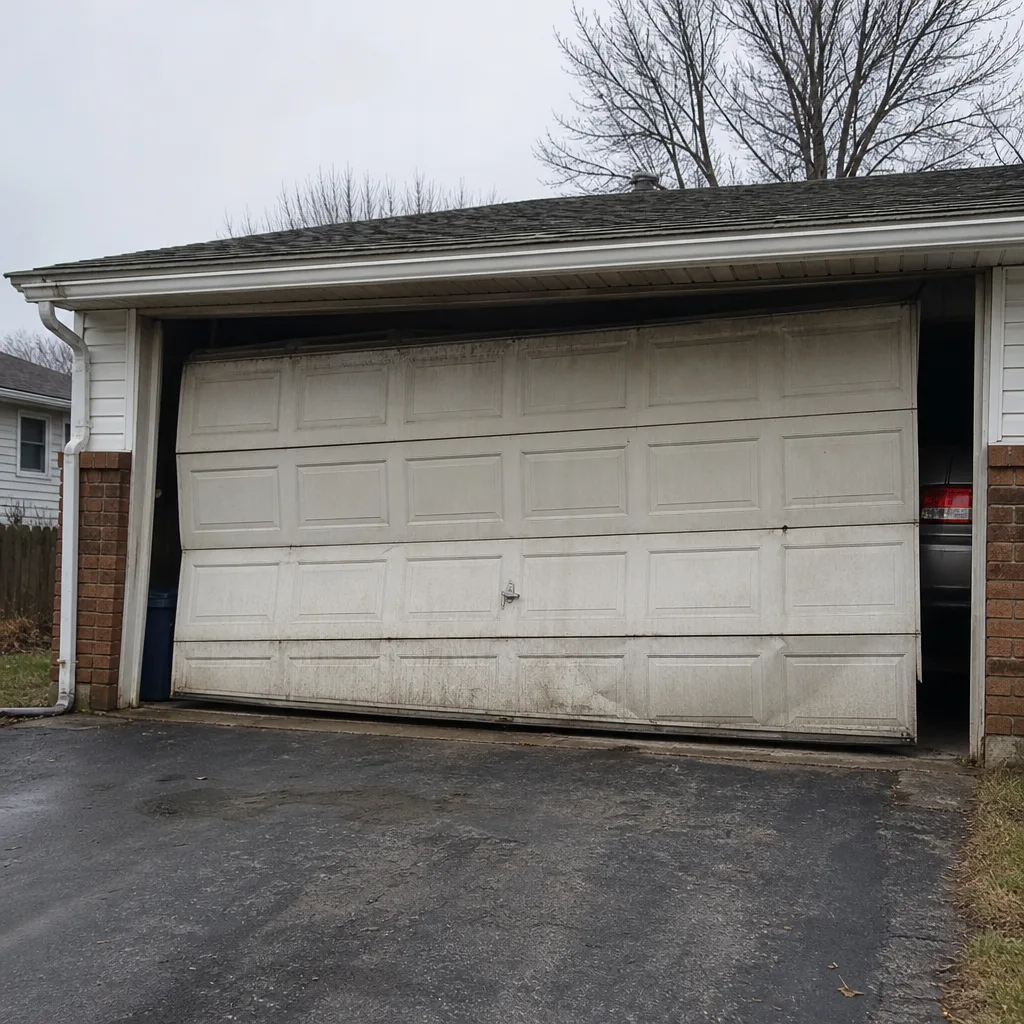 Before
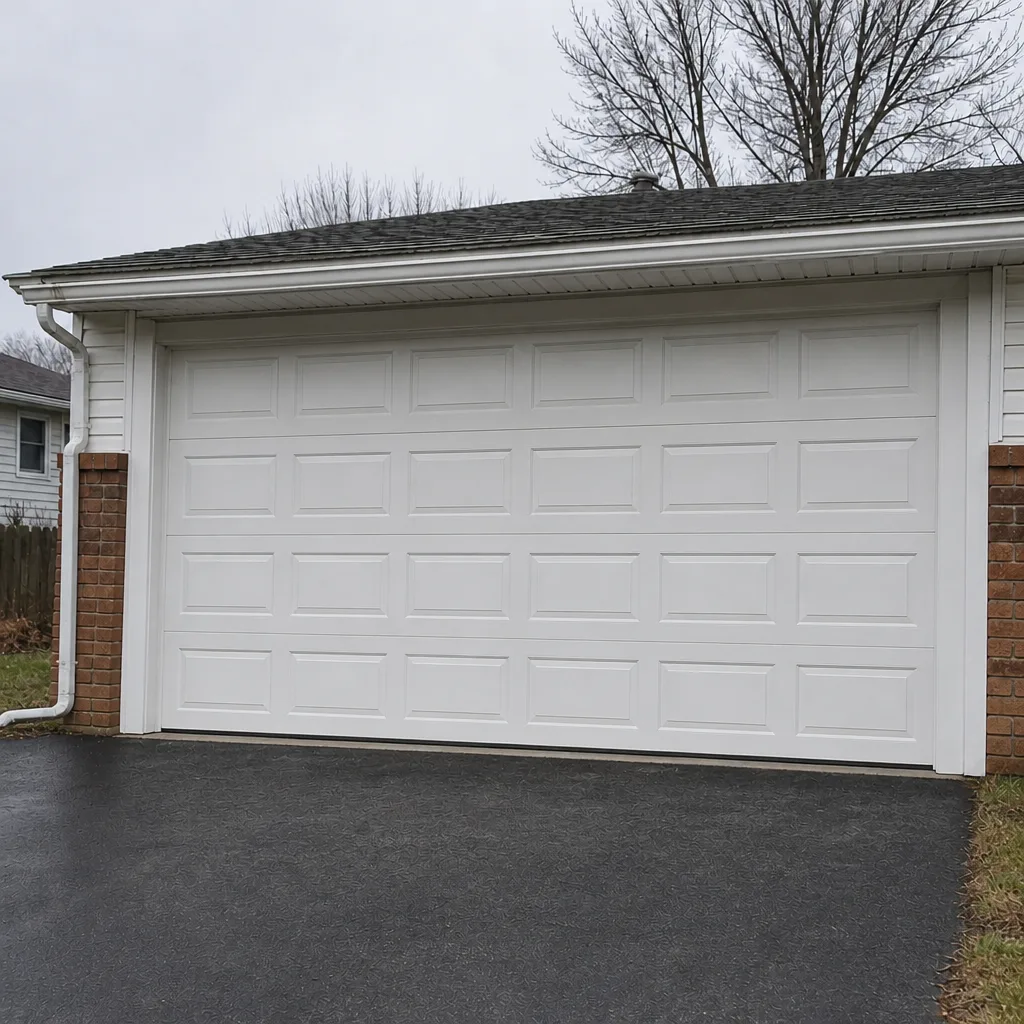 After
Frequently Asked Questions
Middletown needs a season-specific routine: fall track alignment and hardware tightening, winter bottom-seal protection against freezing, a spring inspection of springs, cables and rollers after winter, and summer attention to humidity on wooden components. The Connecticut River Valley’s temperature swings make the transition months the highest-risk window, so fall and early spring deserve the most attention.
Those are the transition weeks when temperature swings are widest, and wide swings make metal tracks and hardware move the most. A track that fits snugly in warm weather doesn’t fit the same way in cold, and repeated contraction causes misalignment and loosening that shows up as a dragging or slow door. Deep winter is cold but stable; the swings at the edges of winter are what cause failures.
Keep water and snow off the concrete in front of the door, confirm the bottom seal contacts the floor evenly, and apply a thin coat of silicone spray to the seal so ice has a harder time gripping. Never use grease. If the door is already frozen, free it by hand with warm water along the seal rather than forcing the opener.
No. Garage door springs are under heavy tension and can cause serious injury if released improperly, and cold weather makes them more brittle. A spring with a visible gap, stretched coils or rust pitting should be replaced by a trained technician. That’s why we treat spring repair as a specialty and don’t hand it to generalists.
Healthy expansion is even: panels move together, the door still seals, and the expansion gaps stay visible and uniform. Real warping is uneven: one panel bows, the door binds on one side, or the seal pulls away on one edge. Even expansion corrects itself when the air dries; warping doesn’t, and it needs a professional look.
For urgent failures like a broken spring, a door off its track, or an opener that won’t respond, call us and we’ll get you a real response path rather than a voicemail. We’re closed on Saturday but can book you for Sunday. For routine seasonal care, we’ll schedule a free estimate. Call (877) 492-2037 for an exact quote.
The Bottom Line
Seasonal garage door care in Middletown isn’t a single checklist run four times a year. Each season loads a different part of the door, and each calls for a different task. Fall is for catching track misalignment before the cold locks it in. Winter is for separating a frozen-seal nuisance from a dangerous cold-stressed spring. Spring is for inspecting the wear winter left behind. Summer is for understanding how humidity moves wood and steel. Handle the small task each season asks for, know the warning signs of a serious problem, and call a professional when the job crosses into spring work or genuine damage. That’s how a garage door stays reliable year after year in the valley.
Written by the team at Bramley Garage Door Repair.